Matcha is getting more expensive because demand is growing faster than Japan’s tea fields. In May 2026 tencha, the raw material, cost almost twice as much as in 2025.Auction prices in euros, harvest and export figures, China’s role and what reaches the shelf.
Matcha is ground from tencha, a green tea made from shaded leaves. Japan has only a limited supply of this raw material. New bushes need around five years until their first harvest, and the number of tea farmers is falling. At the same time, the value of Japan’s tea exports doubled in 2025, driven by powdered tea.
The figures come from the agriculture ministry MAFF, from auctions, export statistics and the trade press. We converted yen at the ECB rate of 22 October 2026, where €1 equals 168.9 yen.
Auctions in 2026: tencha more expensive than ever
In Japan, the first auctions in spring show how a tea year is going. In 2026 they were well above the previous year almost everywhere. On 13 May, the agricultural cooperative’s tea centre in Joyo near Uji auctioned machine-picked tencha. The average was 13,972 yen per kilogram, around €83 (our conversion).
That was around 1.7 times the previous year’s record of 8,235 yen. A day later, traders in Kagoshima paid around 19,000 yen on average, around €112 (our conversion). That is around 1.8 times the previous year, and 27 tea factories supplied the auction, half as many again as in 2025.
| Date in 2026 | Place, tea | Average per kg | Converted | Comparison |
|---|---|---|---|---|
| 6 April | Kagoshima, first auction, sencha | 6,573 yen | around €39 | 60 % above previous year |
| 20 April | Shizuoka, sencha from Shizuoka | 9,019 yen | around €53 | second fall in a row |
| 24 April | Uji, sencha and gyokuro | 20,879 yen | around €124 | previous year 17,098 yen, around €101 |
| 13 May | Joyo near Uji, tencha | 13,972 yen | around €83 | around 1.7 times previous year’s record |
| 14 May | Kagoshima, tencha | around 19,000 yen | around €112 | around 1.8 times previous year |
In Uji, the tea centre expected its turnover for the season to double to around 10.4 billion yen. Around 90 per cent of the trade there is in tencha. In May, tea producers reported that their raw material costs were more than twice as high as in 2025.
Harvest and area: what the agriculture ministry counts
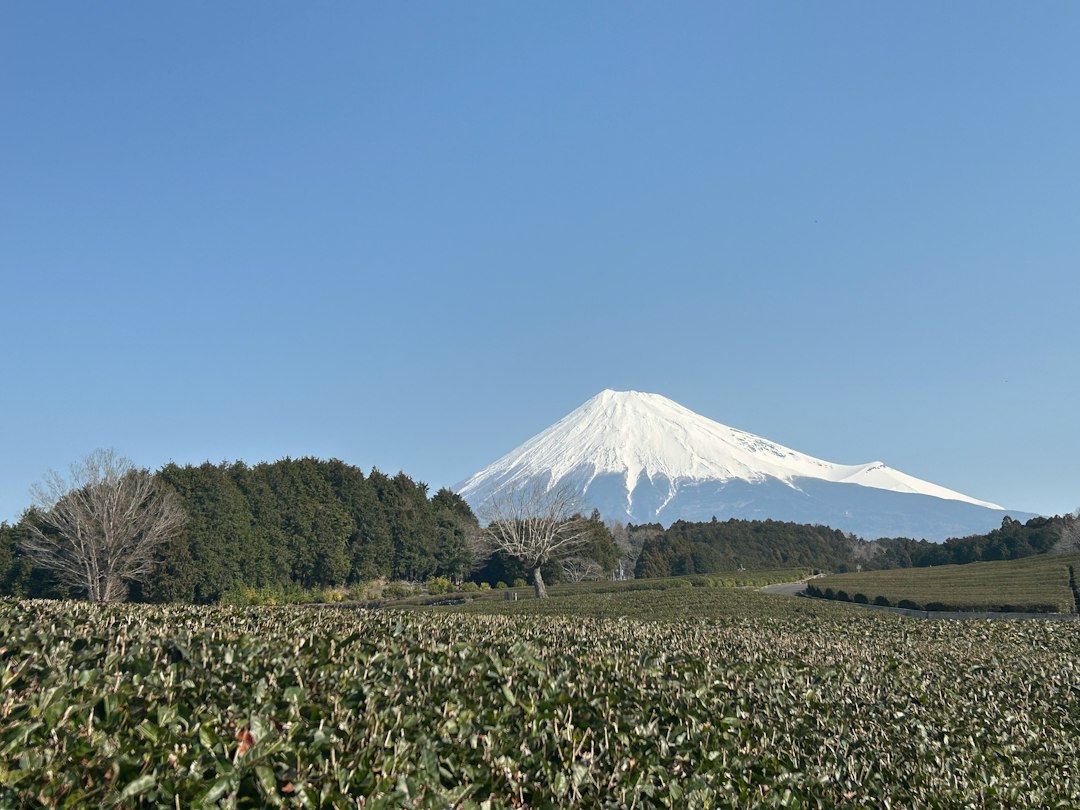
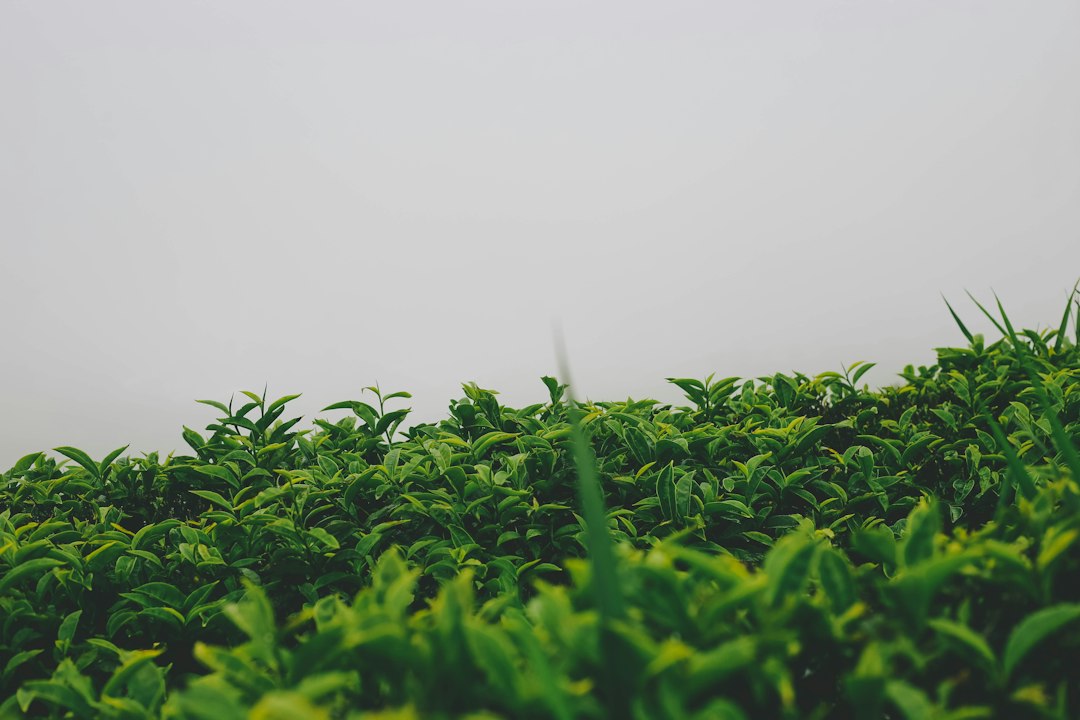
The official figures show a country with fewer tea fields. According to MAFF, Japan’s farmers grew tea on 33,400 hectares in 2025. The ministry says the area has been shrinking slowly for years. Even so, the harvest rose slightly in 2025, for the first time in four years.
Tencha is bucking the trend. According to the ministry’s situation report of July 2026, Japan produced around 3.2 times as much tencha in 2025 as in 2014. It made up 8.6 per cent of crude tea output. Kagoshima produces the most tencha, followed by Kyoto and Shizuoka.
| Figure (MAFF) | Value | As of |
|---|---|---|
| tea-growing area in Japan | 33,400 ha | 2025 |
| harvested area, main growing regions | 25,400 ha, 5 % less than 2024 | 2025, provisional |
| crude tea, Japan total | 75,100 t | 2025, provisional |
| crude tea, main growing regions | 68,000 t, 2 % more than 2024 | 2025, provisional |
| first harvest, five prefectures | 24,100 t, 21 % more than 2025 | 2026, as of 18 August 2026 |
| tencha share of crude tea | 8.6 % | 2025 |
| crude tea price, tencha | 8,562 yen/kg, around €51 | 2025 |
| crude tea price, sencha | 1,746 yen/kg, around €10 | 2025 |
The first harvest of 2026 was good. Even so, according to MAFF, the leaves traded for around double in Kagoshima and around 70 per cent more in Shizuoka. The ministry plans to publish the annual figures including the second harvest in February 2027.
Exports: powdered tea drives the record
The shortage is mainly caused by demand from abroad. According to the tea export association, Japan exported 12,612 tonnes of green tea in 2025. A report in the Yomiuri Shimbun newspaper says the volume exceeded 10,000 tonnes for the first time in around 70 years. The value rose to 72.1 billion yen, around €427 million (our conversion).
Powdered tea, the customs category that includes matcha, accounted for 69 per cent of the volume and 84 per cent of the value. Besides matcha, the category also covers other ground tea powder.
| Period | Green tea total | of which powdered tea | Value | Converted |
|---|---|---|---|---|
| 2024 | 8,798 t | 5,092 t | 36.4 bn yen | around €215 m |
| 2025 | 12,612 t | 8,718 t | 72.1 bn yen | around €427 m |
| January to May 2025 | 4,490 t | 2,835 t | 20.7 bn yen | around €122 m |
| January to May 2026 | 5,066 t | 3,703 t | 40.2 bn yen | around €238 m |
| January to June 2026 | not stated | not stated | 48.3 bn yen, 83.5 % above previous year | around €286 m |
Volume is growing more slowly than value. In 2025 a kilogram of exported powdered tea fetched 6,927 yen on average, around €41 (our conversion). From January to May 2026 it was 9,524 yen, around €56. The agriculture ministry mainly cites lattes and desserts in North America, Europe and South-East Asia as the reason.
Germany is one of the largest buyers. In 2025, 877 tonnes of green tea came to Germany from Japan, 618 tonnes of it powdered tea. From January to May 2026 the figure was already 537 tonnes, more than twice as much as in the same period of the previous year. The value was 4.27 billion yen, around €25 million (our conversion).
Sencha and bancha: what the tencha boom pushes aside
Tencha and sencha often grow in the same fields and are mostly the same cultivar, Yabukita. The farm decides whether to shade the bushes and harvest tencha. A cooperative in Shizuoka now harvests tencha on around 70 per cent of its 17 hectares, compared with under 10 per cent before. For this it invested around 200 million yen in machinery in 2025, around €1.2 million (our conversion).
Every field that is switched over is missing from sencha and simple bancha. In February 2026 a tea house in Kyoto published producer prices from the prefecture. There, tencha cost 2.6 times the previous year’s price in 2025, while gyokuro, sencha and bancha cost 1.3 to 1.8 times as much. According to the tea house, shaded bushes also often skip the second harvest so they can recover.
| Tea (Kyoto Prefecture) | Producer price 2025 | Converted |
|---|---|---|
| tencha | 14,141 yen/kg | around €84 |
| gyokuro | 8,447 yen/kg | around €50 |
| sencha | 4,482 yen/kg | around €27 |
| bancha | 1,225 yen/kg | around €7 |
How much the price of tencha rose in 2025 depends on the source. In June 2026 the Yomiuri Shimbun reported around six times as much. The Kyoto figures come to 2.6 times, and the ministry gives an annual average for all of Japan. Since March 2026 the Kyoto tea house has taken some large packs of hojicha and genmaicha out of its online shop. What hojicha is, is explained in hojicha: roasted green tea.
China is expanding: estimates instead of statistics
While Japan is reaching its limits, China is expanding its production. There are no official statistics for matcha there, and the figures are industry estimates. According to an article in the Tea & Coffee Trade Journal from June 2026, China produced around 12,000 tonnes of matcha in 2025. That would be around 70 per cent of the world total.
According to the article, the number of production lines rose from 120 to almost 600. Guizhou Province is planning over 13,000 hectares of tencha fields and processing of 8,000 tonnes a year. The article estimates Japan’s matcha production at around 4,000 tonnes.
The product is changing with the shortage too. Some producers skip the shading. Others grind sencha instead of tencha, known in the trade as moga-cha. The colour is a similar green, but it lacks umami. Why shade makes matcha mild is explained in matcha: bitter or mild.
What reaches the shelf: prices and labels
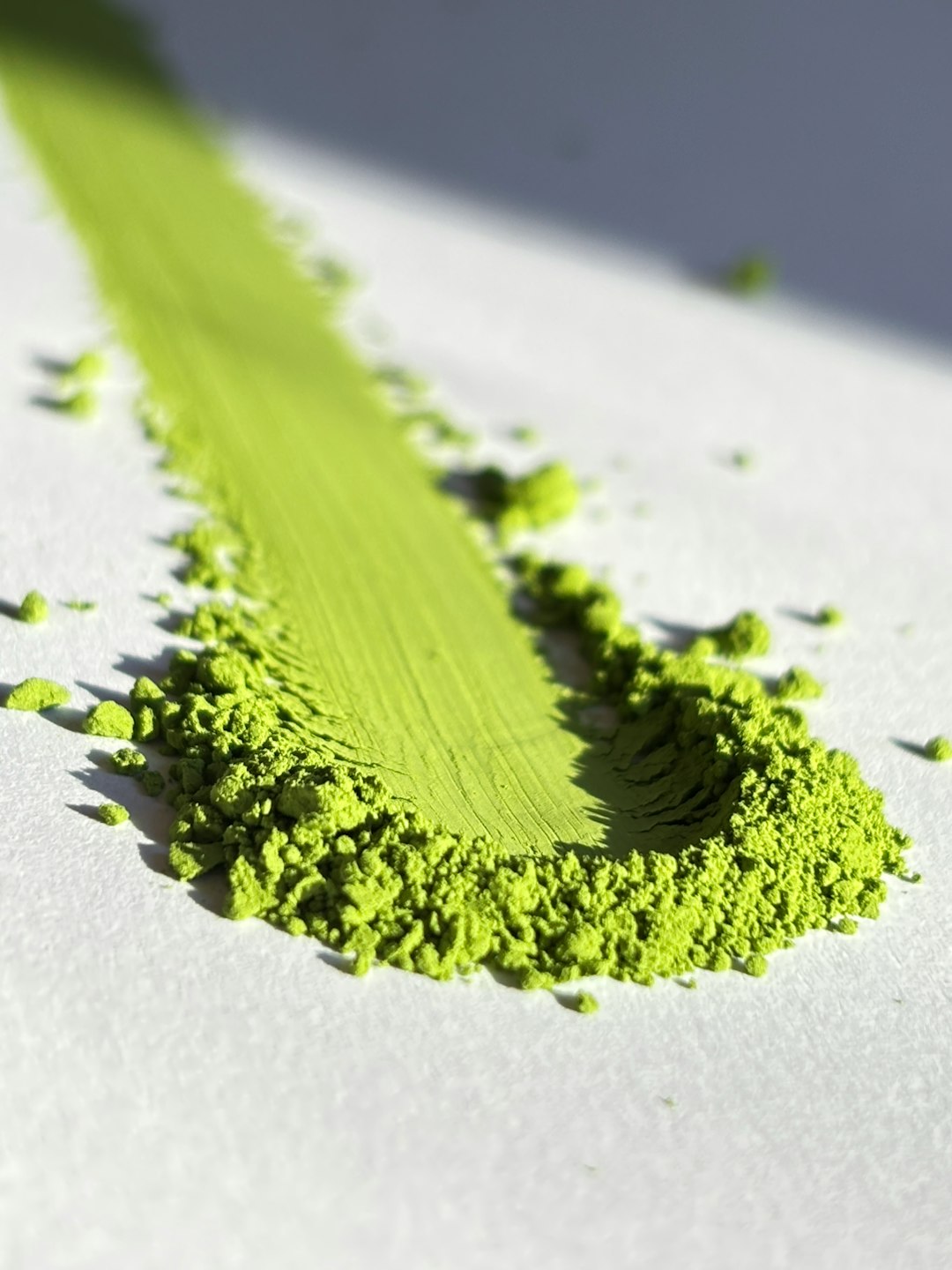
There are no official price statistics for matcha in German retail. A tea house in Kyoto offers a reference point. A 20 g tin there costs 1,400 to 5,000 yen, roughly €8 to €30 (our conversion). That is around €41 to €148 per 100 g.
How retail prices will develop is unclear. In February 2026 the Kyoto tea house still expected prices for 2026 to stay at the previous year’s level. The tencha auctions in May then came in well above that. In May, Japanese producers expected smaller packs or retail prices around 20 per cent higher.
You cannot rely much on the label here. According to the Verbraucherzentrale Bayern (Bavaria’s consumer advice centre), matcha is not a protected term under German food law. In many ready-made products it appears on the ingredients list at only around 1 per cent. Ceremonial and culinary grade are not official grades in Japan either. Details on region, harvest time and shading tell you more.
Differences are less noticeable in a milk drink than in pure matcha. For a matcha latte, simple powder is therefore often enough, as long as its origin is clearly stated.

The situation will stay tense as long as demand from abroad grows this fast. The good first harvest of 2026 did not bring prices down. Newly planted bushes only deliver their first harvest after around five years.
Last updated: 24 October 2026.
Sources
- Japanese Ministry of Agriculture, Forestry and Fisheries (MAFF): 令和7年産茶の摘採面積、生葉収穫量及び荒茶生産量(主産県), tea harvest 2025 (in Japanese), 20 February 2026.
- Japanese Ministry of Agriculture, Forestry and Fisheries (MAFF): 令和8年産一番茶の摘採面積、生葉収穫量及び荒茶生産量(主産県), first harvest 2026 (in Japanese), 18 August 2026.
- Japanese Ministry of Agriculture, Forestry and Fisheries (MAFF): 茶をめぐる情勢, tea situation report (in Japanese), July 2026.
- Japanese Ministry of Agriculture, Forestry and Fisheries (MAFF), based on the Ministry of Finance’s trade statistics: 2026年1‐6月 農林水産物・食品の輸出額, agricultural exports January to June 2026 (in Japanese), August 2026.
- Nihoncha Yushutsu Sokushin Kyogikai (Japan Tea Export Council): tea exports January to December 2025 (in Japanese), 2026.
- Nihoncha Yushutsu Sokushin Kyogikai (Japan Tea Export Council): tea exports January to May 2026 (in Japanese), 2026.
- Global Japanese Tea Association: Japanese Tea Report, April 2026, 30 April 2026.
- Global Japanese Tea Association: Japanese Tea Report, May 2026, 29 May 2026.
- Higuchi, A., The Yomiuri Shimbun, via Asia News Network: Matcha boom still simmering, but record-high exports bring Japanese tea farmers challenges, 2 June 2026.
- Walker, J., Tea & Coffee Trade Journal: Matcha & Sencha: supply shifts and what they mean for buyers, 17 June 2026.
- Ippodo Tea (retailer information): Important Notice: Industry Supply Shortages and Upcoming Bancha Restrictions, 19 February 2026.
- Ippodo Tea, product page: Ikuyo-no-mukashi 20g Box, accessed 24 October 2026.
- Ippodo Tea, product page: Ummon-no-mukashi 20g Box, accessed 24 October 2026.
- Hohmann, L., ZDFheute: Matcha: Warum Herkunft und Qualität des Tees oft unklar sind (in German), 13 September 2026.
- Ikkyu Tea, Bloise Aldo (retailer information): Ceremonial vs. Culinary Matcha: Why ‘Ceremonial Grade’ Isn’t a Japanese Classification, 5 November 2025.