

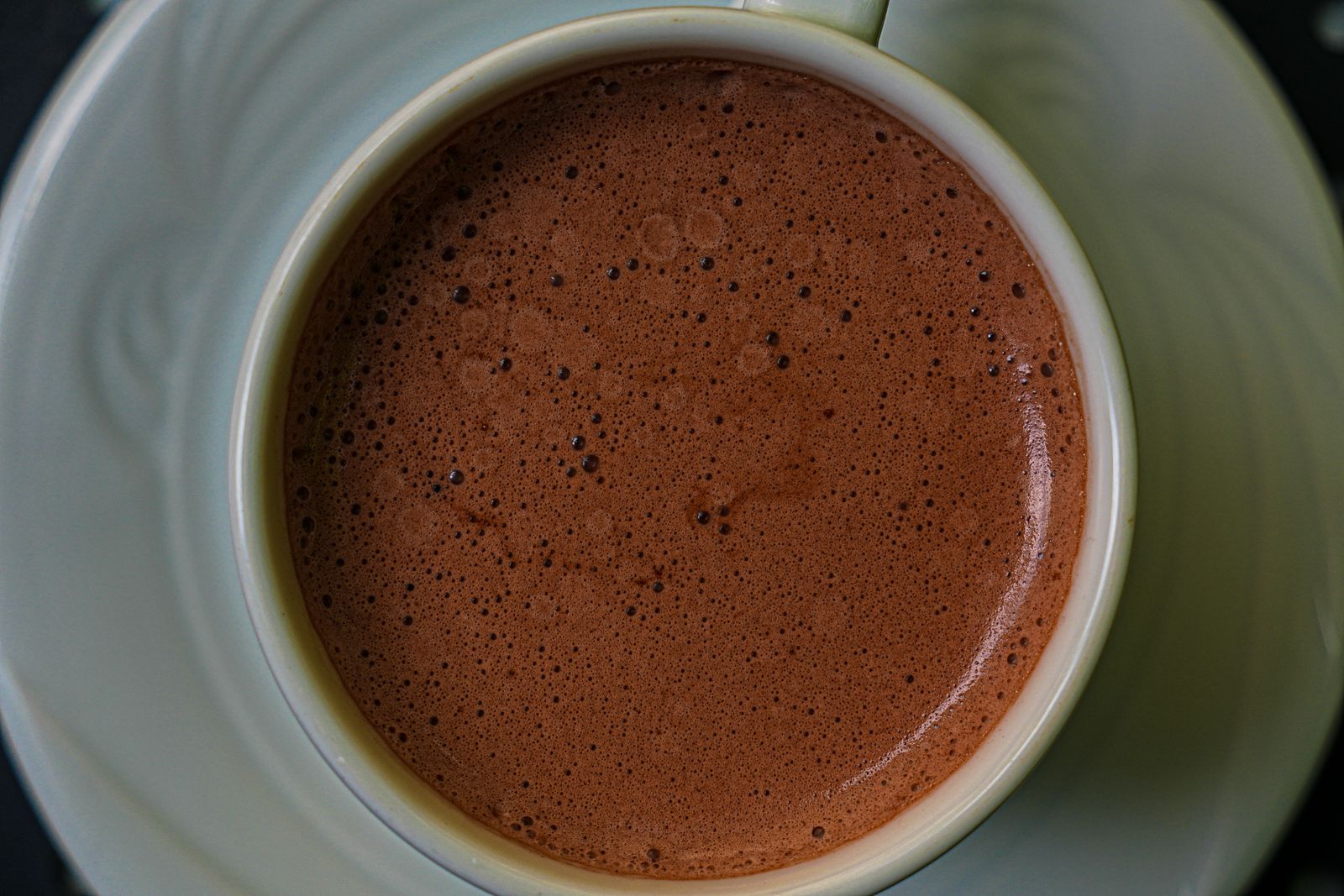
Titelbild – Photo: e. sunbol / Pexels
Parisian drinking chocolate is not milk with a chocolate flavour but liquid chocolate served in a small cup.The Parisian tradition, the difference from German cocoa and a recipe for two cups.
Under the arcades of the Rue de Rivoli
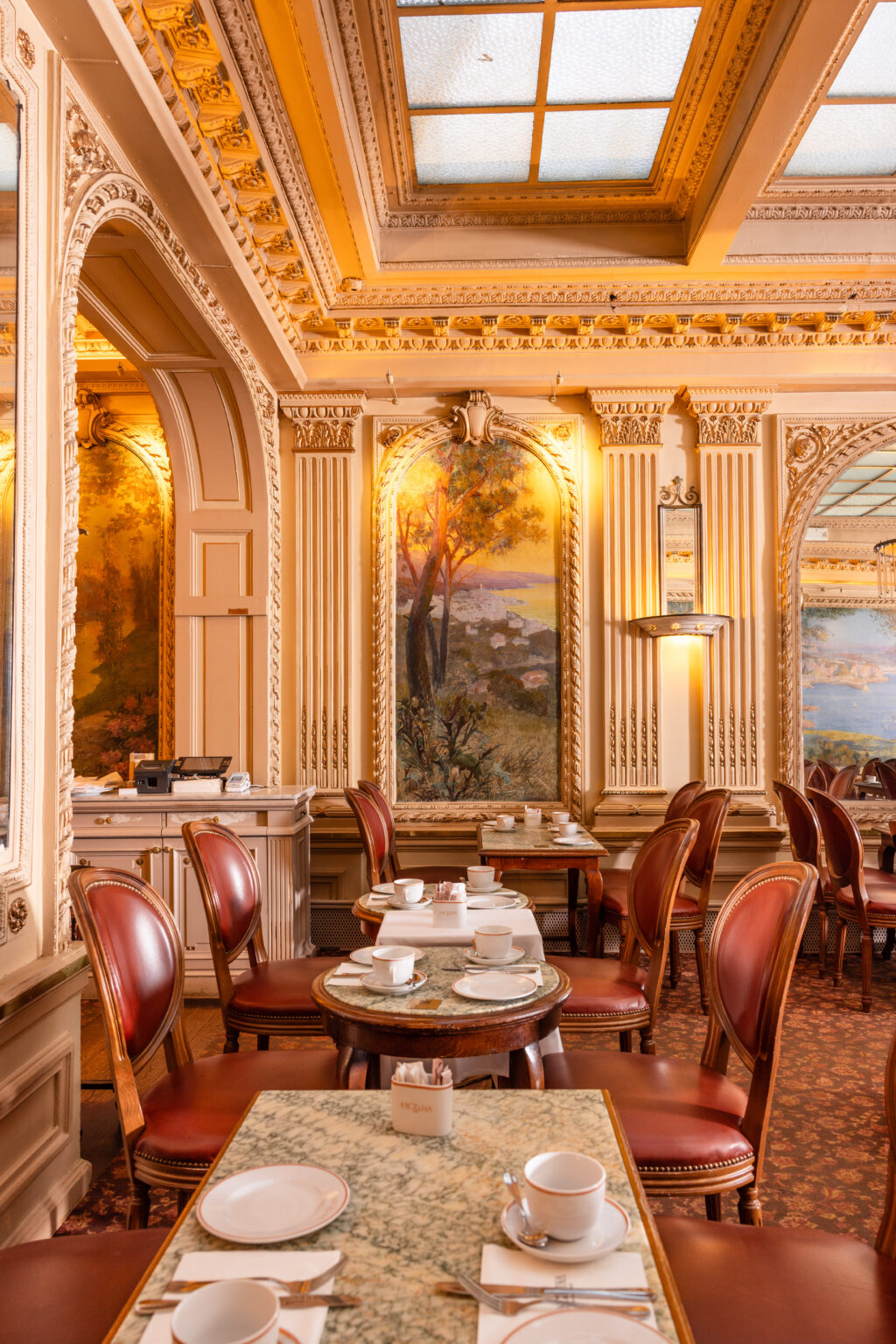
Opposite the Jardin des Tuileries, under the arcades at 226 Rue de Rivoli, is a salon de thé famous for one drink. Angelina was founded in 1903 by the Austrian pastry chef Anton Rumpelmayer, in the middle of the Belle Époque. Marcel Proust is said to have been a regular here, and Coco Chanel is said to have had her own table near the entrance.
The drink in question is the ‘Chocolat chaud L’Africain’, a drinking chocolate almost as thick as pudding. It combines three cocoas of African origin, including from Ghana and Côte d’Ivoire. It comes with a small bowl of unsweetened whipped cream, which you fold in yourself.
The house has only revealed the basics of how it is made. The milk is gently warmed to 40°C, cooled again and then quickly brought to 80°C without boiling. Only then is the chocolate added. The quantities remain a house secret.
A queen brings the cocoa
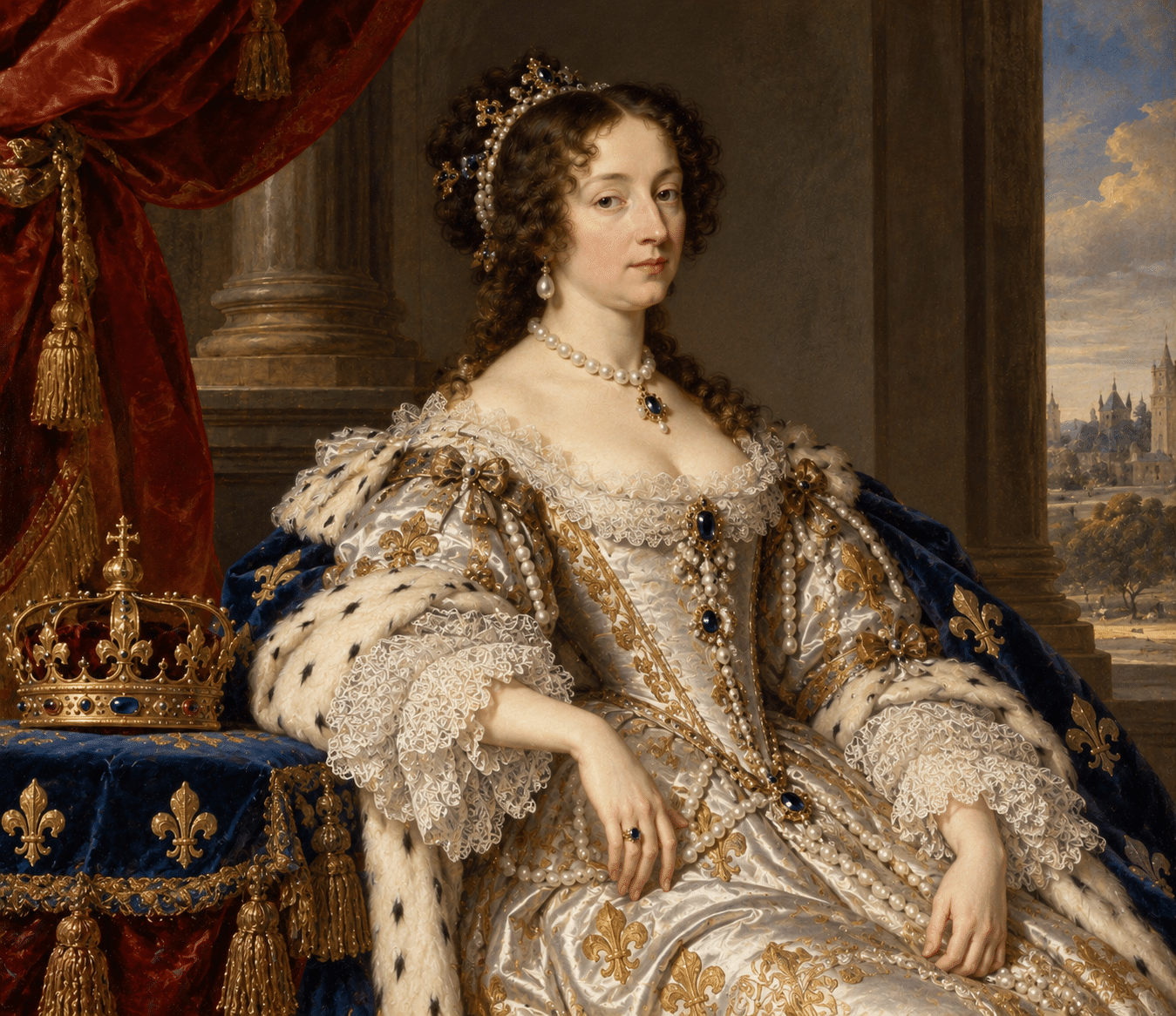
The Parisian love of drinking chocolate is older than any salon de thé. When Louis XIII married Anne of Austria in 1615, she brought hot chocolate to the French court. Maria Theresa, the wife of Louis XIV, was also known as a great lover of the drink.
On 28 May 1659, Louis XIV allowed David Chaillou, a valet in the queen’s household, to open the first chocolate shop in Paris. For almost 30 years, Chaillou had the sole right to prepare and sell chocolate drinks and sweets. At the time, chocolate was above all one thing: something to drink.
The oldest chocolate house in Paris builds on this. Sulpice Debauve, apothecary to Louis XVI at Versailles from 1779, founded Debauve & Gallais in 1800. According to house legend, he mixed a bitter medicine with cocoa and almond milk for Marie Antoinette. The queen named the small discs ‘Pistoles’. Debauve later supplied Napoleon and the kings Louis XVIII, Charles X and Louis-Philippe. Since 1819, the house has been on the Rue des Saints-Pères. Its shop was designed by the architects Percier and Fontaine and is now a listed building.
What Paris does differently
In German, the terms are blurred. Originally, ‘Trinkschokolade’ (drinking chocolate) meant a drink based on chocolate, and ‘Kakao’ (cocoa) one made from cocoa powder. The defatted cocoa powder that van Houten patented in 1828, and later instant products, blurred the line. In Germany, cocoa became mainly a children’s drink made with milk. Ready-made mixes often contain a lot of sugar and emulsifiers such as soya lecithin.
In Paris, by contrast, drinking chocolate starts with the bar: chopped dark chocolate melts in hot milk. Parisian chocolatiers work with around 200 g of chocolate per litre of milk. Popular recipes for ‘Parisian Hot Chocolate’ use 130 g to 500 ml, just under a third more.
What matters is what is missing. None of these recipes uses starch. The thickness comes only from the chocolate and from letting the mixture simmer gently for a short time. Starch is the traditional thickener for drinking chocolate in Spain, and egg yolk in Austria. In Paris, cream usually does not go into the pan: Parisian drinking chocolate is normally made with milk. The cream comes whipped and unsweetened, on top or on the side.
And water? That is not a budget recipe. The historical French recipes, for example by Menon and Brillat-Savarin, used water, and some Parisian chocolatiers still mix water and milk in equal parts today.
Our basics article Hot chocolate made with real chocolate: ratio, temperature and four recipes explains in detail how ratio, temperature and stirring technique work together. This article is about the Parisian way.
Two small cups, à l’ancienne
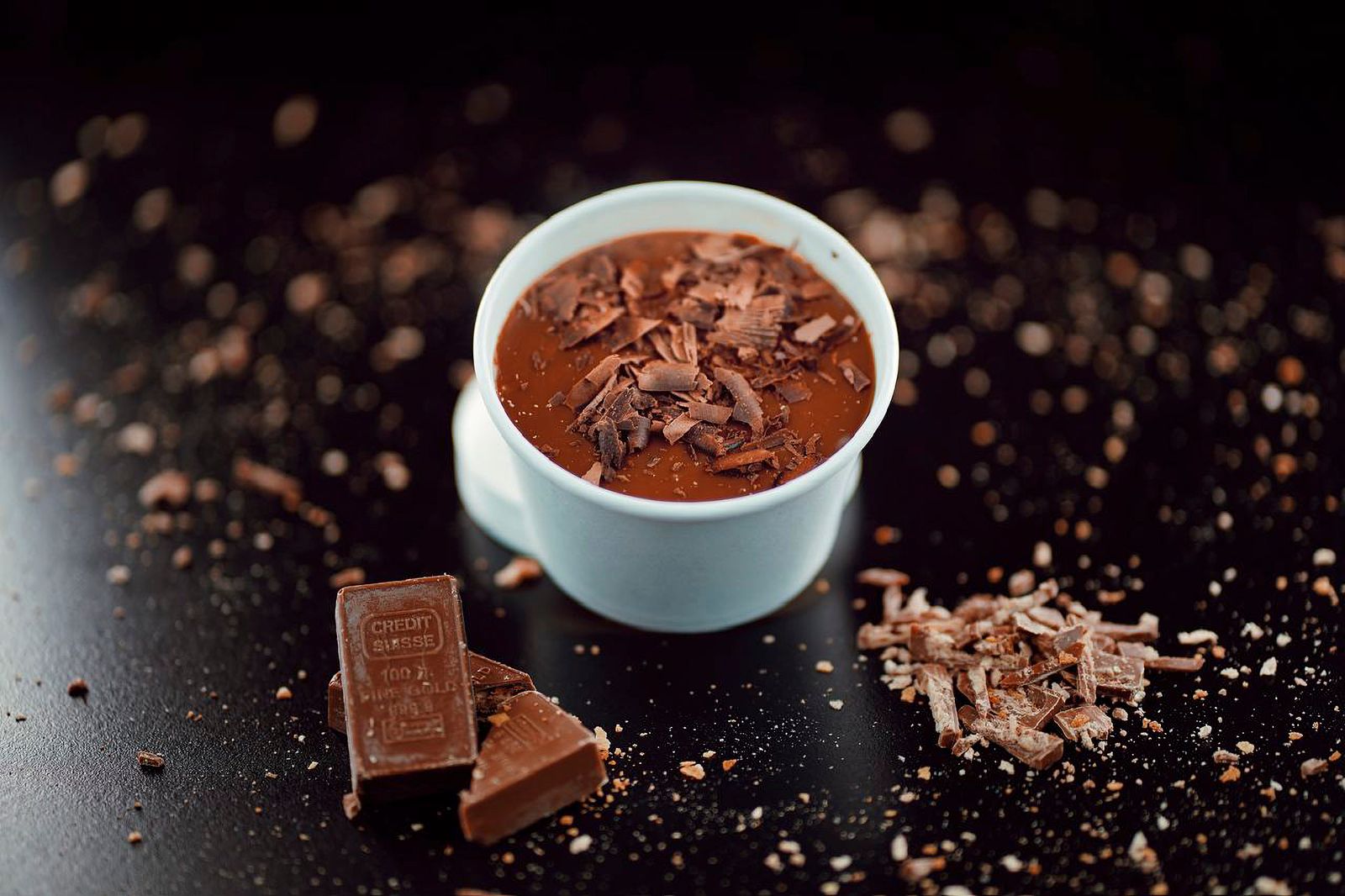
The following recipe follows the classic Parisian method, calculated for two cups. Plan on small cups: it is served in demitasse or small coffee cups. This is a chocolate you sip slowly.
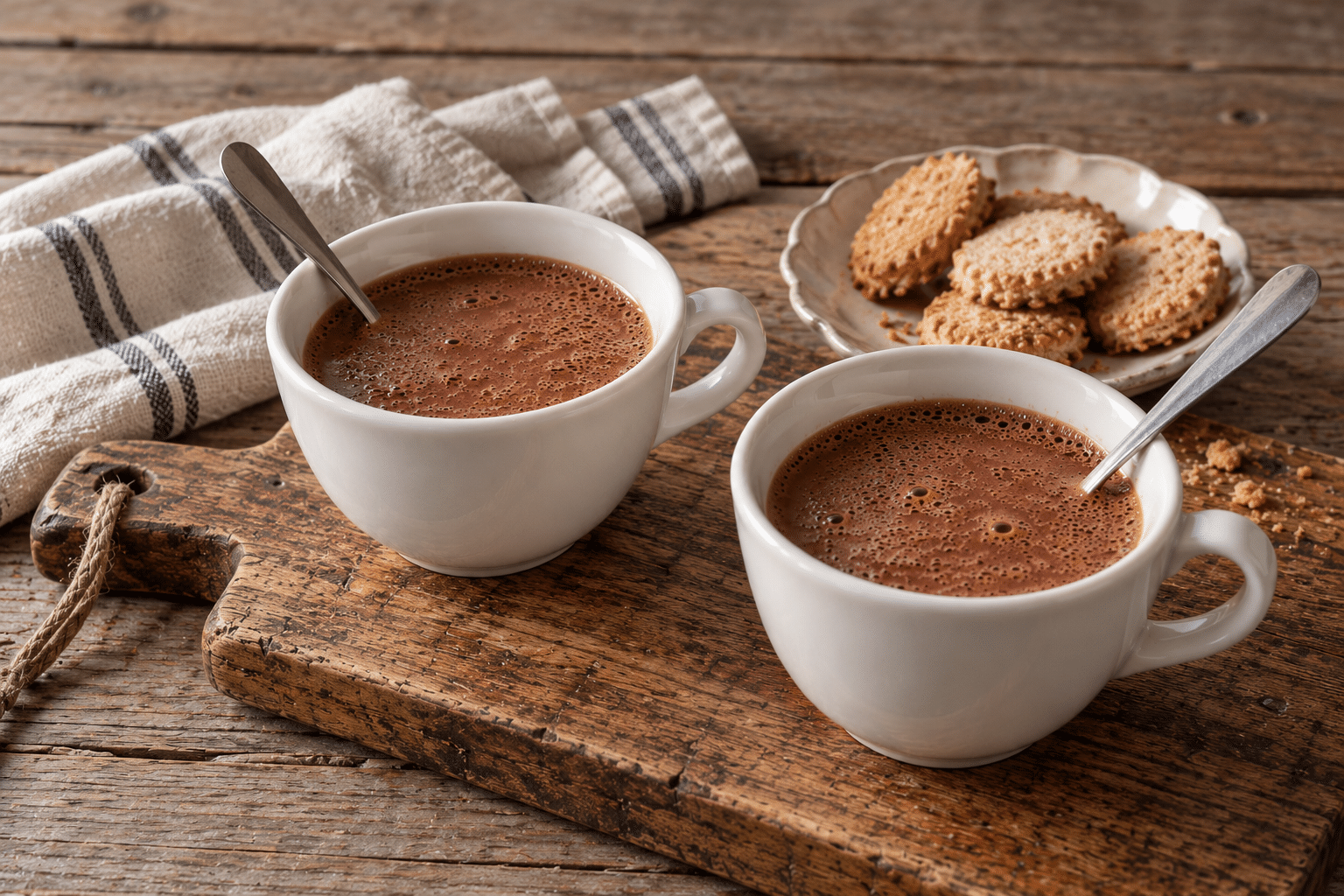
For 2 small cups (about 130 ml each): 250 ml whole milk and 65 g dark chocolate (60 to 70 % cocoa). Optionally 1 tbsp light brown sugar, plus 1 pinch of fleur de sel and 100 ml whipping cream to serve. Also: small pan, whisk, knife, thermometer (optional). Time: about 10 minutes.
- Chop the chocolate Chop the chocolate finely so that it melts evenly. The better the chocolate, the better the result: it determines the flavour.
- Warm the milk Warm the milk in the pan over a medium heat to 60 to 70°C, well before it boils. The first small bubbles will then rise at the edge.
- Stir in the chocolate Take the pan off the hob and whisk in the chocolate until it has completely melted (about 1 minute).
- Simmer briefly Put the pan back on a low heat and let the chocolate simmer very gently for 2 to 3 minutes, stirring constantly. Stay with it: it may foam up briefly at first. This is how it thickens.
- Season to taste Taste and stir in the sugar if needed. If you like, sprinkle a few crystals of fleur de sel on top.
- Serve Whip the cream lightly without sugar. Pour the chocolate into warmed small cups and serve the cream alongside in a small bowl, as at Angelina.
The chocolate gets even better if you make it a few hours ahead and gently reheat it before serving. Handy when guests are coming.
Two variations
With water and vanilla. This is how some Parisian chocolatiers still work today. For two cups, heat 150 ml water and 150 ml whole milk with a quarter of a vanilla pod (seeds scraped out, pod added too). Leave it to infuse, covered, for 10 minutes. Then pour it through a sieve onto 50 g of chopped dark chocolate and 3 to 4 g of 100 % cocoa chocolate. Stir until smooth and warm everything slowly without a lid. The vanilla adds roundness and softens the austerity of the 100 % chocolate. The result is smooth rather than frothy.
Lighter, for the morning. For breakfast, Parisians use less chocolate than in the afternoon. A proven ratio is 200 g of chocolate (72 % cocoa) per litre of semi-skimmed milk. For two cups, that is 250 ml semi-skimmed milk and 50 g dark chocolate with 72 % cocoa. Melt the chocolate in a splash of milk, add the rest and stir until the milk is just about to simmer. This gives a lighter but still dark drinking chocolate.
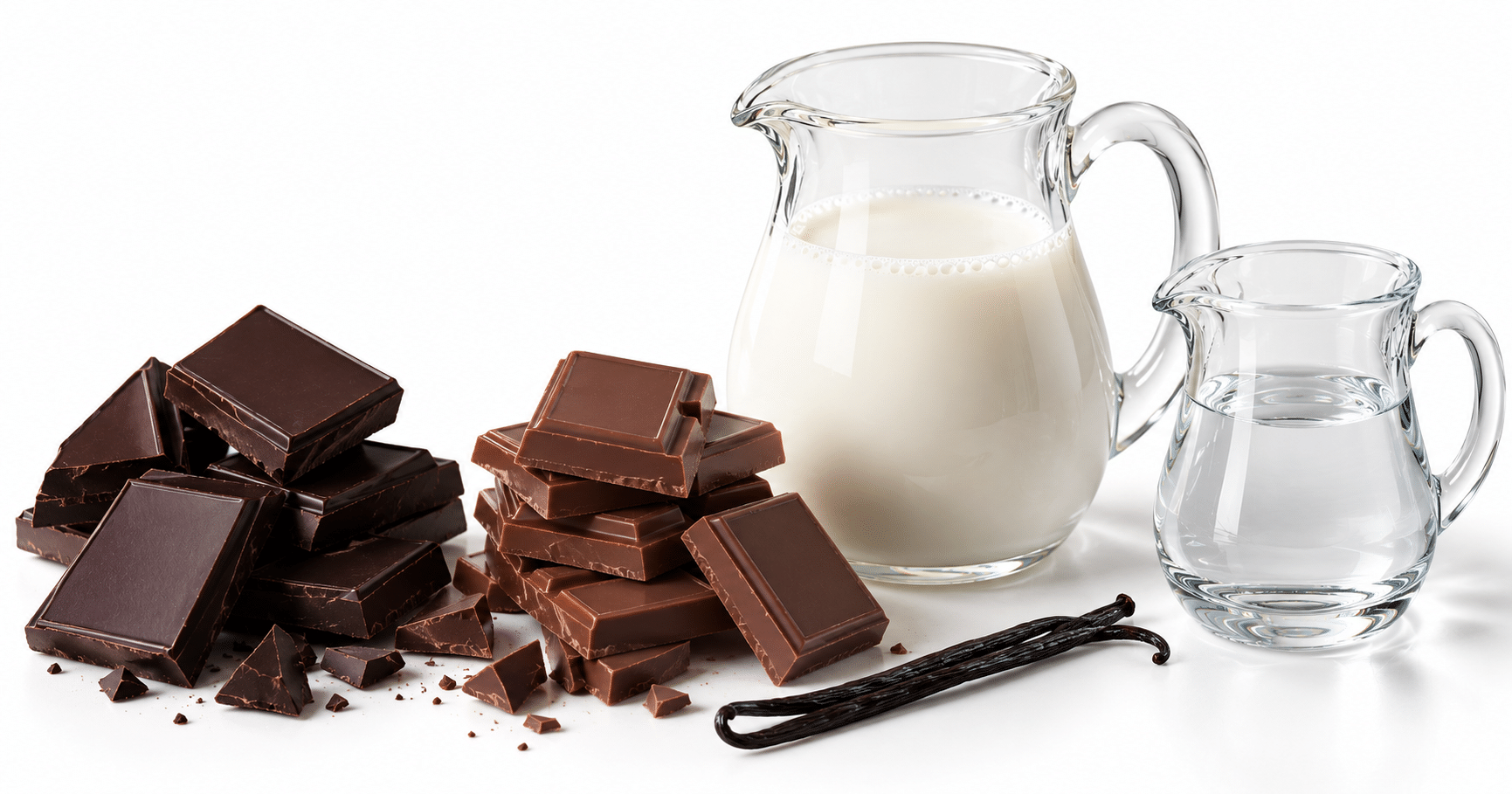
The bar makes the difference
You can clearly taste in the drinking chocolate which cocoa beans went into the bar. There is more in our articles on cocoa varieties and on how fermentation shapes the flavour. You will find good bars for it among the bean-to-bar makers in Germany, Austria and Switzerland.
Where to get good drinking chocolate in Paris
Here are six places with drinking chocolate on the menu, from the historic salons to a modern chocolate maker. We add the city’s oldest chocolate house for bars to take home. The order is not a ranking. Opening hours may change, so check them before you go.
Salon de thé since 1903
Angelina
The house this article begins with. Under the arcades opposite the Jardin des Tuileries, you get the ‘Chocolat chaud à l’ancienne’ made from three African cocoas. It is very thick and comes with a small bowl of whipped cream, which you fold in yourself. There is often a queue outside.
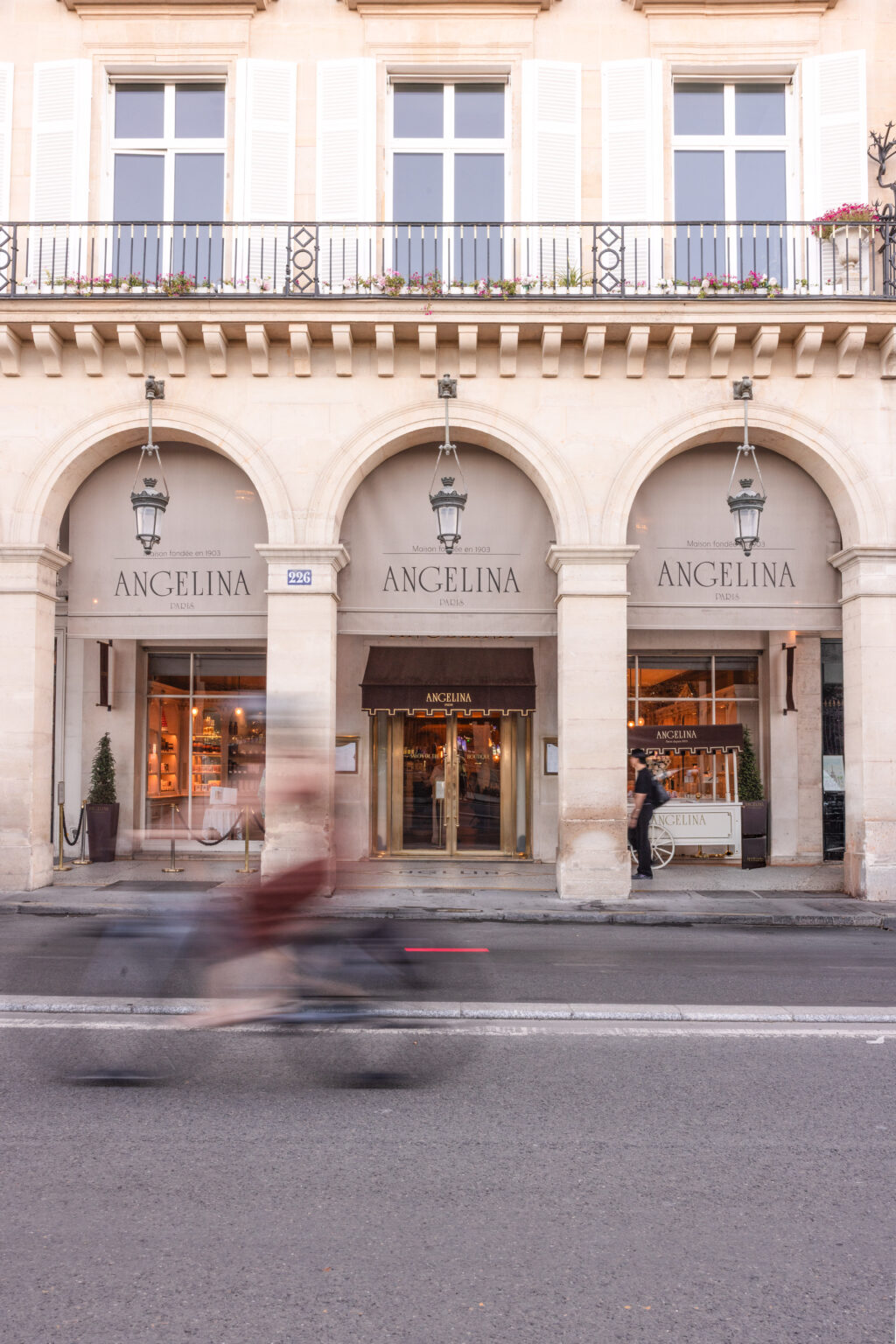
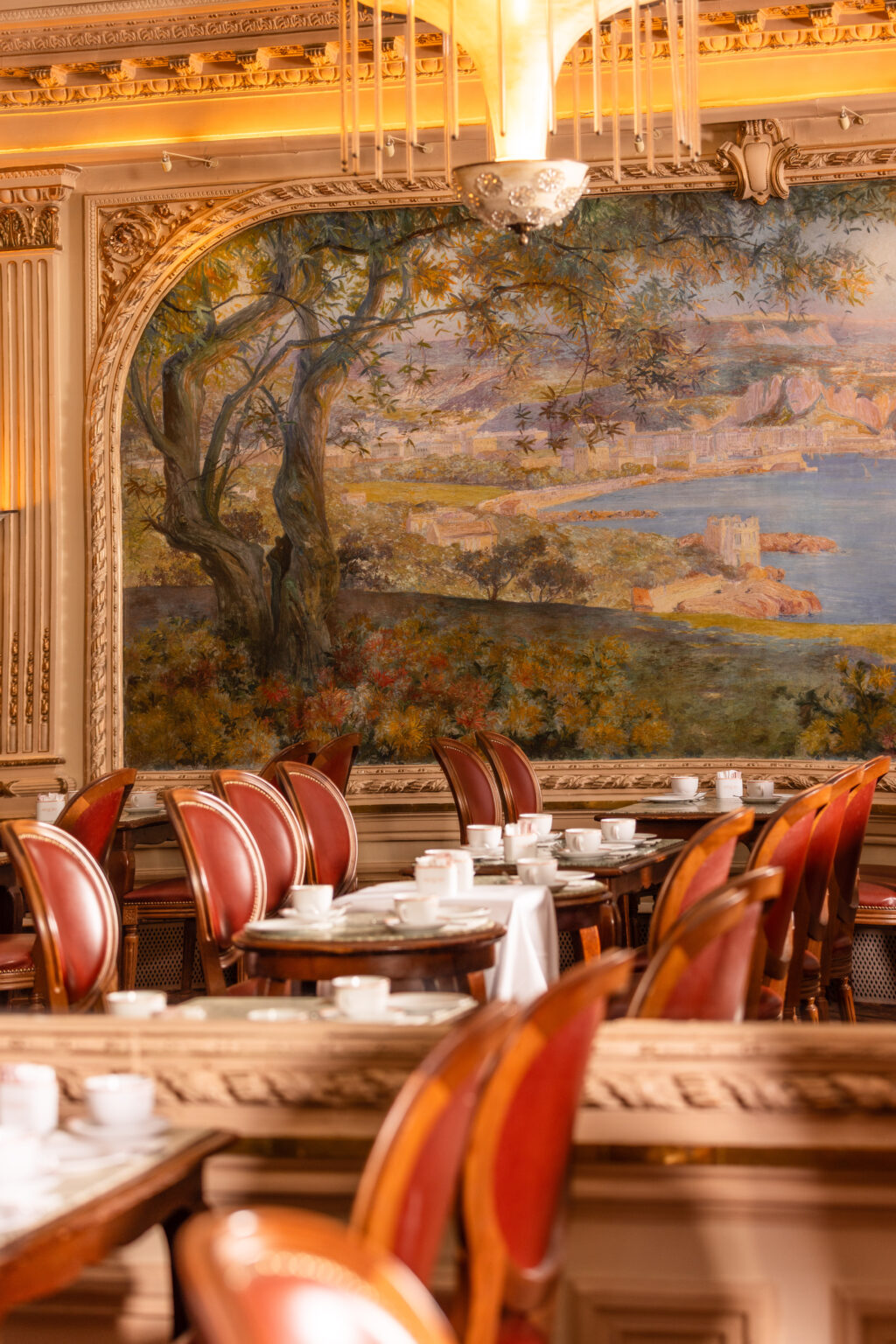
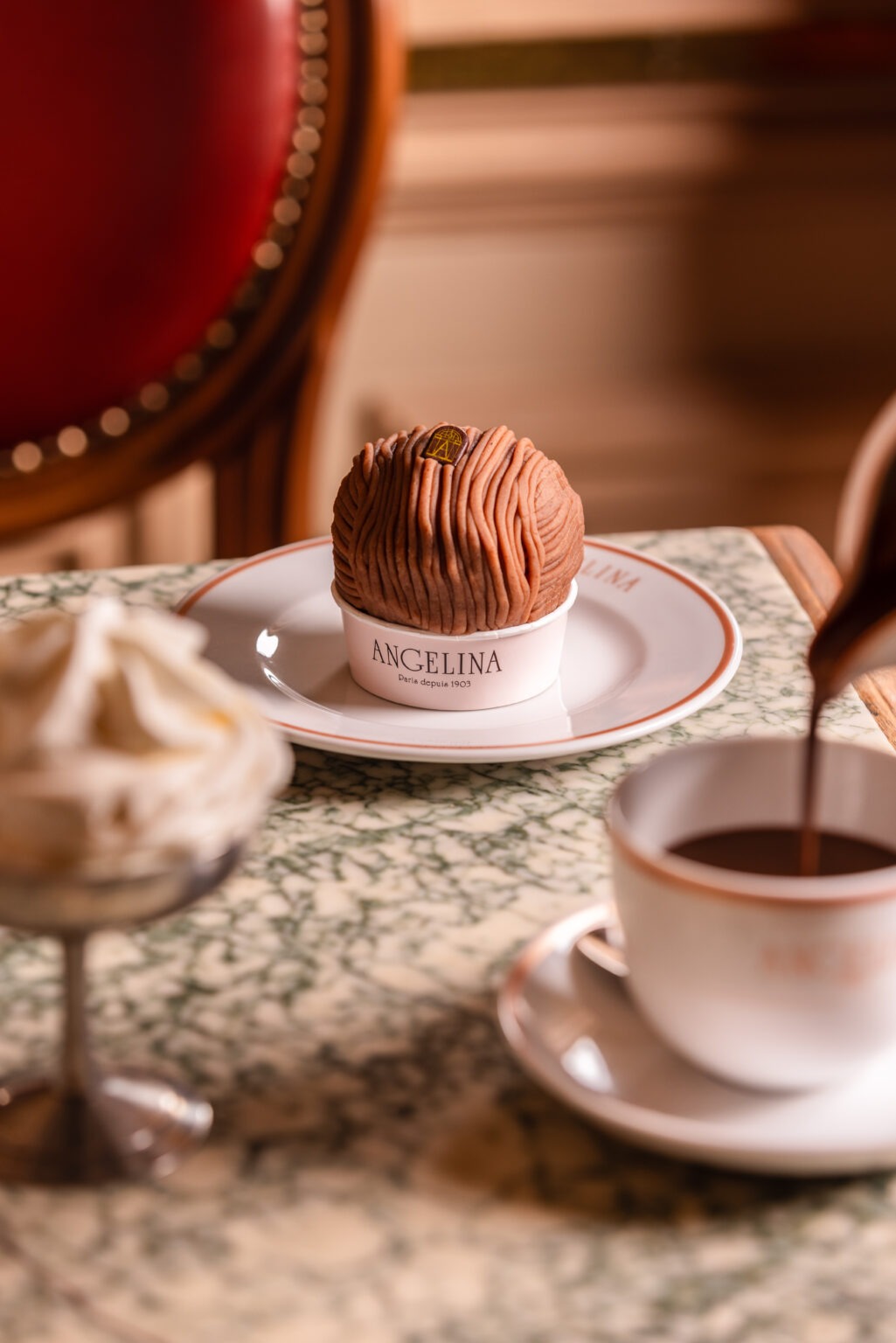
Photos: The Travel Buds / Angelina
- Address
- 226 Rue de Rivoli, 75001 Paris
- Open
- DailyCheck times on the website before you go
- Drinking chocolate
- Chocolat chaud à l’ancienne, cream on the side
Literary café in Saint-Germain
Les Deux Magots
Here too, it is called ‘Chocolat chaud à l’ancienne’. It is made from dark chocolate with 55 % cocoa and served in a jug on a silver tray. The large serving is enough for more than two cups, and it comes with whipped cream.
- Address
- 6 Place Saint-Germain-des-Prés, 75006 Paris
- Open
- Daily 7.30am to 1am
- Drinking chocolate
- Chocolat chaud à l’ancienne in a jug
Café on the Boulevard Saint-Germain
Café de Flore
Right next door, hot chocolate is one of the house specialities. It comes in a jug and is intense, but more liquid than thick. If you want cream, order the ‘Chocolat viennois’ with Chantilly.
- Address
- 172 Boulevard Saint-Germain, 75006 Paris
- Open
- Daily 7.30am to 1.30am
- Drinking chocolate
- Chocolat spécial, Chocolat viennois with Chantilly
Salon de thé since 1927
Carette
In the art deco salon at the Trocadéro, the creamy drinking chocolate comes in a metal jug with porcelain cups. The cream is served separately. It is a little less thick and sweeter than at Angelina. From the terrace, you look towards the Eiffel Tower. There is a second salon on the Place des Vosges.
- Address
- 4 Place du Trocadéro et du 11 Novembre, 75116 Paris
- Open
- Daily from 7am until late evening
- Drinking chocolate
- Chocolat chaud in a jug, cream served separately
Grand café by the opera
Café de la Paix
The historic café is directly opposite the Opéra Garnier. The drinking chocolate is fairly liquid and quite sweet. It comes with a jug of hot milk, so you can dilute it yourself.
- Address
- 5 Place de l’Opéra, 75009 Paris
- Open
- Daily 7am to 10.30pm
- Drinking chocolate
- Chocolat chaud with a jug of hot milk
Bean-to-bar chocolate maker
Plaq
The modern alternative: Plaq roasts its own cocoa beans and leaves the drinking chocolate to infuse overnight. You choose between water, which makes it stronger, and milk, which makes it rounder. Homemade whipped cream is available on request. There is no salon, just a few stools in the lane.
- Address
- 4 Rue du Nil, 75002 Paris
- Open
- Mon to Fri 11am to 7.30pmSat 10am to 7.30pm, Sun 10am to 6.30pm
- Drinking chocolate
- Drinking chocolate with water or milk, cream on request
Chocolate house since 1800
Debauve & Gallais
The oldest chocolate house in Paris, which you read about above. You can’t drink chocolate here, but you can buy the bars to make your own. There is dark chocolate with 72 and 100 % cocoa, exactly the types in our two variations. The shop alone is worth the visit, as the interior by Percier and Fontaine is listed. You can also buy Marie Antoinette’s ‘Pistoles’.
- Address
- 30 Rue des Saints-Pères, 75007 Paris
- Open
- Mon to Fri 10am to 7pm, Sat 10.30am to 7.30pmClosed on Sundays
- Drinking chocolate
- No drinks served, bars with 72 and 100 % cocoa to take away
The map with all addresses is loading.
Our recommendation for Parisian drinking chocolate
For the Parisian style, the chocolate is what matters most. This couverture melts evenly and is explicitly intended for drinks.
The chocolate
Couverture
Callebaut Zartbitter 70-30-38
Pros: Belgian dark couverture with an intense flavour and roasted notes. The maker explicitly names drinks as a use, and the callets can be weighed without chopping.
Cons: Clearly bitter, so if you like a milder drinking chocolate, you will need to add sugar. A blend of different cocoas, with no grand cru or origin profile.
Our selection is editorial, there are no paid placements. Links marked * are affiliate links to Amazon Germany (amazon.de): if you buy through them, we receive a small commission at no extra cost to you. We have not tested the products ourselves; pros and cons are based on manufacturer information and retailer descriptions. Prices are guide prices from German shops as of October 2026, and prices and availability on Amazon may differ.
Last updated: October 2026.
Sources
- Wikipedia: Angelina (tea house), accessed 18 October 2026.
- Sortir à Paris: Angelina, plus d’un siècle de douceur et d’élégance sur la rue de Rivoli (in French), updated 13 October 2025.
- Paris Zigzag: L’institution parisienne du chocolat chaud (in French), updated 1 June 2022.
- Chocoparis: Paris, World Capital of Chocolate, accessed 18 October 2026.
- Debauve & Gallais: L’histoire de la maison, accessed 18 October 2026.
- Wikipedia: Debauve & Gallais, accessed 18 October 2026.
- Wikipedia: Kakao (Getränk) / Trinkschokolade (in German), accessed 18 October 2026.
- Verbraucherzentrale Südtirol: Heiße Schokolade/Kakao (in German), 7 November 2016.
- Slate, Elise Renoleau: Apprenez à maîtriser le chocolat chaud qui vous plaît (in French), undated, accessed 18 October 2026.
- David Lebovitz: Parisian Hot Chocolate; Chocolat Chaud, 15 November 2005, and printable recipe.
- Paris je t’aime: Angelina Rivoli, Café de Flore, Les Deux Magots, Café de la Paix, accessed 21 October 2026.
- Paris Select Book: Les meilleurs chocolats chauds de Paris (in French), 10 September 2024.
- Mad About Macarons: Best hot chocolate in Paris, updated 3 April 2026.
- Time Out Paris: Paris’ best hot chocolates, accessed 21 October 2026.
- Plaq: La Manufacture, accessed 21 October 2026.
- Les Deux Magots: Website, accessed 21 October 2026.
- Callebaut (shop Germany): Dark Chocolate Callets 70.5% Recipe 70-30-38, 400 g for €8.37, accessed 24 October 2026.
- eBay.de: Barry Callebaut 70-30-38 dunkle Schokolade Kuvertüre 400 g (in German), offer €15.40, accessed 24 October 2026.
1 Comment
Pingback: Hot chocolate with couverture: ratio and recipes