Sencha is steamed green tea from Japan, fresh and grassy in flavour. Brew it with water at 70 to 90°C and steep it for about 1 minute.Steaming levels, harvests, growing regions, kabuse and brewing in a kyusu with several infusions.
Sencha is Japan’s everyday tea. According to figures from the national tea producers’ association, just under half of Japan’s crude tea in 2025 was sencha, around 35,300 of 73,400 tonnes. Most of the rest is simple bancha and tencha, the leaf used for matcha.
Sencha usually grows in full sun and is steamed, rolled and dried after picking. How long the steam acts and when the leaves are picked shape the flavour. Sencha tastes fresh and grassy, and higher grades also have a distinct umami taste.
Steamed, not pan-fired: the difference from Chinese green tea
Green tea is made when heat stops the leaf’s own enzymes straight after harvest. The leaf then doesn’t oxidise and stays green. With oolong and black tea, by contrast, this oxidation is deliberately allowed to run, more on that in oolong tea.
There are two ways to stop it. Shizuoka Prefecture calls steaming the Japanese method and heating in an iron pan the Chinese one. A well-known example of the pan method is Longjing from Hangzhou. According to its product specification, the leaf spends 12 to 14 minutes in a wok at 90 to 100°C.
The pan gives a roasted, nutty aroma that the Japanese call kamaka. Steam, on the other hand, preserves the fresh, grassy green. In Japan itself, pan-fired tea is rare. According to the Japan Tourism Agency, kamairicha makes up only about 1 per cent of green tea.
According to tradition, the process for green sencha was invented by Nagatani Soen in the Edo period. He came from Yuyadani in Ujitawara near Kyoto. According to Kyoto Prefecture, he added kneading before drying to the steaming and drying.
Asamushi, chumushi and fukamushi: how long the steam acts
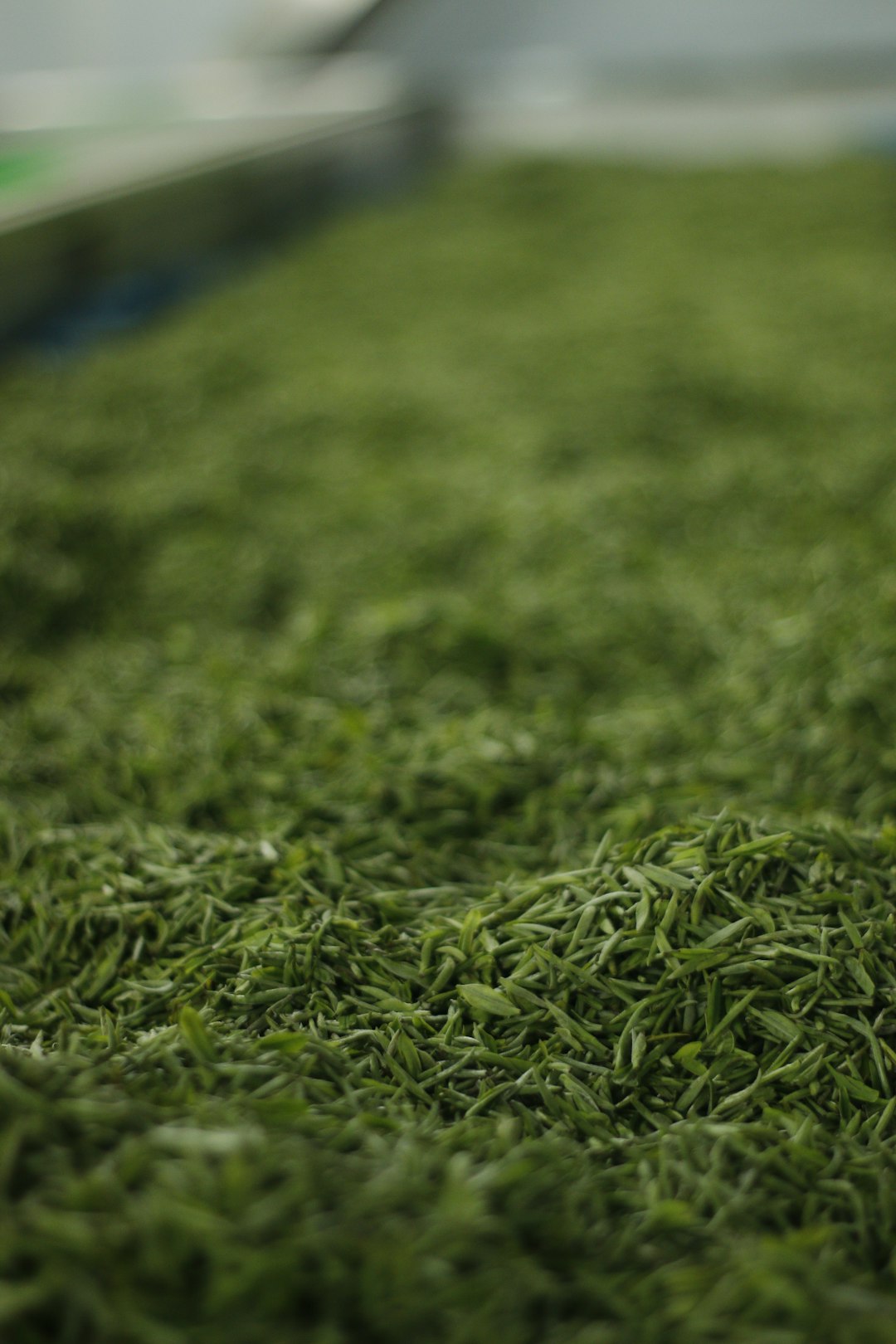
There are no fixed limits for the steaming levels, and each producer steams according to the leaf and the goal. An author who specialises in Japanese tea gives rough guide values. Lightly steamed asamushi gets about 20 to 30 seconds of steam, normally steamed chumushi 30 to 40 seconds. Fukamushi gets more than 40 seconds.
Japan’s Ministry of Agriculture describes fukamushi as steamed two to three times as long as normal sencha. The leaf becomes brittle and breaks during rolling. The fine particles later float in the infusion, which turns cloudy and dark green.
| Steaming level | Steam (rough) | Leaf | Infusion | Flavour |
|---|---|---|---|---|
| Asamushi, light | 20 to 30 s | mostly whole needles | clear, pale | more fragrant and more astringent |
| Chumushi, normal | 30 to 40 s | mainly whole needles | light green | in between |
| Fukamushi, deep | over 40 s | lots of broken leaf | cloudy, dark green | mild, with full body |
The author explains the fuller body with more dissolved pectin. Fukamushi releases its compounds quickly and therefore needs shorter steeping times.
Shincha and ichibancha: which harvest is in the pack
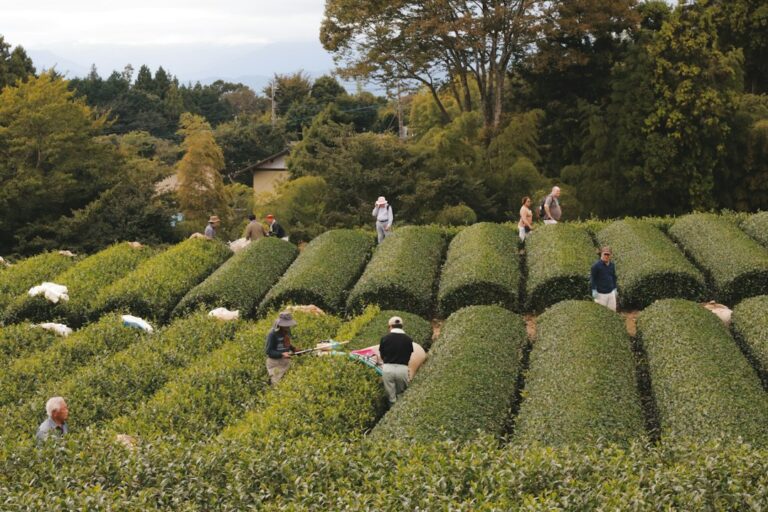
Tea bushes in Japan are picked several times a year. Ichibancha is the first harvest in spring, from the shoots after winter dormancy. It is followed by nibancha in summer and, depending on the region, sanbancha or an autumn harvest. Shincha is the name for first-harvest tea sold fresh.
The season moves from south to north. According to a Kyoto tea house, it starts in Kagoshima in early April, in Shizuoka in mid-April and in Uji only in May. Shincha goes on sale around hachijuhachiya, the 88th night after the traditional start of spring. In 2026 this day fell on 2 May.
| Region | 1st harvest (shincha) | 2nd harvest | later |
|---|---|---|---|
| Kagoshima | early April to May | June | July/August, autumn |
| Shizuoka | mid-April to May | mid-June to mid-July | July/August, autumn |
| Kyoto (Uji) | May | late June to early July | late summer |
The Ministry of Agriculture writes that early-harvested sencha contains more amino acids, which provide umami and sweetness. Summer tea tends to contain slightly more tannins. But shincha on the label only tells you that the tea comes from the year’s first harvest, not how good it is.
Kagoshima, Shizuoka and Uji: where sencha grows
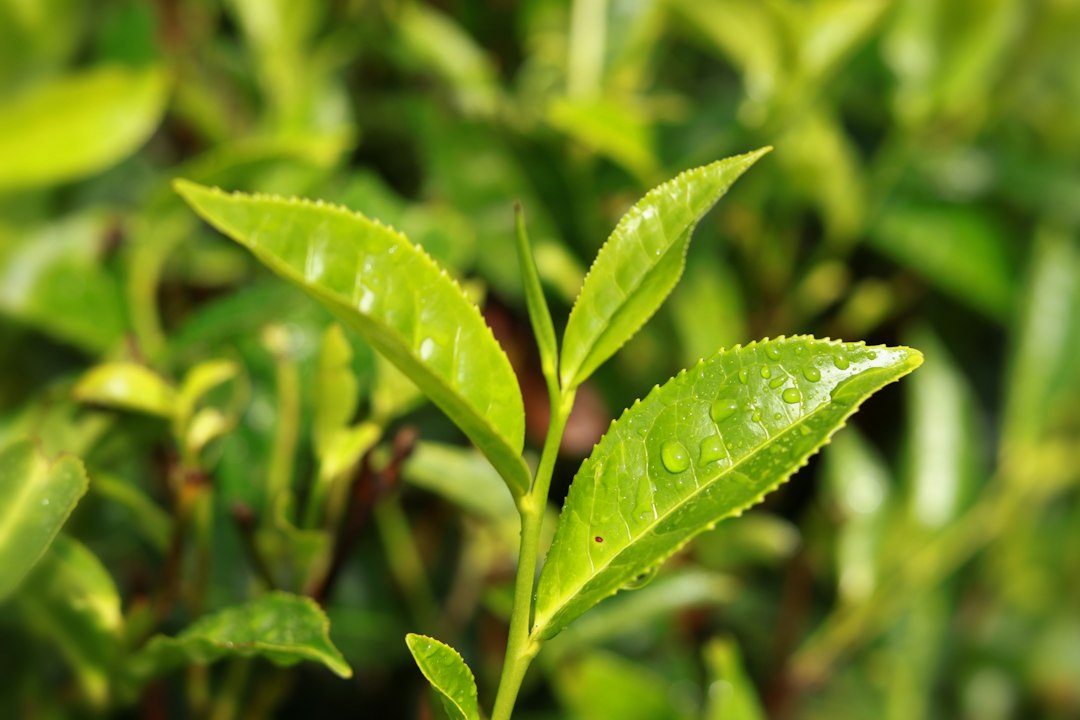
For a long time, Shizuoka, south-west of Tokyo, topped Japan’s tea statistics. In 2025, Kagoshima, in the far south on the island of Kyushu, was clearly ahead. According to the Ministry of Agriculture, Kagoshima harvested 30,000 tonnes of crude tea and Shizuoka 24,100 tonnes. Japan as a whole reached 75,100 tonnes.
| Prefecture | Crude tea in total | of which sencha | of which tencha |
|---|---|---|---|
| Kagoshima | 30,000 t | 14,800 t | 2,670 t |
| Shizuoka | 24,100 t | 14,310 t | 875 t |
| Kyoto | 2,121 t | 170 t | 989 t |
| Japan | around 73,400 t | 35,332 t | 6,278 t |
For sencha, Kagoshima and Shizuoka are almost level. Kagoshima’s lead comes mainly from tencha. Kyoto, home to the well-known growing area of Uji, produces hardly any sencha. Shaded teas for matcha and gyokuro dominate there.
The matcha boom is changing cultivation. According to a June 2026 report in the Yomiuri newspaper, tencha fetched about six times the previous year’s price in 2025. At the first auction in Kagoshima in April 2026, new sencha leaf cost an average of 6,573 yen per kilo, roughly €39. That was 60 per cent more than in 2025. A representative of the Japanese tea association warned that a one-sided focus on tencha could push sencha prices up further.
Kabuse sencha and gyokuro: shade brings umami
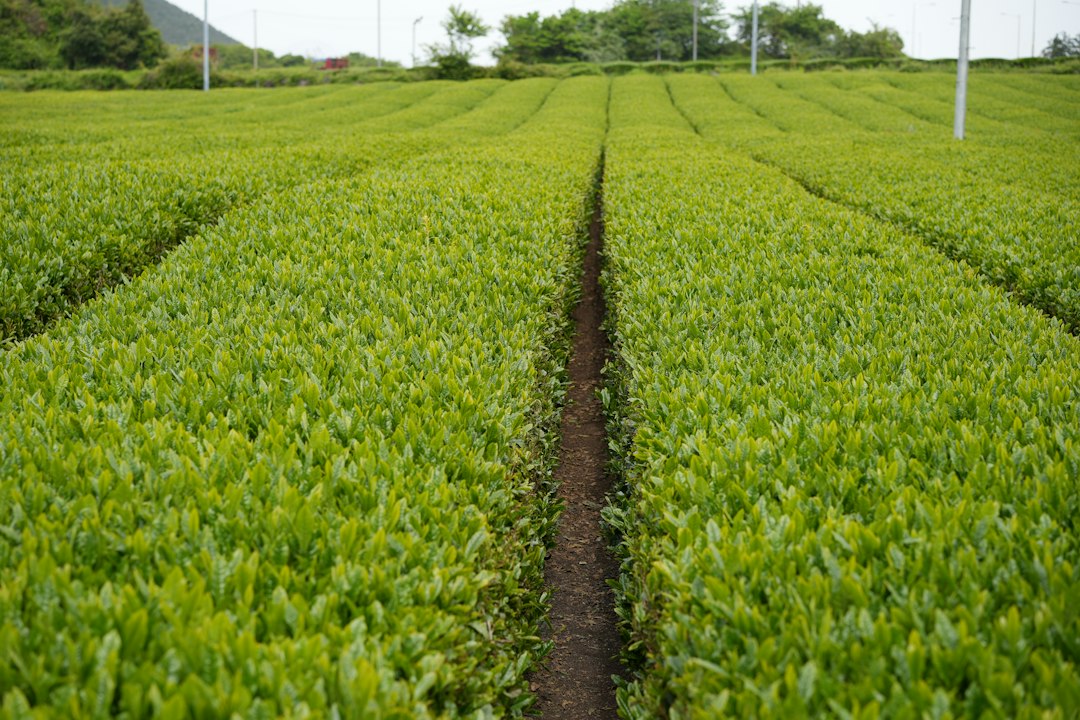
If the farmer shades the bushes before harvest, the leaf changes. According to a handbook from NARO, Japan’s agricultural research organisation, theanine, other amino acids and chlorophyll rise, while the astringent catechins fall. The tea becomes greener, milder and tastes more strongly of umami.
Kabusecha, often sold as kabuse sencha, is the short form of shading. A black net blocks about 85 per cent of the light for 10 to 15 days before the first harvest. Gyokuro and tencha, by contrast, spend 20 to 30 days under heavily screening material, traditionally reed and straw mats. That is why kabuse sits between sencha and gyokuro in flavour.
| Tea | Shading before harvest | Flavour |
|---|---|---|
| Sencha | none, full sun | fresh and grassy |
| Kabusecha | 10 to 15 days, net with about 85 % shade | more umami, less astringent |
| Gyokuro | 20 to 30 days, heavily screened | lots of umami, hardly bitter |
| Tencha (for matcha) | at least 20 days | ground, not brewed |
Brew gyokuro even cooler than sencha. Shizuoka Prefecture gives 50 to 60°C and around 2 minutes. The German specialist retailer from our tea guide gives 70°C.
Brewing: kyusu, 70 to 90°C and several infusions
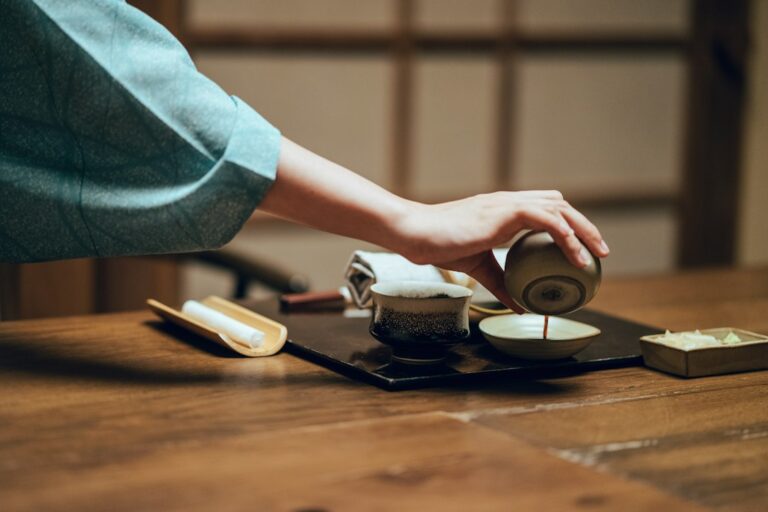
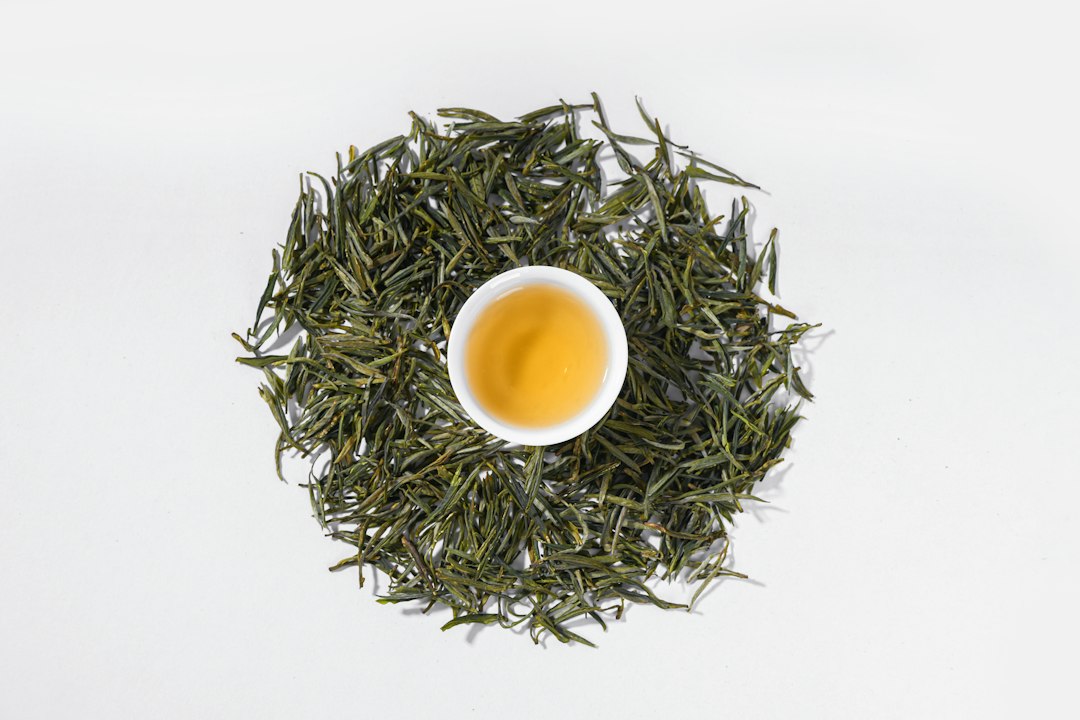
In Japan, sencha is brewed in a kyusu. This is a small teapot with a built-in strainer. The Ministry of Agriculture recommends a pot of around 250 ml for high-quality sencha and about 600 ml for medium quality. For 5 cups, the tea associations of Shizuoka and Kagoshima use 10 g of leaf.
The rule of thumb is: the finer the sencha, the cooler the water. Brew high-quality sencha at about 70°C and everyday sencha at 80 to 90°C. Fukamushi steeps for only around 30 seconds. The values match our guide to brewing tea properly, which also explains how to cool water without a thermometer.
| Source | Sencha | Leaf | Water | Steeping time | 2nd infusion |
|---|---|---|---|---|---|
| Kagoshima tea association | high quality | 6 g for 3 cups | 70°C | 90 s | 10 s |
| Kagoshima tea association | everyday | 10 g for 5 cups | 80°C | 1 min | 10 s |
| Shizuoka Prefecture | high quality | 6 g for 3 cups of 60 ml | 70°C | 1 to 2 min | 10 s |
| Shizuoka Prefecture | everyday | 10 g for 5 cups of 90 ml | 90°C | 1 min | 10 s |
| Ministry of Agriculture | fukamushi | 2 g per 60 ml | 70 to 90°C | 30 s | 20 s, a little hotter |
| German specialist retailer | teapot | 11 g per litre | 90°C | 1 min | not specified |
By the second infusion the leaf has already opened, so a few seconds are enough. The Ministry of Agriculture advises slightly hotter water than the first time. Pour out every pot to the last drop, otherwise the rest keeps steeping and turns bitter.
How to get sencha right in a kyusu:
- Weigh the tea: 2 g per cup is a good start.
- Pour the hot water into the cups first and only then into the pot. This cools it down and gets the amount right.
- Pour into several cups in turn so that everyone gets equally strong tea.
- For fukamushi, use a pot with a fine strainer, otherwise the broken leaf clogs the spout.
- Use soft water: the Kagoshima tea association recommends 0 to 60 mg of hardness per litre. More on this in water for coffee.
To start, take a normally steamed sencha from the first harvest and brew it at 70 to 80°C. Then try a fukamushi and a kabuse. That way you can taste for yourself what steam and shade do.
Last updated: 24 October 2026.
Sources
- Aichi Prefecture, data from the national tea producers’ association (全国茶生産団体連合会): 2025年産茶の生産状況 (tea production 2025 by type of tea) (in Japanese), harvest year 2025, accessed 24 October 2026.
- Ministry of Agriculture, Forestry and Fisheries of Japan (MAFF): 令和7年産茶の摘採面積及び生産量(主産県) (in Japanese), 20 February 2026.
- Shizuoka Prefecture: お茶の種類と効用 (types of tea and their effects) (in Japanese), 11 January 2023.
- Shizuoka Prefecture: おいしいお茶の入れ方 (how to make good tea) (in Japanese), 11 January 2023.
- UK register of protected names: Product Specification on Longjing Cha, undated, accessed 24 October 2026.
- Japan Tourism Agency, multilingual explanatory text database: Kamairicha (Tea), fiscal year 2018.
- Kyoto Prefecture: 京都府景観資産登録地区の紹介24, Yuyadani, Ujitawara (in Japanese), accessed 24 October 2026.
- My Japanese Green Tea, Ricardo Caicedo: About the Steaming Time of Sencha, 15 December 2020, updated 25 December 2022.
- Ministry of Agriculture, Forestry and Fisheries of Japan (MAFF): 茶の淹れ方マニュアル (guide to brewing tea) (in Japanese), undated, accessed 24 October 2026.
- Chikiriya Tea House (retailer information): Tea harvest seasons, 14 March 2023.
- Weathernews: 今日5月2日は八十八夜 (in Japanese), 2 May 2026.
- The Yomiuri Shimbun / Asia News Network, Ayaka Higuchi: Matcha boom still simmering, but record-high exports bring Japanese tea farmers challenges, 2 June 2026.
- NARO, research consortium project 27015C: 被覆茶安定生産マニュアル (handbook for producing shaded teas) (in Japanese), March 2018.
- Kagoshima Prefectural Tea Industry Association: The Art of Brewing Delicious Kagoshima Tea, accessed 24 October 2026.
- TeeGschwendner, product page: Japan Sencha Bio (in German), accessed 24 October 2026.
- TeeGschwendner, product page: Japan Gyokuro Bio (in German), accessed 24 October 2026.