More than 700,000 tonnes of cocoa shells are produced worldwide every year. Some of them become an infusion that smells of chocolate but has hardly any calories.The cocoa shell, its infusion, theobromine and caffeine in the cup and contaminants by origin.
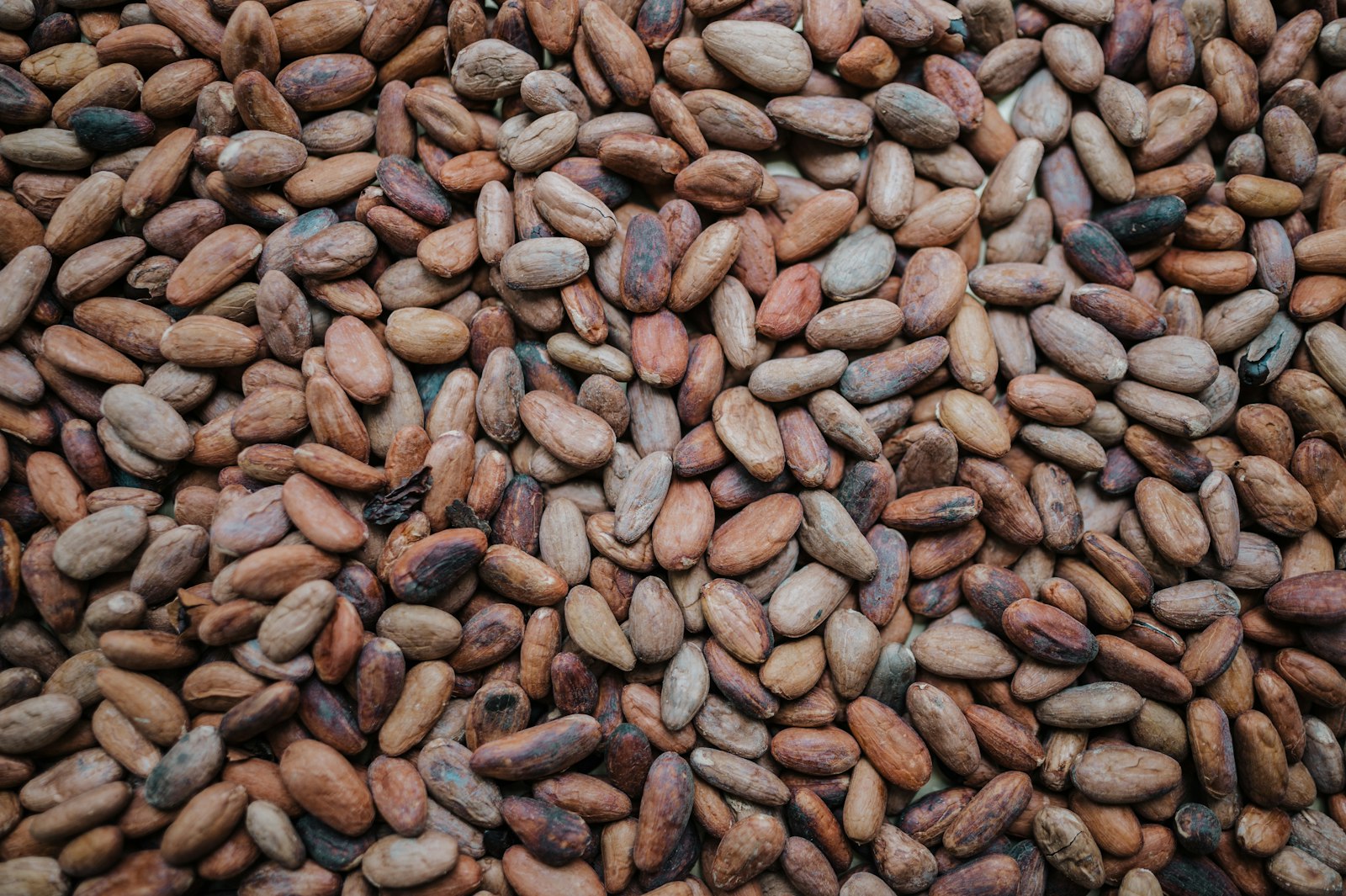
Before a cocoa bean becomes chocolate, it is roasted and goes into the cracker. This loosens the thin seed coat, which specialists call the testa. What remains are the nibs for the chocolate and the shells as a by-product. Many bean-to-bar makers now pack these shells as tea.
The shell: a by-product by the tonne
The shell makes up 10 to 17 per cent of the bean’s weight. According to a 2020 review, that adds up to more than 700,000 tonnes a year worldwide, over 250,000 tonnes of it in Europe. On paper, each kilogram of chocolate leaves around 98 grams of shell. Much of it has so far been turned into animal feed and fertiliser.
The shell has little place in chocolate itself. The Codex Alimentarius allows a shell content of no more than 5 per cent in cocoa products. How roasting and cracking work at a chocolate maker is explained in Bean-to-bar: how chocolate is made from bean to bar.
Cocoa as tea: already in a recipe book in 1886
The idea is not new. In 1886, the US manufacturer Walter Baker & Co. printed a recipe for ‘Cocoa Shells’ in its book on cocoa and chocolate. About 2 ounces of shells were to be boiled in 3 pints of boiling water for 30 to 40 minutes. They were served with milk and sugar. The book also mentions that Britain cut its duty on shells in 1855.
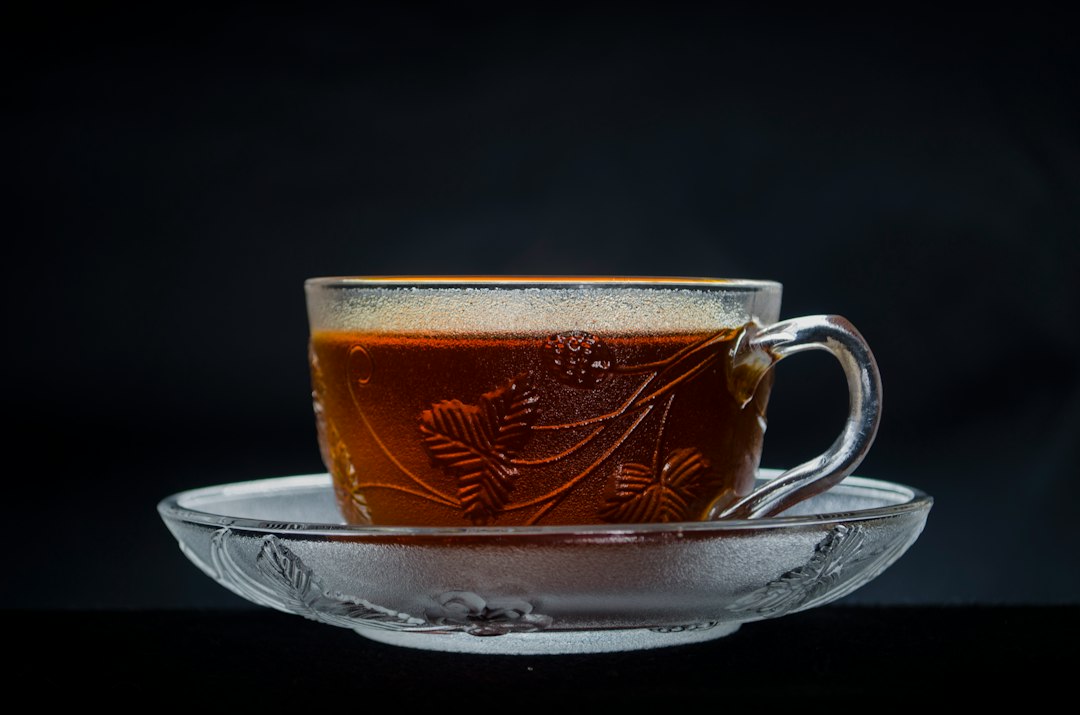
Today the infusion is much shorter. It tastes mildly of cocoa, slightly tart and, depending on the roast, a little nutty. A 2023 study found that finely ground shells make the tea more bitter, more sour and more astringent. When you drink it hot, the chocolatey notes come through more strongly than when it is cold.
Brewing it right: grams, degrees and minutes
There is no fixed standard recipe, and manufacturers and studies use quite different values. The table shows the range. The basic rule: whole shells and shorter steeping times give a gentler tea, boiling water and long steeping a stronger one.
| Source | Amount | Water | Steeping time |
|---|---|---|---|
| Study 2023 (Foods) | 1 g per 100 ml | 96°C | 5 minutes |
| Study Thailand 2026 | 2 g ground per 100 ml | 80 to 95°C | 6 minutes |
| Bean-to-bar maker | 3 g per 230 ml | 80°C at most | about 3 minutes |
| Tea manufacturer (pharmacy product) | 1 heaped tsp to 1 tbsp per 200 ml | boiling | 8 to 10 minutes |
How temperature and steeping time affect infusions in general is explained in How to brew tea: temperature, steeping time and amount of leaf by type. A splash of milk or oat drink turns the infusion into a kind of light cocoa.
For your first cup of cocoa shell tea:
- Start with 2 to 3 g of shells per 200 to 250 ml of water.
- Pour at 80 to 90°C if you like it mild, and steep for longer if needed.
- Use whole rather than ground shells, or the tea turns bitter more quickly.
- Buy from makers with clear origin information and ask for lab results.
- Try it with a little milk or oat drink and a pinch of cinnamon.
Theobromine instead of caffeine, but not caffeine-free
Some retailers advertise cocoa shell tea as caffeine-free. The measurements do not support that. A Thai study from 2026 tested ten commercial cocoa shell teas. Brewed to the ISO tea standard, each gram of shell released 10.5 to 16 milligrams of theobromine and 0.9 to 1.9 milligrams of caffeine.
By our calculation, 2 grams of shell put about 21 to 32 milligrams of theobromine and 2 to 4 milligrams of caffeine in your cup. That is little compared with coffee, but it is not zero. The study used ground shells from Thailand; whole shells probably release less. How much caffeine other drinks contain is shown in Caffeine in espresso, filter coffee and cold brew: the values per cup.
Theobromine is the typical companion substance of cocoa, and studies find much more of it in the shell than caffeine. One manufacturer speaks of a ‘mildly stimulating drink’. Health effects of the tea are not proven, even though the shells contain polyphenols such as epicatechin.
Contaminants: why origin matters
The shell is the bean’s outer skin, so it catches quite a lot. According to the 2020 review, 18 to 56 per cent of the bean’s cadmium sits in the shell. For the mould toxin ochratoxin A, the figure is 50 to 95 per cent. Measurements found 0.05 to 0.10 milligrams of cadmium per kilogram of shell. For ochratoxin A, most values were 0.13 to 2 micrograms per kilogram, with one outlier at 23 micrograms.
How much of this passes into the infusion has hardly been studied. A 2023 study rated the ochratoxin risk of its infusions as low and found no microbes. We found no specific EU maximum level for cocoa shell tea. Nor did we have results from German food inspection authorities on the product. We also found no data on mineral oil in cocoa shells.
Buying cocoa shells, plus the cocoa fruit juice trend
In Germany, cocoa shell tea is sold by bean-to-bar makers, chocolatiers and tea companies. In our spot check, 70 to 100 grams from chocolate makers cost around €4.50. A 200-gram pack of organic shells from a pharmacy costs around €9 to €10. The makers’ shells often sell out quickly, because there are only as many as their chocolate production leaves. You’ll find good addresses in Craft chocolate in Germany, Austria and Switzerland: makers and prices.
The pulp of the cocoa fruit is now used too. Since 14 February 2020, cocoa pulp and its juice have been authorised in the EU as a traditional food. They contain more than 11 grams of sugar per 100 grams. A 60 ml cocoa fruit juice shot costs around €2.65 in shops. It tastes fresh and fruity and has little in common with chocolate.
Our recommendations
Cocoa shells · around €8 to €10
Salus organic cocoa shell tea, 200 g
Pros: Certified organic, single-ingredient and with clear brewing instructions.
Cons: The manufacturer does not name a country of origin, and the shells do not come from a bean-to-bar maker.
Tea filter · around €6
Finum Brewing Basket M
Pros: The fine mesh holds back even cut shells, and the lid keeps the tea warm and then serves as a drip tray; dishwasher-safe.
Cons: Plastic (PP) frame rather than all stainless steel; with a 6 cm inner diameter it is designed for single cups, not teapots.
Cocoa shell tea is a nice way to use up a by-product, with a mild chocolate aroma. It is low in calories but not caffeine-free. When buying, look for a traceable origin.
All prices are guide prices and may change. We have not tested the products ourselves.
Last updated: 24 October 2026.
Sources
- Rojo-Poveda et al., Nutrients: Cocoa Bean Shell – A By-Product with Nutritional Properties and Biofunctional Potential, 17 April 2020.
- Boonchalaem et al., Molecules: Simultaneous Determination of Methylxanthines and Flavanols in Cocoa Husk Tea, 17 May 2026.
- Delgado-Ospina et al., Foods: Cocoa Shell Infusion: A Promising Application for Added-Value Beverages, 2023.
- Walter Baker & Co. (Internet Archive): Cocoa and Chocolate: A Short History of Their Production and Use, 1886.
- AGROLAB: Cadmium im Kakao (in German), 3 May 2023.
- Salus: Kakaoschalen (in German), accessed 23 October 2026.
- medpex: Kakaoschalen Tee Bio Cortex cacao (in German), accessed 23 October 2026.
- Dos Estaciones: Cacao husk tea, accessed 23 October 2026.
- Chocolatier Praetsch: Kakaoschalen-Tee, accessed 23 October 2026.
- Commission Implementing Regulation (EU) 2020/206: Authorisation of cocoa pulp as a traditional food, 14 February 2020.
- Deutscher Bundestag (German parliament), hib 689/2021: Schokolade mit Kakaosaft (in German), 25 May 2021.
- KOA Germany: KOA Pure: Cocoafruit (in German), accessed 23 October 2026.
- Aponeo: Salus Kakaoschalen-Tee Bio (in German), price accessed 23 October 2026.
- Good Earth Goods: Finum Dauerfilter Größe M (in German), accessed 24 October 2026.
Image credits
- Glass cup of tea on a saucer – Photo: Nikolai Demin / Unsplash
Our selection is editorial, there are no paid placements. Links marked * are affiliate links to Amazon Germany (amazon.de): if you buy through them, we receive a small commission at no extra cost to you. We have not tested the products ourselves; pros and cons are based on manufacturer information and retailer descriptions. Prices are guide prices from German shops as of October 2026, and prices and availability on Amazon may differ.