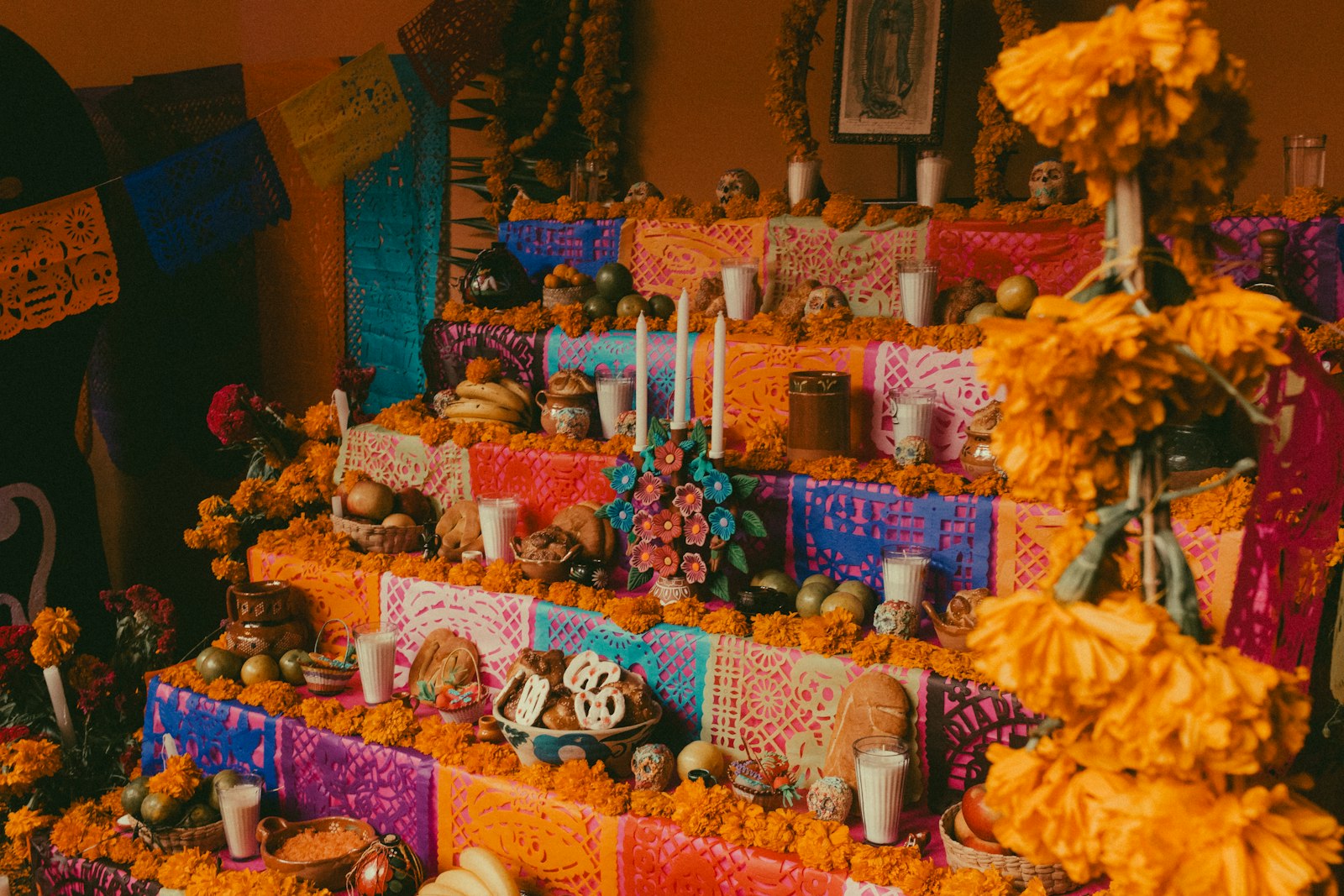
Mexico marks Día de Muertos on 1 and 2 November, and many ofrendas and tables then hold champurrado. It is a thick drink of maize dough, chocolate and cane sugar.Maize and cocoa before colonial times, champurrado for four cups, tejate from Oaxaca and Mexican chocolate.
We tend to think of hot chocolate as a milk drink. Mexico also has a much older tradition: cocoa stirred together with maize and whipped to a foam. Champurrado belongs to the atole family, warm maize-based drinks. Tejate, by contrast, is drunk cold and comes from the state of Oaxaca.
Foam for the gods: cocoa among the Maya and Aztecs
Cocoa has an ancient history in Mesoamerica. According to current research, the Mokaya in what is now Chiapas drank a bitter, foamy cocoa drink as early as 1900 BC. The Maya poured their cocoa from a height, from one vessel into another. This created the prized foam, and its colour revealed the quality.
Among the Aztecs, cocoa was a luxury drink for the elite. It was spiced with chilli, honey, vanilla, flowers or the red colouring annatto. Cinnamon only arrived with the Spanish. Cocoa beans even served as currency: in 1545, 30 beans bought a small rabbit.
Maize also went into some cocoa drinks early on. With sugar, milk and cinnamon, the Spanish gradually turned this into the sweet hot drink we know today. You can read how cocoa varieties differ in Criollo, Forastero, Trinitario: how the cocoa varieties differ.
Champurrado: where atole meets chocolate
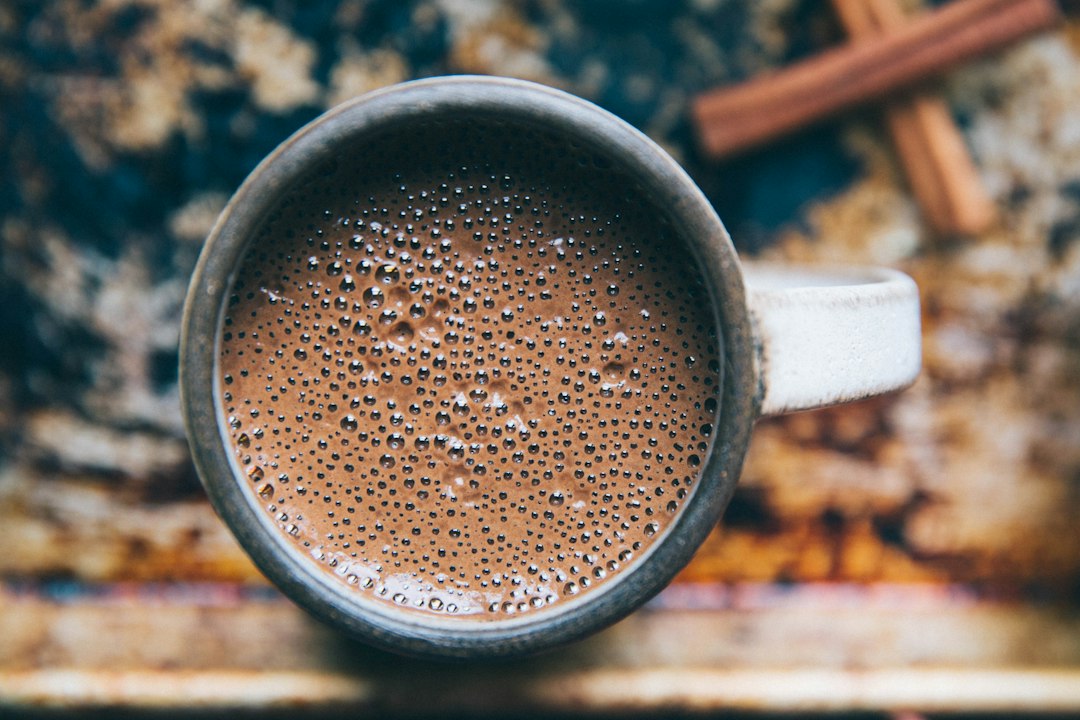
For champurrado you need masa, a dough made from nixtamalised maize, or its dried form, masa harina. Add chocolate, piloncillo, water or milk and often a cinnamon stick. Some cooks also add anise or vanilla. The maize makes the drink smooth and thick, almost like a drinkable pudding.
Traditionally, it is frothed with a molinillo, a turned wooden whisk. You roll it back and forth between your palms until the drink foams. The molinillo does not date from pre-Hispanic times: it is attributed to the Spanish around 1700. A stick blender works too.
In Mexico, champurrado is especially popular for Día de Muertos and for the posadas before Christmas. It comes with tamales or pan de muerto. Día de Muertos has been on UNESCO’s list of intangible cultural heritage since 2008. The celebration also remembers children who have died, the ‘angelitos’: toys are placed on the altars for them.
Recipe: champurrado for four cups
We converted our recipe from the champurrado by Isabel Orozco-Moore (Isabel Eats). The original makes six servings. We reduced the quantities to two thirds and converted them into grams and millilitres. It makes about four cups of 200 ml each.
- 630 ml milk
- 40 g piloncillo (or panela or dark cane sugar)
- 115 g Mexican table chocolate
- 1 cinnamon stick
- 240 ml warm water
- 40 g masa harina
- 1 to 1½ tsp vanilla extract
- 1 pinch of salt
- Warm the milk, piloncillo, chocolate and cinnamon stick over low to medium heat until the sugar and chocolate have melted. Stir often.
- Remove the cinnamon stick.
- In a bowl, stir the masa harina into the warm water until smooth.
- Add the maize mixture to the pan with the vanilla and salt and stir it in.
- Bring briefly to the boil, then simmer over low heat for 15 to 20 minutes. Stir often until the champurrado coats the back of a spoon.
- Froth with the molinillo or a stick blender and serve hot.
You can easily adjust the consistency: more water makes it thinner, more masa makes it thicker. If you prefer a classic French style to a Mexican one, see Drinking chocolate like in Paris: history and recipe for chocolat chaud.
For a successful champurrado:
- Use masa harina made from nixtamalised maize, not polenta or cornmeal, or the typical flavour will be missing.
- Stir the masa into lukewarm water until smooth before it goes into the pan, so no lumps form.
- Stay by the pan while it simmers, as the masa quickly sticks to the bottom.
- Without a molinillo, a stick blender froths the drink just as well.
- Instead of piloncillo, panela or dark muscovado work well.
Tejate from Oaxaca: maize, cocoa and a flower foam
Tejate is a cold drink from pre-Hispanic times, widespread above all among the Zapotec and Mixtec peoples. The name probably comes from the Nahuatl word for ‘floury water’. The basic ingredients are maize, cocoa, roasted mamey seeds, called pixtle, and the flowers of the rosita de cacao.
According to a study from the University of California, Santa Barbara, two cocoa species are often used: Theobroma cacao and Theobroma bicolor. The ingredients are finely ground and kneaded with water by hand. This forms a thick layer of foam, which counts as the most important sign of quality. Preparation takes two hours or more, not counting cooking the maize.
Tejateras sell tejate at markets in Oaxaca City, Zaachila and Ocotlán. San Andrés Huayápam holds a festival in its honour. The researchers also see the drink under pressure, though. Some commercial versions use industrial fats as foaming agents, and with migration, fewer households make it themselves.
Mexican chocolate: what goes into table chocolate
For champurrado, Mexicans usually use chocolate de mesa, table chocolate in tablets. It is coarse, sweet and often flavoured with cinnamon. The well-known brand Abuelita launched in 1939 and has belonged to Nestlé since 1995. According to its ingredients list, it contains vegetable fats and artificial cinnamon flavouring as well as sugar and cocoa.
So read the ingredients list if you care about cocoa rather than substitute fat. In our view, dark chocolate with a little sugar and cinnamon also works as a stopgap. How to use couverture as the base for a drink is explained in Hot chocolate made with real chocolate: ratio, temperature and four recipes.
Our recommendations
Chocolate · around €9.50
Taza Organic Super Dark 85 %, 77 g
Pros: Ground on Mexican granite mills like table chocolate, with no vegetable fat or flavouring and just two ingredients.
Cons: The cocoa comes from the Dominican Republic, and without cinnamon you need to spice your champurrado yourself.
Reference book · around €50
Margarita Carrillo Arronte: Mexico: The Cookbook (Phaidon)
Pros: More than 700 recipes from Mexican cuisine in one volume, a reference for atoles and more.
Cons: Available in English only, and at around €50 an expensive book.
Champurrado and tejate show how closely cocoa and maize are linked in Mexico. Día de Muertos on 1 and 2 November is a good reason to try this tradition with a pot of champurrado.
All prices are guide prices and may change.
All product details are based on manufacturer and retailer information; we have not tested the products ourselves.
Last updated: 24 October 2026.
Sources
- Wikipedia: History of chocolate, accessed 23 October 2026.
- Wikipedia: Champurrado, accessed 23 October 2026.
- Isabel Orozco-Moore, Isabel Eats: Champurrado Recipe (Mexican Chocolate Drink), 4 December 2024.
- Chocolate Class: On the Preparation of Champurrado: The Cultural Relevance of the Molinillo, 19 February 2016.
- Wikipedia: Day of the Dead, accessed 23 October 2026.
- Soleri, Cleveland, Aragón Cuevas, Current Anthropology: Food Globalization and Local Diversity: The Case of Tejate, 2008.
- Wikipedia: Tejate, accessed 23 October 2026.
- Wikipedia: Abuelita, accessed 23 October 2026.
- Chocolats de Luxe: Taza Super Dark 85 %, stone-ground, accessed 24 October 2026.
- eichendorff21: Mexico: The Cookbook (in German), accessed 24 October 2026.
- Lehmanns: Mexico: The Cookbook (in German), accessed 24 October 2026.
Image credits
- Mug of hot chocolate – Photo: Rachael Gorjestani / Unsplash
Our selection is editorial, there are no paid placements. Links marked * are affiliate links to Amazon Germany (amazon.de): if you buy through them, we receive a small commission at no extra cost to you. We have not tested the products ourselves; pros and cons are based on manufacturer information and retailer descriptions. Prices are guide prices from German shops as of October 2026, and prices and availability on Amazon may differ.