Craft chocolate is made by small producers who make their chocolate themselves from the cocoa bean. In Germany, Austria and Switzerland a bar usually costs €4 to €14.Well-known makers with awards, prices per bar, where to buy and tips for buying.
Supermarket shelves hold almost nothing but bars from large manufacturers. Alongside them, the German-speaking countries have a small scene of businesses that roast and grind cocoa beans themselves and turn them into bars. You are more likely to find their chocolate in the maker’s online shop, at a factory outlet or at specialist retailers.
The scene is small. In 2021 a Salzburg news portal wrote that only a handful of producers in Austria actually make bean-to-bar chocolate. Even so, some of them regularly win international medals.
What makes craft chocolate: own beans, small batches, open about origin
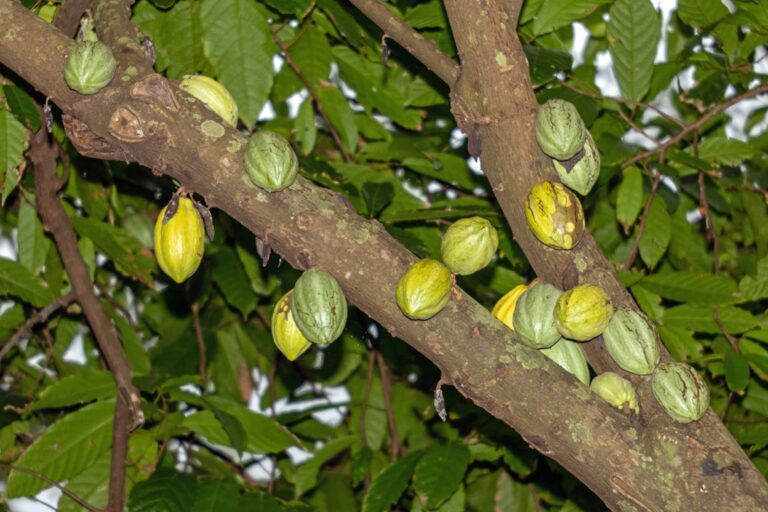
Craft chocolate is not a protected term. It usually refers to makers who work bean-to-bar, meaning they carry out every step themselves, from the fermented bean to the finished bar. How this works, from roasting to tempering, is explained in bean-to-bar: how chocolate is made.
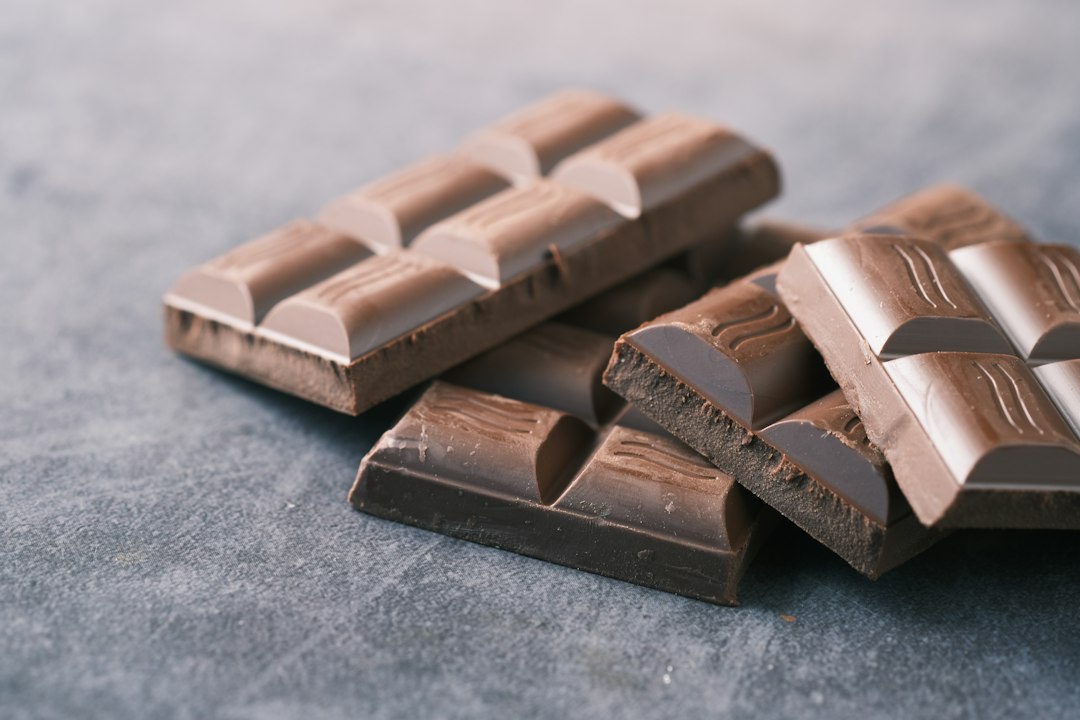
Three things are typical of the scene. The makers name the country and region of the beans, often the cooperative or farm too. They work in small batches and adjust their roast to each origin. Many dark bars contain only cocoa and sugar.
Chocolatiers are a separate group. They buy ready-made chocolate or cocoa mass and turn it into pralines and bars. That is a craft of its own, but a different one. A couple from the Tennengau area near Salzburg originally wanted to produce directly from the bean. According to the report, the effort and cost were too high and the supply sources poor, so they switched to bought-in cocoa mass.
Craft does not automatically mean small either. Zotter in Styria has worked bean-to-bar since 2007 and, by its own account, makes around 1,000 tonnes of chocolate a year. The company has around 230 employees and sources cocoa from 15 countries. Makers like the one in the Altmühltal valley, by contrast, work with beans from a single farm.
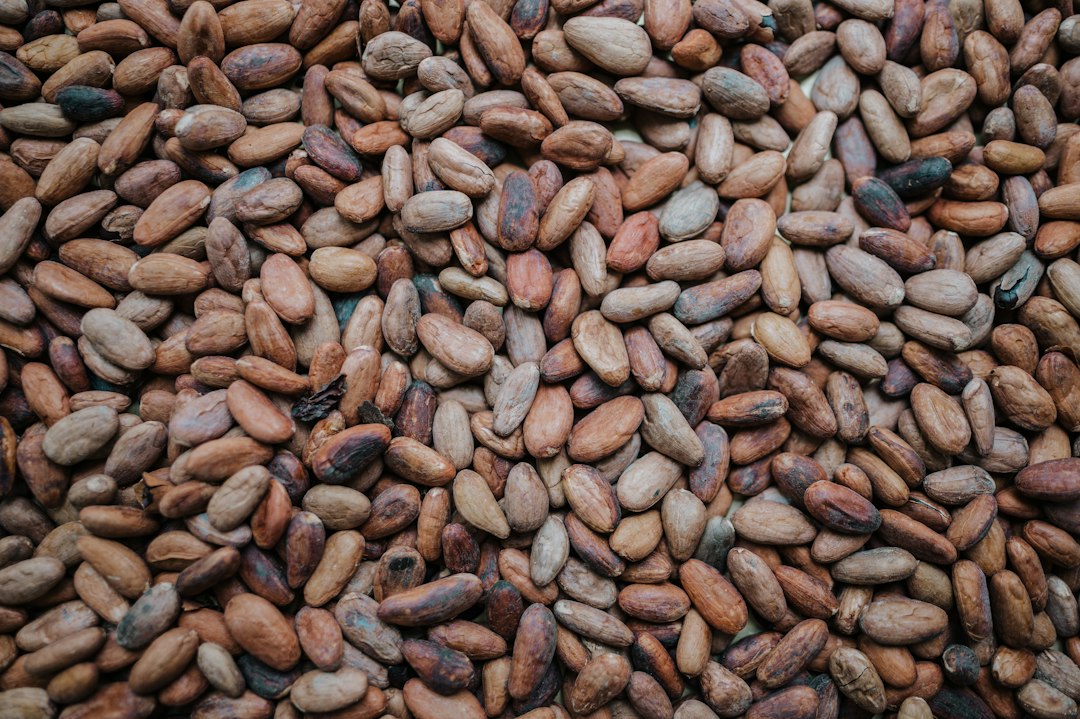
The scene in Germany, Austria and Switzerland
The table shows an editorial selection of bean-to-bar makers. The information comes from the makers themselves, from trade media and from the winners’ lists of the International Chocolate Awards. Where a founding year is missing, we found no evidence for one.
| Maker | Location | Since | What stands out |
|---|---|---|---|
| Zotter | Riegersburg, Styria | 1987 as a patisserie in Graz, bean-to-bar since 2007 | organic, cocoa from 15 countries, chocolate theatre with around 290,000 visitors a year |
| AHERZ | Neupischelsdorf near Vienna | project since 2016 | beans ground for up to 90 hours in a stone melanger, to around 20 µm |
| Martin Mayer Schokoladen | Meggenhofen, Upper Austria | not stated | cocoa ground for 96 hours in a stone mill, bars with regional fruit |
| Georgia Ramon | Soest, founded in Bonn | 2015 | beans and cocoa butter certified organic, beans via traders and partly direct from plantations |
| Dos Estaciones | Beilngries, Altmühltal | producing since 2020 | cocoa direct from one farm near Chazuta in Peru |
| Meybol Cacao | Hamburg | not stated | founder from Peru, the chocolate is made in a factory in Peru |
| Garçoa | Zurich | 2016 | beans from five partners, dark bars with only two ingredients |
| Orfève | Geneva | not stated | origins from Peru, Madagascar and Grenada |
The winners’ lists of the European bean-to-bar round include more German names. In 2019 and 2022, Kilian & Close, Edelmond, Pott au Chocolat, LOMI Schokolade and Schell Schokoladen were among the medal winners. For some bars, the list explicitly names a different maker as the producer, for example with own brands.
Many makers work with fine flavour cocoa from Latin America. What lies behind names such as Criollo, Chuncho or Nacional is explained in cocoa varieties: Criollo, Forastero and Trinitario.
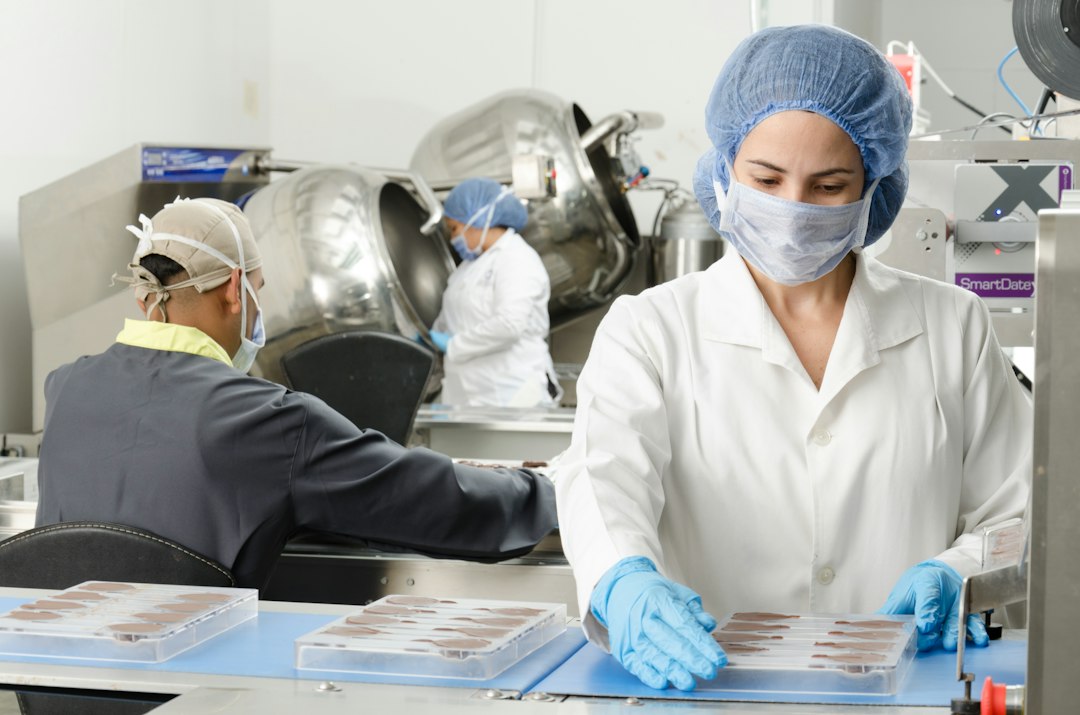
Makers you should know
We have not tasted the bars ourselves. Our selection is based on documented awards and expert judgements. These are above all medals from the International Chocolate Awards and the Academy of Chocolate in London, plus published blind tastings. There are no paid placements.
The prices come from the makers’ shops or from specialist retailers, as of October 2026. We converted Swiss francs at the ECB rate of 22 October 2026 (€1 = CHF 0.9211).
Four makers in profile
around €4.30 per bar
AHERZ
What stands out: According to the maker, ICA gold in the round for Germany, Austria and Switzerland and silver in the world final in 2023. Bronze from the Academy of Chocolate in 2025. Two silver and four bronze medals in the 2021/22 European round.
Worth knowing: Bar weight not stated in the shop, sold mainly online, at the farm and at markets.
around €7.90 (about 54 g)
Dos Estaciones
What stands out: Gold at the ICA 2021/22 for a 60 % bar with Basque chilli and rosemary, bronze for an 85 % bar from a single farm.
Worth knowing: Small bar, around €14.60 per 100 g by our calculation, cocoa from only one origin in Peru.
around €4.40 (65 g)
Zotter
What stands out: Ninth of 45 dark bars in the 2025 Feinschmecker blind tasting, organic and Fairtrade, EU Organic Award 2026.
Worth knowing: At around 1,000 tonnes a year more of a large business than a small maker, no medal in the ICA lists we checked.
around €12.50 to €13.50 (converted)
Garçoa
What stands out: Bronze at the ICA 2021/22 for Idukki 78 % organic, dark bars with only two ingredients.
Worth knowing: Expensive, around €14.70 per 100 g in the box of six by our calculation, weight of a single bar not stated in the shop.
Two well-known names are deliberately missing. Meybol Cacao from Hamburg has won several awards but has its bars made in Peru. Georgia Ramon only mentions its awards in general terms, without year or medal.
Reading medals properly: what awards tell you
The International Chocolate Awards have existed since 2012. Their founders include the chef and author Maricel Presilla and Martin Christy, who is named as head of judging. According to the organisers, Christy has around 30 years of experience tasting fine chocolate and cocoa.
The judges taste blind and score independently. First they note whether they like a bar, and only then do they rate complexity, balance and originality. The individual scores are combined statistically into an overall score. Regional rounds, such as those for Europe or for Germany, Austria and Switzerland, lead to a world final.
There is criticism too. In July 2026 the US author Clay Gordon wrote that there are no generally recognised standards for training and judging at competitions. He also criticises the fact that the awards and the associated tasting school are run privately by a small group.
For you, this means that a medal always applies to a specific bar in a specific category and year. It does not reward the whole range. Gold for a bar with chilli says little about the same maker’s plain single-origin bar.
A tasting by the German magazine Der Feinschmecker in autumn 2025 was broader. Seven judges tasted 45 dark bars with around 70 per cent cocoa and rated appearance, snap, aroma, melt and flavour. The first two places went to a young maker from Thailand, and Zotter was the only Austrian maker in the top ten.
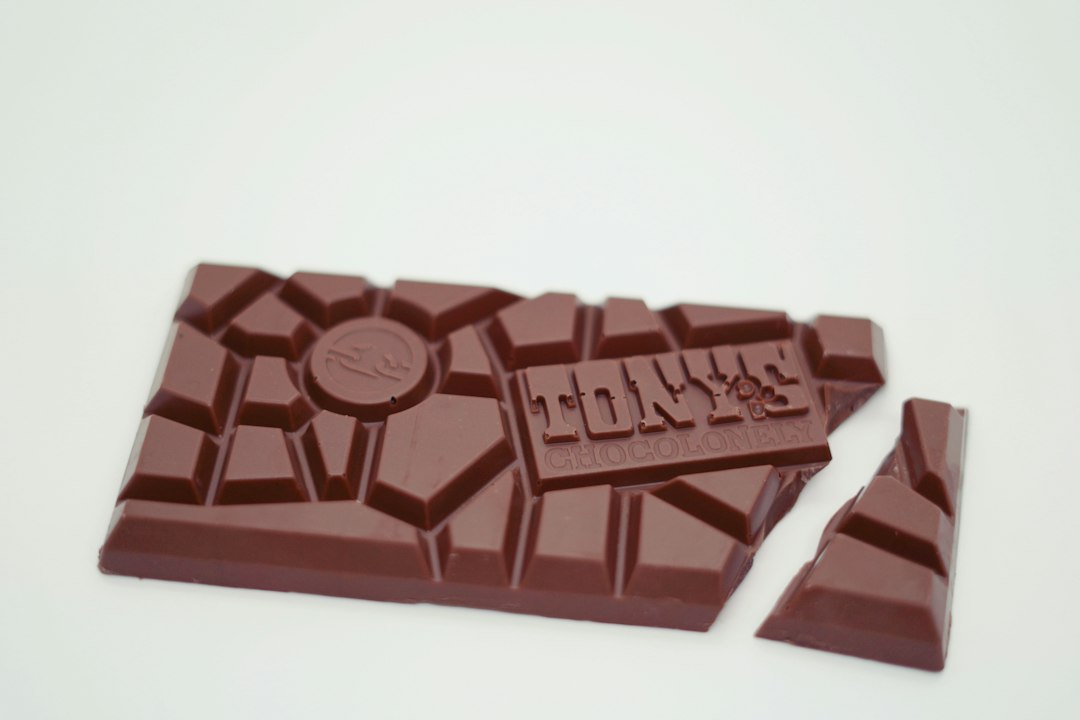
Prices: what a bar of craft chocolate costs
Bars come in different sizes, and many weigh 50 to 70 g. The best way to compare them is therefore the price per 100 g. The table shows examples from the makers’ shops and from specialist retailers. Austrian shops charge 10 per cent VAT.
| Maker | Example | Price | Per 100 g |
|---|---|---|---|
| Zotter | Labooko 70 %, 65 g | €4.39 | around €6.75 |
| AHERZ | dark bars, weight not stated | €4.30 | not stated |
| Dos Estaciones | dark 70 %, around 54 g | €7.90 | €14.63 |
| Meybol Cacao | single-origin bars, 70 g | €8.90 to €18.50 | around €12.70 to €26.40 |
| Georgia Ramon | dark organic bars, 50 g | €9.90 to €11.80 | €19.80 to €23.60 |
| Garçoa | Origin Collection, 6 bars of 85 g each | CHF 69, roughly €74.90 (our conversion) | around €14.70 |
| Orfève | dark single-origin bars, weight not stated | CHF 10.30 to CHF 11.40, roughly €11.20 to €12.40 (our conversion) | not stated |
We took the prices per 100 g from the shops’ unit prices or calculated them ourselves. They show a range from under €7 to over €26. In this selection, rare origins and bars with 90 per cent cocoa are the most expensive.
Part of the price lies in the supply chain. Many makers buy their beans directly or through specialist traders and promise the farmers fair prices. What direct trade and labels achieve here is explained in Fairtrade, organic, Direct Trade: what labels guarantee.
Where to buy craft chocolate and what to look for
Almost all the makers in our selection sell through their own online shop. There are also factory outlets and tours. Zotter runs a chocolate theatre in Riegersburg, while AHERZ, Dos Estaciones and Garçoa offer tours, tastings or workshops. AHERZ also sells at the farm and at markets.
In bricks-and-mortar shops, you will mainly find craft chocolate in delicatessens and at specialist fine chocolate retailers, who often ship too. Dos Estaciones and Orfève list their stockists on their websites.
How to recognise bean-to-bar on the shelf and what the mandatory cocoa content statement means is explained in the article on how chocolate is made. Two more points apply. Check whether the maker explicitly roasts and grinds itself or only processes ready-made cocoa mass. With medals, check the year, the competition and the bar that won.
A small selection is enough to start with. Take one bar from a maker with many medals and one from a larger company’s standard range. Taste both slowly and compare what the origin information told you about the flavour.
Last updated: 24 October 2026.
Sources
- Salzburg24: Schokolade gibt’s auch ohne schlechtes Gewissen (in German), 24 November 2021.
- Zotter Schokolade (maker’s information): Biography, accessed 24 October 2026.
- AHERZ Schokolade & Kakao (maker’s information): Homepage, awards and FAQ (in German), accessed 24 October 2026.
- AHERZ Schokolade & Kakao (maker’s information): Shop (in German), accessed 24 October 2026.
- Christina Wetter-Nohl, 1000things: Tag der Schokolade: 8 feine österreichische Schokoladenmanufakturen (in German), 7 July 2026.
- Georgia Ramon (maker’s information): Über uns (in German), accessed 24 October 2026.
- Georgia Ramon (maker’s information): Homepage and shop (in German), accessed 24 October 2026.
- Dos Estaciones (maker’s information): Homepage and shop (in German), accessed 24 October 2026.
- Dos Estaciones (maker’s information): Über uns (in German), accessed 24 October 2026.
- Chocolats de Luxe (retailer’s information): Meybol Cacao, accessed 24 October 2026.
- Garçoa Chocolate (maker’s information): Homepage and shop, accessed 24 October 2026.
- Orfève (maker’s information): Homepage and e-boutique, accessed 24 October 2026.
- fromAustria (retailer’s information): Zotter Labooko Milk Chocolate 70% Dark, 65 g, accessed 24 October 2026.
- International Chocolate Awards: European, Middle Eastern and African Bean-to-bar Competition 2019: Winners, 30 July 2019.
- International Chocolate Awards: European, Middle Eastern and African Bean-to-bar Competition 2020: Winners, 4 October 2020.
- International Chocolate Awards: European, Middle Eastern and African Bean-to-Bar Competition 2021-22: Winners, 21 June 2022.
- International Chocolate Awards: About us, last modified 3 May 2023.
- Clay Gordon, The Chocolate Life: Chocolate Education, Evaluation & Competition Judging (PSC 218), 19 July 2026, updated 24 July 2026.
- Tageskarte: Bean-to-Bar dominiert: Feinschmecker kürt die Top-Schokoladen 2025 (in German), 16 October 2025.
- Deutsche Bundesbank: Euro-Referenzkurse der EZB (in German), rate of 22 October 2026.