An espresso has around 80 mg of caffeine, a cup of filter coffee around 90 mg, and with cold brew the recipe decides.Guide values per drink, measurements from cafés, robusta and roast level, and the EFSA and BfR reference values.
Espresso seems like the strongest coffee because it tastes so concentrated. Per serving, though, its caffeine is about level with a cup of filter coffee. The reason is the volume. Espresso is denser, but the filter cup is much bigger.
The figures in the opening sentence are averages from the Bundesinstitut für Risikobewertung (BfR, Germany’s Federal Institute for Risk Assessment). In a café, the same drink can contain several times as much. The amount of ground coffee, the bean and the size of the serving have the biggest influence. The roast level changes little.
Our selection is editorial, there are no paid placements. Links marked * are affiliate links to Amazon Germany (amazon.de): if you buy through them, we receive a small commission at no extra cost to you. We have not tested the products ourselves; pros and cons are based on manufacturer information and retailer descriptions. Prices are guide prices from German shops as of October 2026, and prices and availability on Amazon may differ.
Caffeine per cup: the guide values compared
The BfR gives approximate values per serving for common drinks. It points out itself that the content varies. So that you can compare the drinks directly, we have also converted the values to 100 millilitres.
| Drink | Serving | Caffeine (BfR) | per 100 ml (converted) |
|---|---|---|---|
| Filter coffee | 200 ml | 90 mg | 45 mg |
| Espresso | 60 ml | 80 mg | around 133 mg |
| Energy drink | 250 ml | 80 mg | 32 mg |
| Black tea | 200 ml | 45 mg | around 23 mg |
| Green tea | 200 ml | 30 mg | 15 mg |
| Cola | 330 ml | 35 mg | around 11 mg |
| Cocoa drink | 200 ml | 8 to 35 mg | 4 to 17.5 mg |
So per sip, espresso is far ahead, and per serving it is just behind filter coffee. In Germany, energy drinks have a maximum of 320 milligrams per litre. That gives the 80 milligrams per can.
Decaffeinated coffee is not entirely free of caffeine. A US measurement found between 0 and 13.9 milligrams in cups of around 473 millilitres. A decaf espresso there contained 3.0 to 15.8 milligrams. The samples came from a few cafés in one city.
Espresso: dense in flavour, variable in caffeine
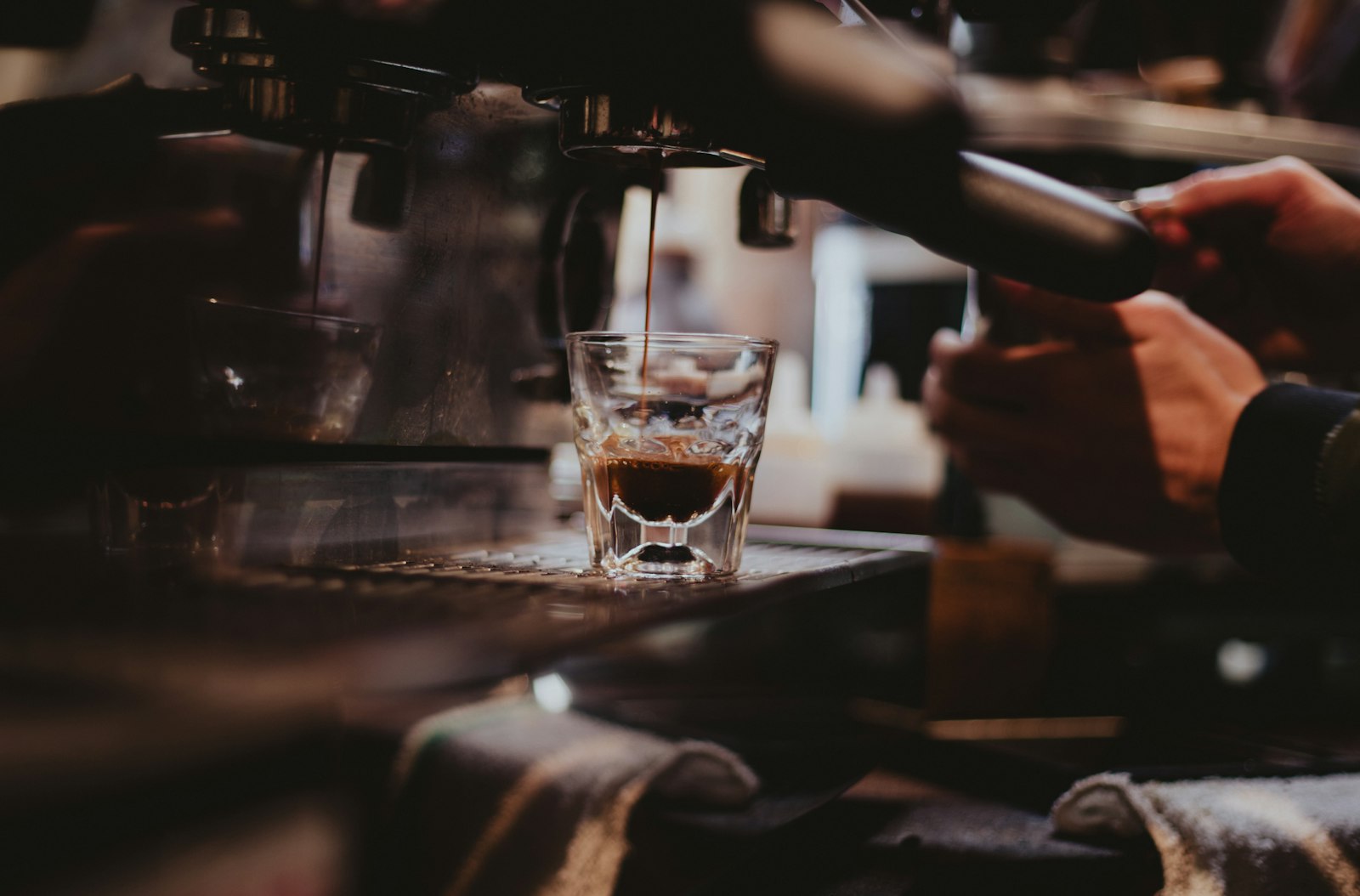
Per millilitre, an espresso has around three times as much caffeine as filter coffee (our calculation from the BfR values). Because the serving is small, you still drink a little less caffeine than with a cup of filter coffee. A double espresso needs about twice as much ground coffee. Correspondingly more caffeine ends up in the cup.
A team at the University of Glasgow measured how far cafés deviate from the guide value. It bought 20 espressos in 20 cafés in the city. The weakest contained 51 milligrams of caffeine, the strongest 322 milligrams. The servings ranged from 23 to 70 millilitres. The researchers suspect the main reason is the different amount of coffee per shot.
Two years later, the same group compared 104 espressos from Glasgow, Parma and Pamplona. Each café was visited four times within three weeks.
| City | Samples | Caffeine per espresso | Median caffeine | Median volume |
|---|---|---|---|---|
| Glasgow | 32 | 66 to 276 mg | 100 mg | 31 ml |
| Parma | 40 | 54 to 150 mg | 102 mg | 20 ml |
| Pamplona | 32 | 82 to 139 mg | 116 mg | 66 ml |
On average, the three cities were close together. Values varied most between cafés in Glasgow. A cappuccino there had a median of 180 milligrams, with individual values of 85 to 311 milligrams. The study has limits. Purchases were made in only a few city-centre cafés, and the authors themselves call the selection unrepresentative.
Filter coffee: the cup size decides
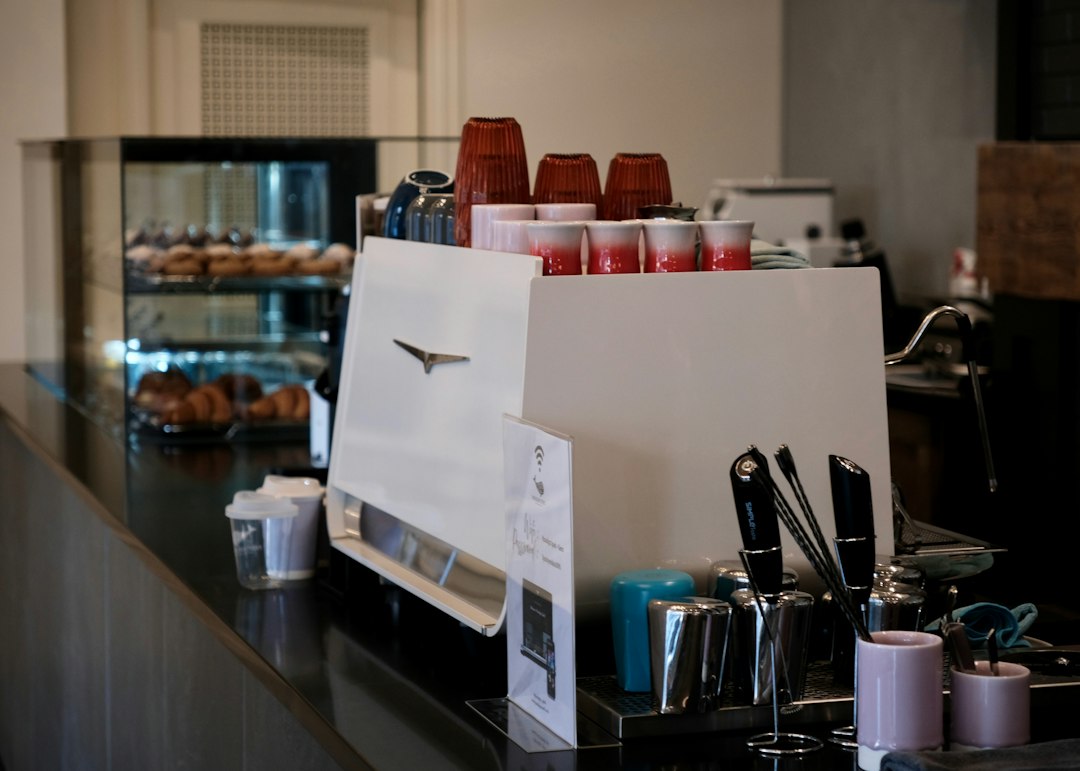
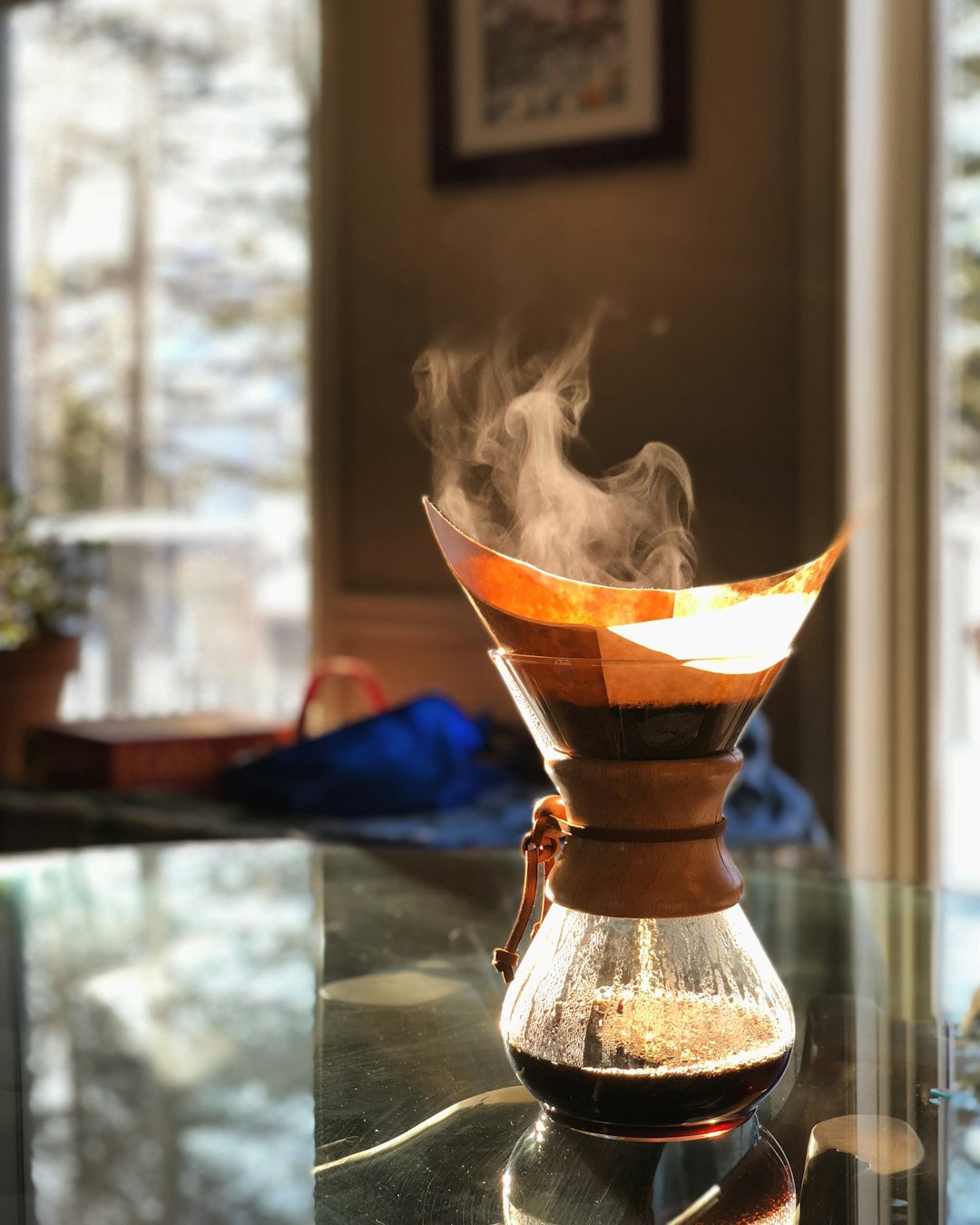
In filter coffee, the caffeine is spread over a lot of water. For a 200-millilitre cup, the BfR gives around 90 milligrams. By this calculation, a large 400-millilitre mug would come to around 180 milligrams. That is already close to 200 milligrams, the single dose the EFSA considers safe for healthy adults.
Here too the content varies widely. In 2003, researchers at the University of Florida bought brewed coffee in cups of around 473 millilitres from several US chains. The values ranged from 143 to 259 milligrams. At one branch they measured the same coffee on six consecutive days. The results came to 259 to 564 milligrams.
The measurement is old and comes from a different market. Even so, it shows how little a cup size tells you about caffeine. What matters is how much ground coffee goes into how much water.
Cold brew: the recipe matters more than the brew time
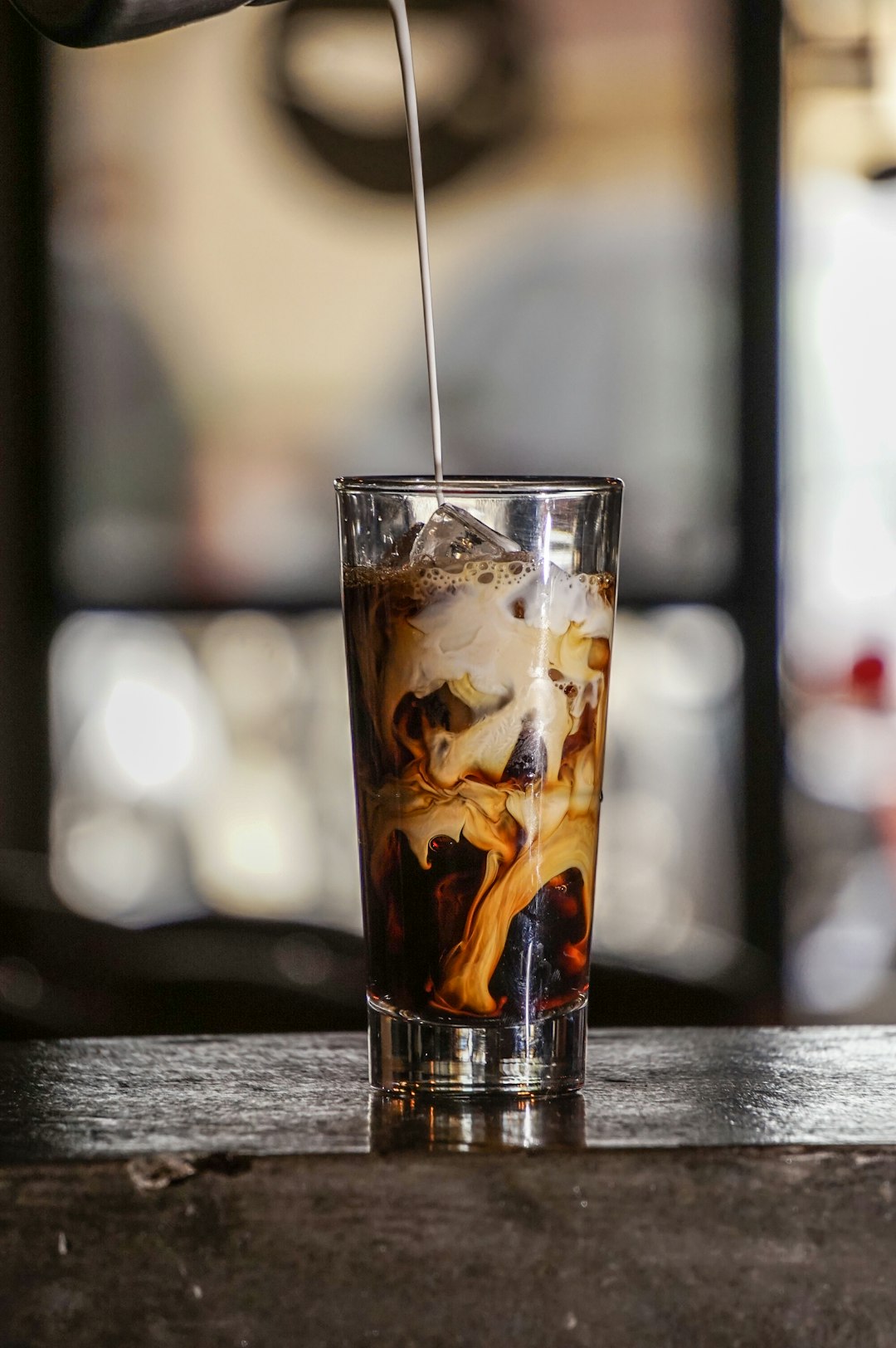
For cold brew, coarsely ground coffee steeps for many hours in cold or room-temperature water. That is why it has a reputation for being especially strong. Two researchers in the US tested this in 2017. They used 35 grams of coffee to 350 millilitres of water. They compared cold brew after 24 hours with hot-brewed coffee after 6 minutes.
| Roast, grind size | Cold brew | hot brewed |
|---|---|---|
| medium, medium | 1,180 mg/l | 1,040 mg/l |
| medium, coarse | 1,230 mg/l | 970 mg/l |
| dark, medium | 1,080 mg/l | 1,060 mg/l |
| dark, coarse | 990 mg/l | 840 mg/l |
With a medium grind, the difference was not statistically significant. Only with a coarse grind was cold brew clearly ahead. In 6 minutes, hot water has too little time to dissolve the caffeine from large particles. In the cold brew, most of the caffeine had already dissolved after 6 to 7 hours. Only one arabica from Hawaii was tested, and the researchers could not control the grind size precisely.
So how much caffeine ends up in your glass depends on the concentrate and the dilution. One litre of the concentrate from the study contained 990 to 1,230 milligrams. If you dilute it 1:1 with water or milk, 200 millilitres come to around 100 to 125 milligrams. Undiluted it would be around 200 to 245 milligrams (all our calculations).
Melting ice dilutes it further. Because cold brew often comes in a large glass, you can still quickly drink more than with a cup of filter coffee. How to make your own batch is shown in our cold brew guide.
Bean and roast: robusta matters more than roast level
With the same amount of ground coffee, the coffee species makes the biggest difference. Robusta, botanically Coffea canephora, contains about twice as much caffeine as arabica. The Glasgow researchers say so, and an analysis of twelve green coffee extracts found the same ratio. Robusta is often used in espresso blends, partly because of the crema.
If the pack says robusta or canephora, it is best to assume more caffeine. How the two species differ in other ways is explained in our guide arabica or robusta.
Two assumptions about roast level persist. One is that dark roasts are stronger, the other that caffeine burns off during roasting. Neither is quite right. In roasting experiments by the Glasgow group in 2014, caffeine stayed stable, while chlorogenic acids fell by around 90 per cent.
Small differences arise when measuring. Dark beans lose more mass during roasting and are less dense. So they contain slightly more caffeine per gram, but a measuring spoon holds fewer grams. The trade magazine Sprudge quotes lab values with a gap of around 32 per cent by weight and around 9 per cent by spoon. For cafés or your kitchen, these are only rough pointers. Roast level mainly changes the flavour, more on that in light, medium and dark roast.
How much per day: the EFSA and BfR reference values
In 2015, the European Food Safety Authority (EFSA) assessed which amounts of caffeine are safe for healthy people. The BfR gives the same values. They do not apply to people with medical conditions. Nor do they apply in combination with medication or a lot of alcohol.
| Group | Reference value | Source |
|---|---|---|
| Healthy adults, at one time | up to 200 mg, about 3 mg per kg of body weight | EFSA, BfR |
| Healthy adults, per day | up to 400 mg spread over the day, about 5.7 mg per kg | EFSA, BfR |
| Pregnant and breastfeeding women | up to 200 mg per day | EFSA, BfR |
| Children and adolescents | 3 mg per kg of body weight per day | EFSA, BfR |
| Sleep | even 100 mg (about 1.4 mg per kg) can affect sleep duration and sleep patterns in some adults, especially shortly before bedtime | EFSA |
Using the BfR guide values, 400 milligrams equals around four and a half cups of filter coffee or five espressos (our calculation). The café measurements show how rough such conversions are. At 322 milligrams, the strongest espresso from Glasgow was above the single dose of 200 milligrams. Four of the 20 espressos on their own already exceeded the daily value for pregnant women.
The reference values are based on studies with many people. How sensitive you are yourself may differ. How long caffeine keeps working and when to have your last cup is covered in our article caffeine and sleep.
Our recommendations
Coffee scales · around €40 to €45
Timemore Black Mirror Basic 2 (up to 2 kg)
Pros: Shows ground coffee and water to a tenth of a gram, so you can repeat any recipe. Built-in timer and flow rate display, battery lasts around 24 hours according to the manufacturer, silicone mat for hot pots included.
Cons: Can’t be used while charging, and according to the manual fast chargers are off limits. The housing and charging port must stay dry, and the scales are not calibrated for commercial use.
Coffee maker · around €37 to €45
AeroPress Original (2023 model)
Pros: You decide the amount of coffee and water, and so how strong the cup will be. Brewing and cleaning take around 2 minutes, according to the manufacturer.
Cons: Each brew only makes 1 to 2 cups. The body is plastic and, according to the manufacturer, only goes in the top rack of the dishwasher.
Hand grinder · around €205 to €225
Comandante C40 MK4 Nitro Blade, Alpine Lagoon
Pros: According to the retailer, suitable for every brew method from espresso to French press. For AeroPress and French press it gives 25 to 30 clicks as a starting point, for espresso 8 to 15.
Cons: For fine espresso adjustment, the retailer recommends an add-on part sold separately. Not dishwasher-safe.
Our selection is editorial, there are no paid placements. Links marked * are affiliate links to Amazon Germany (amazon.de): if you buy through them, we receive a small commission at no extra cost to you. We have not tested the products ourselves; pros and cons are based on manufacturer information and retailer descriptions. Prices are guide prices from German shops as of October 2026, and prices and availability on Amazon may differ.
For everyday use, the guide values work as a rule of thumb. An espresso and a cup of filter coffee are close together, and with cold brew the recipe decides. In a café, the same order can contain considerably more or less caffeine.
All product details are based on manufacturer and retailer information, and we have not tested the products ourselves.
Last updated: 24 October 2026.
Sources
- Bundesinstitut für Risikobewertung (BfR): Fragen und Antworten zu Koffein und koffeinhaltigen Lebensmitteln, einschließlich Energy Drinks (in German), as of 5 January 2026.
- European Food Safety Authority (EFSA): Caffeine (topic page on the opinion of 27 May 2015), accessed 24 October 2026.
- European Food Safety Authority (EFSA): EFSA explains risk assessment: Caffeine, 2015.
- Crozier, T. W. M.; Stalmach, A.; Lean, M. E. J.; Crozier, A., Food & Function: Espresso coffees, caffeine and chlorogenic acid intake: potential health implications, 2012.
- Ludwig, I. A. et al., Food & Function: Variations in caffeine and chlorogenic acid contents of coffees: what are we drinking?, 2014.
- University of Florida Health (McCusker, Goldberger, Cone, Journal of Analytical Toxicology 27): UF study finds specialty coffee’s caffeine content capricious, 2003.
- McCusker, R. R. et al., Journal of Analytical Toxicology, PubMed: Caffeine content of decaffeinated coffee, 2006.
- Fuller, M.; Rao, N. Z., Scientific Reports 7:17979: The Effect of Time, Roasting Temperature, and Grind Size on Caffeine and Chlorogenic Acid Concentrations in Cold Brew Coffee, 21 December 2017.
- Jeszka-Skowron, M. et al., European Food Research and Technology 242: Chlorogenic acids, caffeine content and antioxidant properties of green coffee extracts: influence of green coffee bean preparation, 2016.
- Sprudge, Nick Cho: Does Dark Roast Coffee Really Have More Caffeine?, 5 April 2019.
- Coffee Circle (shop): Timemore Black Mirror Basic 2, €42.70 incl. VAT, accessed 24 October 2026.
- Kaffeemacher (shop): AeroPress, the Original, incl. 100 filters, €36.90, accessed 24 October 2026.
- Günter Coffee Roasters (shop): AeroPress Kaffeebereiter-Set (Modell 2023), €44.90, accessed 24 October 2026.
- AeroPress (manufacturer): AeroPress Coffee Maker, Original, accessed 24 October 2026.
- Kaffeemacher (shop): Comandante C40 MK4 Nitro Blade hand grinder, Alpine Lagoon, €222.00, accessed 24 October 2026.
- Geizhals, price comparison (including Aromatico, Coffee Circle, Moba Coffee): Comandante C40 MK4 Nitro Blade alpine lagoon, €204.85 to €225.00 (in German), prices as of 24 October 2026, accessed 24 October 2026.