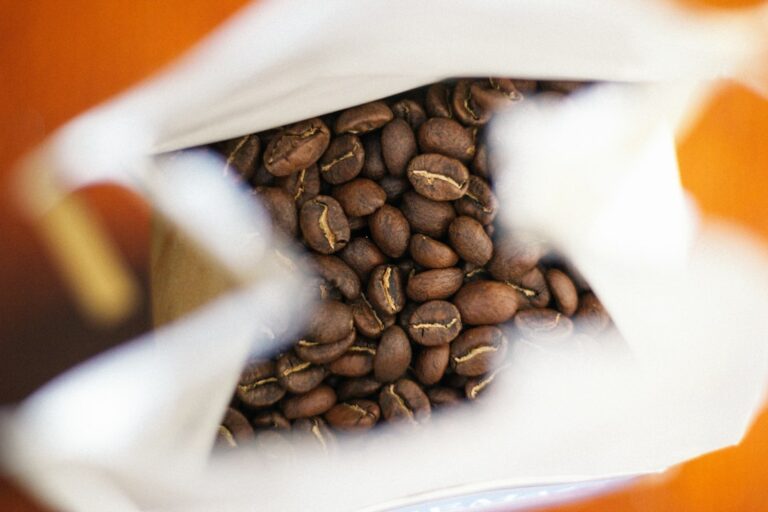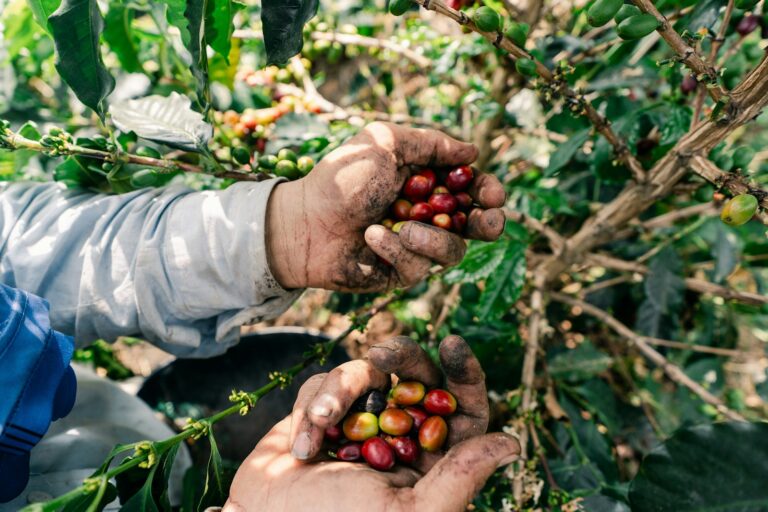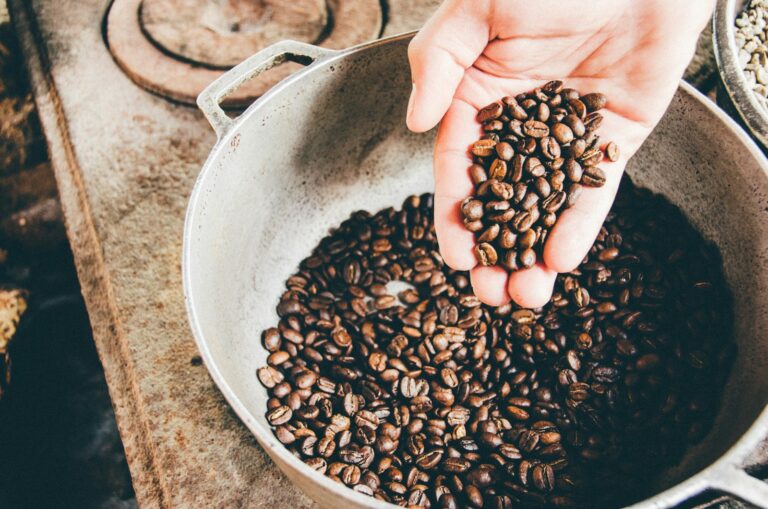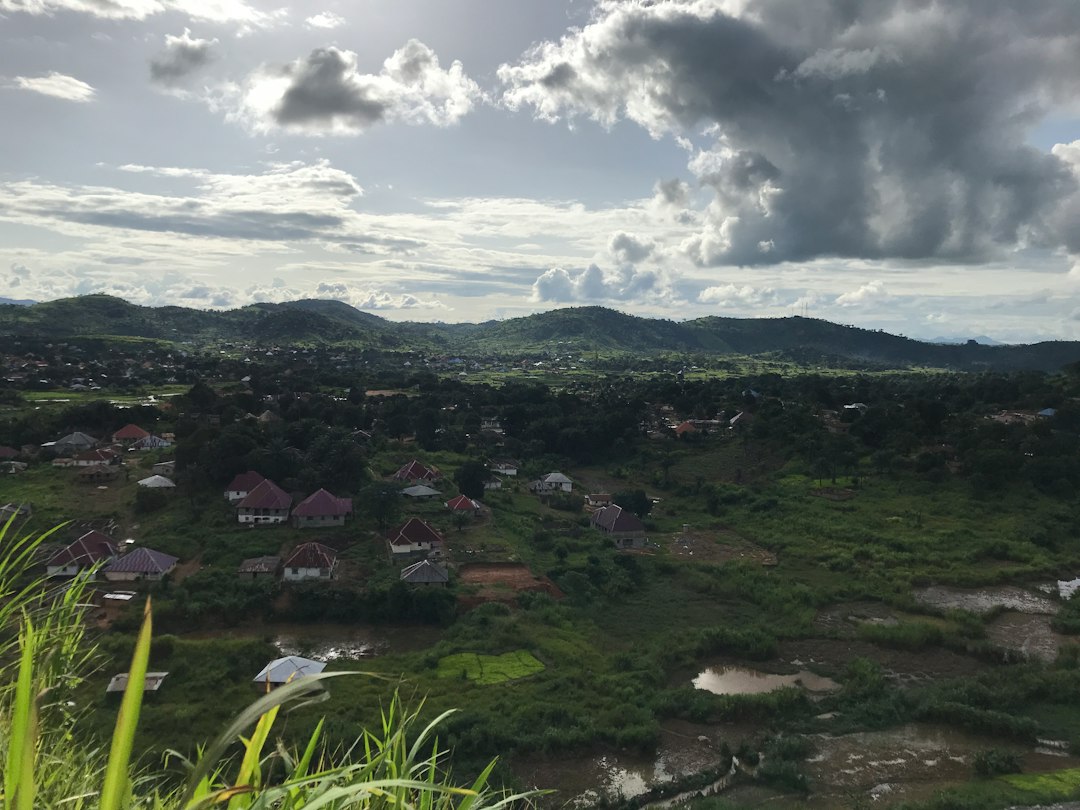
In tastings, stenophylla is similar to good arabica and tolerates far more heat. As of autumn 2026, though, you cannot buy it yet.History and rediscovery, tasting, heat tolerance and the state of the trial plots in 2026.
Almost all coffee on sale comes from two species, arabica and robusta. How they differ is explained in arabica or robusta. Alongside them, many wild coffee species grow in Africa that hardly anyone cultivates.
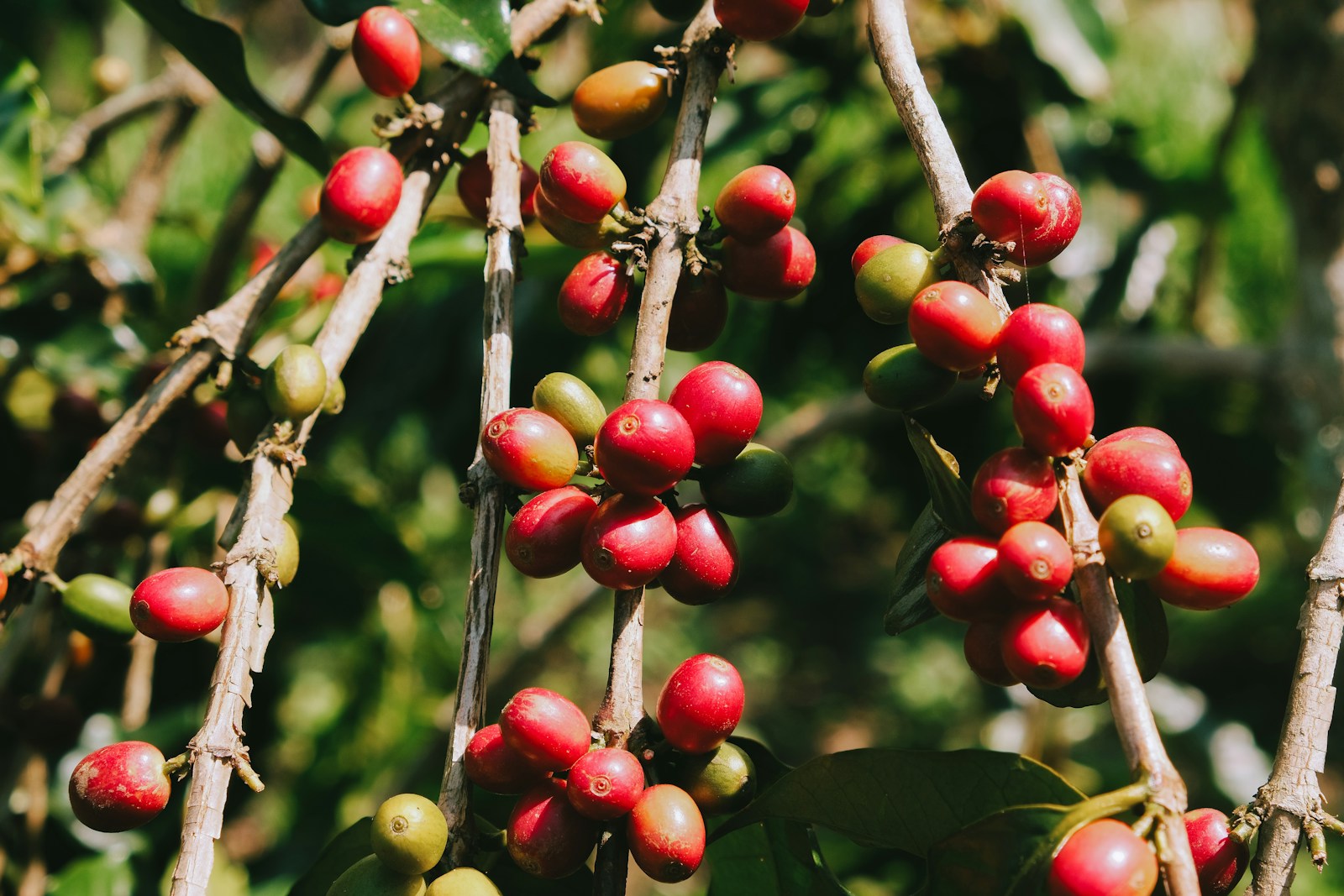
Coffea stenophylla is one of them. It comes from Guinea, Sierra Leone and Côte d’Ivoire and is listed as threatened on the Red List. Since 2021 a research project in Sierra Leone has been testing whether it can become a crop again.
History: traded, forgotten, found again in 2018
The species is not new. According to a 2020 review by the Kew researchers, the botanist Adam Afzelius mentioned it as early as 1794. In 1834 it was described scientifically. In the 1890s it was grown in larger quantities in Sierra Leone.
The trade never became large. In 1929 the botanist Auguste Chevalier estimated exports from Sierra Leone and Guinea at 3,000 to 5,000 kg a year. Low yields and small beans stood in the way of wider cultivation. Robusta yielded more, was cheaper and resisted coffee leaf rust, a fungal disease.
| Year | Event |
|---|---|
| 1794 | first mention by Adam Afzelius in Sierra Leone |
| 1834 | scientific description |
| 1890s | cultivation in Sierra Leone, small exports |
| 1954 | last wild record in Sierra Leone (Kasewe Hills) |
| December 2018 | a single young plant in the Kasewe Hills |
| 2018 to 2020 | small population in the Kambui Hills near Kenema |
| 2021 | study on flavour and heat in Nature Plants |
| 2022 | planting on eight trial plots |
| January 2026 | first flower buds on four plots |
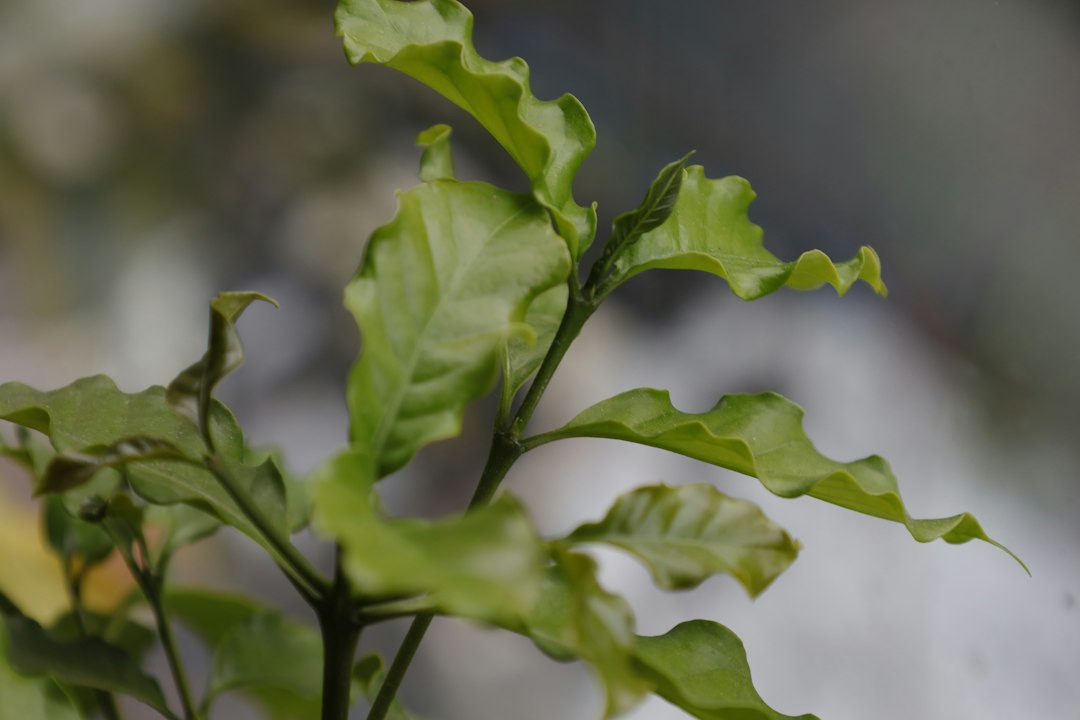
The last wild record in Sierra Leone dates from 1954. In December 2018 the team from Kew and Sierra Leone found a single plant in the Kasewe Hills. It was young and bore neither flowers nor fruit. Shortly afterwards came a small population in the Kambui Hills near Kenema, with trees up to 7 m tall.
There, logging and small-scale gold mining threaten the populations. A known site in Côte d’Ivoire, the Ira forest, was largely destroyed around 2008.
Flavour: often mistaken for arabica in blind tastings
The first cups were brewed in summer 2020. A London roastery scored a small sample from Sierra Leone at 80.25 points under the Specialty Coffee Association protocol. From 80 points, coffee counts as specialty. How such a scoring works is shown in cupping at home.
In December 2020 a blind tasting followed at the sensory lab of the French agricultural research centre CIRAD in Montpellier. The stenophylla came from a gene bank on Réunion and originally from Côte d’Ivoire. Alongside it were two arabicas from Ethiopia and Brazil and a robusta from Indonesia. The experts were asked whether they thought the sample was arabica.
| Sample | Quality according to the study | taken for arabica |
|---|---|---|
| Arabica, Ethiopia | high | 98 % |
| Stenophylla, Côte d’Ivoire | wild plants, simply processed | 81 % |
| Arabica, Brazil | medium | 44 % |
| Robusta, Indonesia | high | 7 % |
At the same time, 47 % said they tasted something new. The aroma of the ground coffee was reminiscent of washed arabica from Africa, for example from Rwanda. Sweetness and fruity acidity were praised. The beans came from randomly selected wild plants, and coffee from farms has not yet been tasted.
The chemistry of the green beans also resembles arabica. An analysis of 26 samples in 2025 found similar values for caffeine, sucrose, citric acid and trigonelline. What was new was theacrine, a relative of caffeine. Stenophylla is the first coffee species in which it has been found. Its role in the cup has not been studied.
Heat: just under 25°C as an annual mean
The 2021 study compared temperatures at the wild sites. Stenophylla grows at an annual mean of 24.9°C. That is 6.2 to 6.8°C more than arabica and 1.9°C more than robusta. Textbooks often give 18 to 21°C for arabica and 22 to 26°C for robusta.
| Species | Annual mean according to the 2021 study | Wild home |
|---|---|---|
| Arabica | around 19°C | mountain forests of Ethiopia, 1,600 to 2,800 m |
| Robusta | around 23°C | lowland forests of Central Africa |
| Stenophylla | 24.9°C | West Africa, around 150 to 610 m |
This matters for the market. According to the US Department of Agriculture forecast for 2026/27, around 56 per cent of the world harvest is arabica (our calculation). On 2 October 2026, arabica on the futures market cost around €5.68 per kilo (converted), robusta around €3.10. A coffee with arabica flavour for warm lowlands would therefore be worth a lot.
Robusta is also less heat-tolerant than long thought. In 2020 an analysis of almost 800 farms found the best yields at an annual mean of 20.5°C. Yield data like these do not yet exist for stenophylla. The temperatures at the wild sites say nothing about how much a shrub yields under cultivation.
Trial plots in Sierra Leone: it does not work without shade
Since 2021 the organisation Coffee Culture Sierra Leone has run a community nursery. Partners are Kew, the University of Greenwich and Welthungerhilfe, and a green coffee trading house funds the project. The aim is production on the scale of the late 19th century and extra income for farmers.
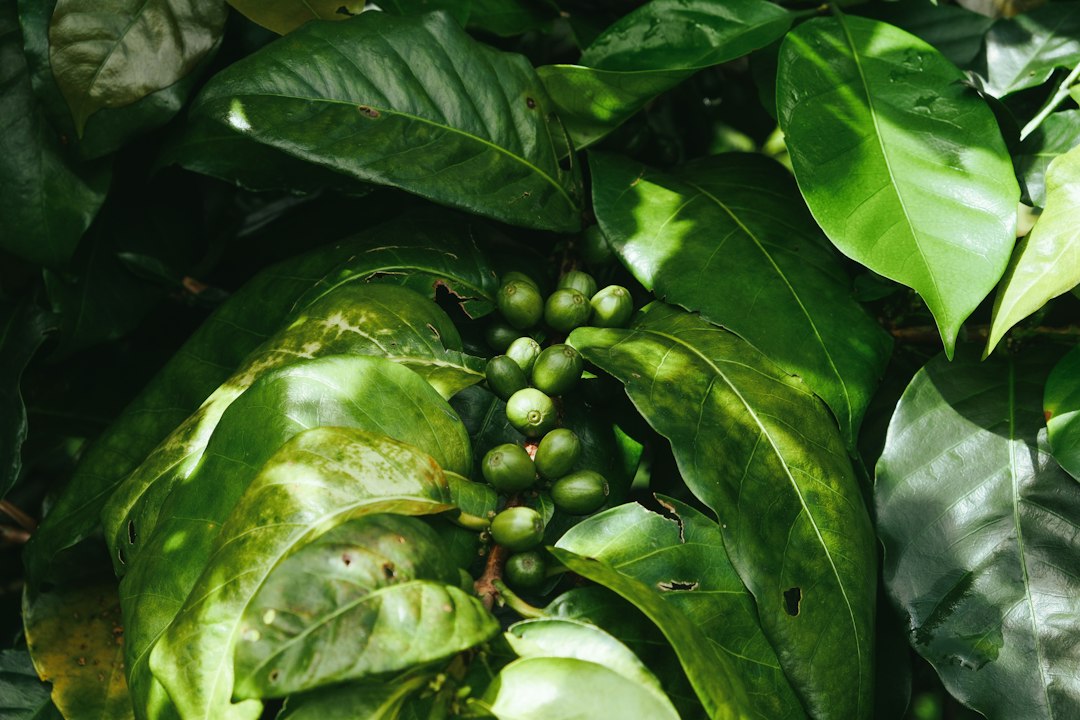
A short report for a coffee conference in October 2026 shows how the plants are coping in the field. Seedlings from wild seed went onto eight plots in 2022, with 100 to 200 plants each. The plots lie at 143 to 419 m and have 10 to 80 % canopy cover. From January to April 2024, the thermometer rose above 40°C on 59 days.
| Canopy cover | Survival after 2 years | Growth |
|---|---|---|
| around 10 % | 35 % | stalling or declining |
| 35 to 55 % | no individual figures given | best |
| around 80 % | 85 to 95 % | slower than with medium shade |
The researchers recommend around 80 % shade at first and 40 to 50 % later. On the best plots, the plants averaged 85 cm in height after two years, without fertiliser. On one heavily shaded plot, around a third of the plants lost leaves to coffee leaf rust. The results come from an abstract, and the full data are only available on request.
The team is also grafting stenophylla onto excelsa rootstock, botanically Coffea dewevrei. According to a report by the trading house in February 2025, all 200 grafts had taken by June 2024. A small private pilot farm near Kenema reported losses from heat and water shortage in April 2026, without giving figures.
Status in 2026: first flowers, but no coffee on sale
In January 2026, plants on four plots showed their first flower buds, four years after planting. Arabica and robusta usually bear their first cherries after about three years; for more, see from coffee tree to cup. In February 2025 the project had still expected a first harvest in 2025.
According to the same report, seeds and young plants are not for sale. Exporting plant material requires a permit from the government of Sierra Leone. Since 2025 the project has supplied packages of around 200 plants at cost to farmers and institutions for trials.
In April 2025, Aaron Davis of Kew expected stenophylla to remain a niche coffee for connoisseurs for now. Nobody yet knows how high the yields will be, he said. Processing, export and market value are also open. Up to 24 October 2026 we found no dated offer of green or roasted stenophylla coffee.
In tests so far, stenophylla combines a flavour close to arabica with temperatures that are already warm for robusta. But its cultivation has failed once before because of small harvests. Only the coming years in Sierra Leone will show whether it yields enough.
Last updated: 24 October 2026.
Sources
- Davis, A. P. et al., Nature Plants 7, 413 to 418: Arabica-like flavour in a heat-tolerant wild coffee species, 19 April 2021.
- CIRAD: ‘Forgotten’ coffee species could help to futureproof the coffee industry under climate change, 22 April 2021.
- Nick Brown, Daily Coffee News: What Researchers Learned from the Remarkable Stenophylla Tasting, 29 April 2021.
- Davis, A. P. et al., Frontiers in Plant Science 11:616: Re-discovery of Coffea stenophylla and C. affinis in Sierra Leone, 19 May 2020.
- Nick Brown, Daily Coffee News (on Jan-Smith, E. et al., npj Science of Food 9:33): Study Explores the Arabica-Like Cup Qualities of the Stenophylla Coffee Species, 25 March 2025.
- Royal Botanic Gardens, Kew: The revitalization of stenophylla coffee in Sierra Leone, undated, accessed 24 October 2026.
- Sucafina: Unlocking the Potential of Stenophylla Coffee, 24 February 2025.
- Haggar, J.; Davis, A. P.; Sarmu, D.; Johnbull, A., ICC 2026 Trieste: Establishment Requirements for Coffea stenophylla in Its Native Sierra Leone, 17 July 2026.
- Marta Zaraska, Smithsonian Magazine: How a Forgotten Bean Could Save Coffee From Extinction, 1 April 2025.
- Coffea Stenophylla: A Future for Coffee (pilot farm Kenema): May 2026: Farm Update, 30 April 2026.
- USDA Foreign Agricultural Service: Coffee: World Markets and Trade, 2 July 2026.
- Uganda Coffee Development Authority: Daily Coffee Market Analysis Report, closing prices of 2 October 2026, 5 October 2026.
- Alliance of Bioversity International and CIAT (on Kath, J. et al., Global Change Biology 26(6)): Not so robust: robusta coffee more sensitive to warming than previously thought, 29 June 2020.