Arabica usually tastes more delicate and acidic, robusta stronger and more bitter. Robusta also contains around twice as much caffeine.Flavour and composition, growing and genetics, world market and futures prices, and robusta in espresso.
Almost all the coffee you drink comes from two plant species. Arabica is botanically Coffea arabica. Robusta is really a trade name: the species is Coffea canephora. In Brazil it is usually called conilon.
The pack often just says 100 % arabica or gives a blend ratio. That already tells you a fair amount about flavour, caffeine and price. On its own, it says little about the quality of an individual lot.
Flavour: delicate and acidic or strong and bitter
Arabica is considered the more aromatic coffee. Robusta tastes fuller and harsher, often of cocoa, grain or earth.
A Brazilian study tested this on blends in 2007. The researchers added 10 to 50 per cent robusta to a good arabica. With every step the coffee became more bitter, while sweetness and acidity decreased. From 30 to 50 per cent robusta, the blend’s rating slipped from the upper to the middle quality grade. The robusta used was already a sorted lot with few defective beans.
Robusta has its good sides too. A Swiss roaster and Q Robusta Grader describes good lots with notes of dried fruit, nuts and spices such as clove or pepper. Weak lots taste of hay, grain or rubber.
| Arabica | Robusta | |
|---|---|---|
| Flavour | more delicate, more acidity and sweetness | stronger, more bitter, more body |
| Typical notes of good lots | fruit, flowers, caramel | cocoa, nuts, dried fruit, spices |
| Caffeine in green coffee | 0.9 to 1.3 % | 1.5 to 2.5 % |
| Growing | highlands, cooler | lowlands, warmer |
Caffeine, sugar and fat: what is inside the beans
A review from the University of Glasgow gives 0.9 to 1.3 per cent caffeine in the dry matter of green arabica. Robusta reaches 1.5 to 2.5 per cent, around twice as much. Robusta also contains more chlorogenic acids, arabica more fat.
An overview by the British chemist Andy Brunning summarises the usual ranges. The sugar stands out. Arabica contains about twice as much sucrose as robusta. During roasting, caramelisation and the Maillard reaction turn it into a large part of the sweet roast aromas.
| Compound in green coffee | Arabica | Robusta | Effect in the cup |
|---|---|---|---|
| Caffeine | 0.9 to 1.3 % | 1.5 to 2.5 % | bitter, stimulating |
| Sucrose (sugar) | 6 to 9 % | 3 to 7 % | sweetness, caramel and roast aromas |
| Fat (lipids) | 15 to 17 % | 10.5 to 11 % | carries aroma, mouthfeel |
| Chlorogenic acids | 5.5 to 8 % | 7 to 10 % | acidity, bitterness, astringency |
The ranges depend on variety, origin and measuring method, and they partly overlap. So some robustas can have more sugar than a weak arabica. Across the specialist literature, though, the differences hold as a tendency.
For your cup, the main effect is more caffeine. An espresso blend with a high share of robusta delivers noticeably more of it from the same dose. How much caffeine is in espresso, filter coffee and cold brew is covered in caffeine in espresso, filter coffee and cold brew.
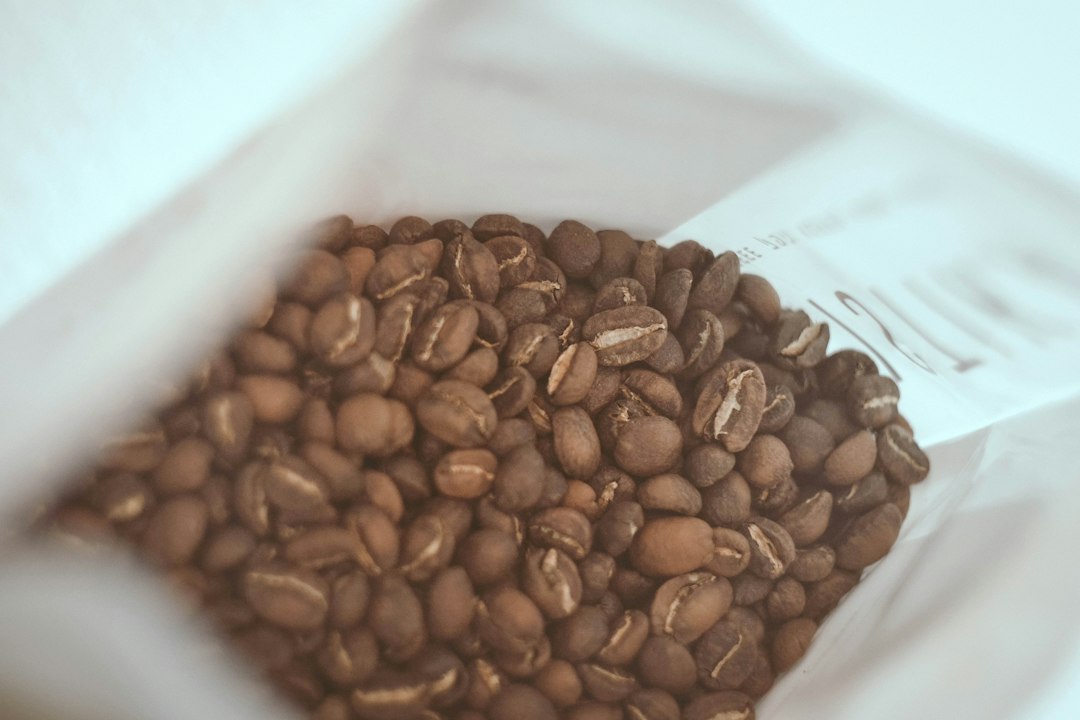
Growing: cool highlands versus warm lowlands
The two species come from different landscapes. Arabica grows wild in the mountain forests of Ethiopia at 1,600 to 2,800 metres. Robusta is at home in the lowland forests of the Congo Basin. It is mostly grown between sea level and 800 metres.
| Arabica | Robusta | |
|---|---|---|
| Origin | mountain forests of Ethiopia, 1,600 to 2,800 m | lowland forests of the Congo Basin |
| Typical altitude | higher, cooler sites | sea level to 800 m |
| Optimum mean annual temperature (textbook value) | 18 to 21°C | 22 to 26°C |
For a long time, robusta was therefore seen as heat-tolerant. An analysis from 2020 calls this into question. Researchers evaluated the harvests of almost 800 robusta farms in Vietnam and Indonesia over ten years. The best yields came at a mean annual temperature of 20.5°C, clearly cooler than the textbook. Every degree above that cost around 14 per cent of the yield.
The data come from observations in one region, not from lab trials. According to the researchers, arabica reacts even more sensitively to heat.
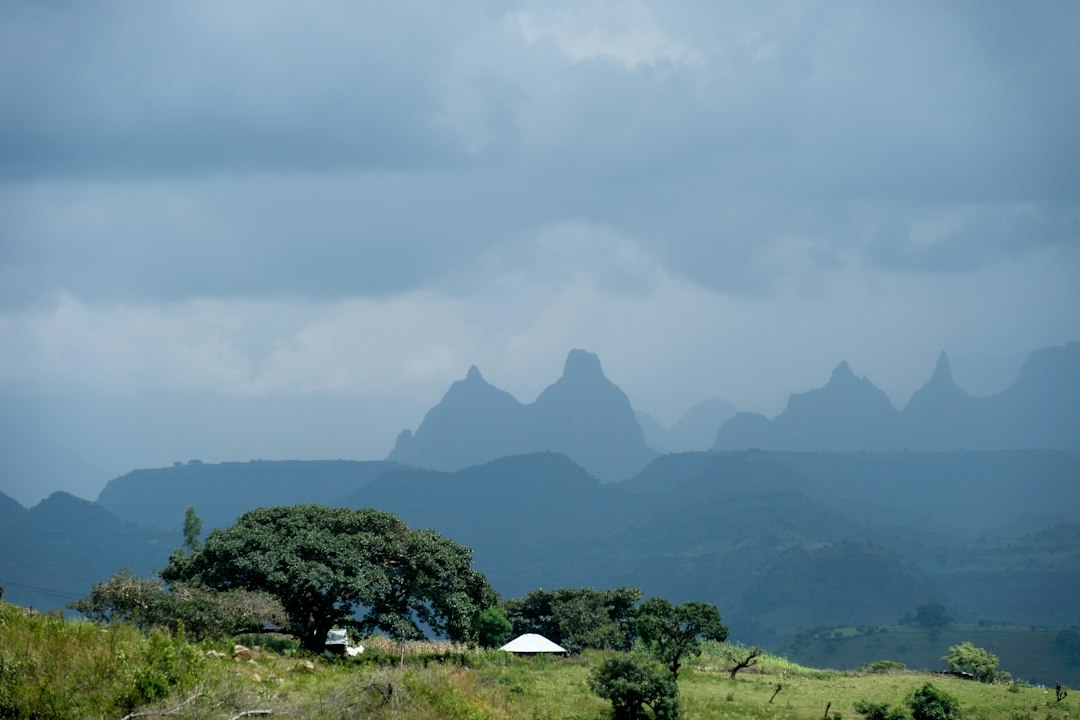
Genetics: half of arabica comes from robusta
The difference goes right down to the chromosomes. Robusta has 22 chromosomes in two sets. Arabica has 44 chromosomes in four sets. An international team decoded the arabica genome in 2024.
According to the study, arabica arose from a natural cross 350,000 to 610,000 years ago. The parents were Coffea canephora, in other words robusta, and the wild species Coffea eugenioides. The new plant kept the full chromosome sets of both parents. Specialists call this allotetraploid.
Arabica also mostly pollinates itself. The researchers found several bottlenecks in the species’ history and low genetic diversity.
Arabica is vulnerable to coffee leaf rust, a fungal disease. Help came from the parent. In 1927 a spontaneous cross between arabica and robusta was found on the island of Timor, and it resists the fungus. Many modern arabica varieties carry genes from this line.
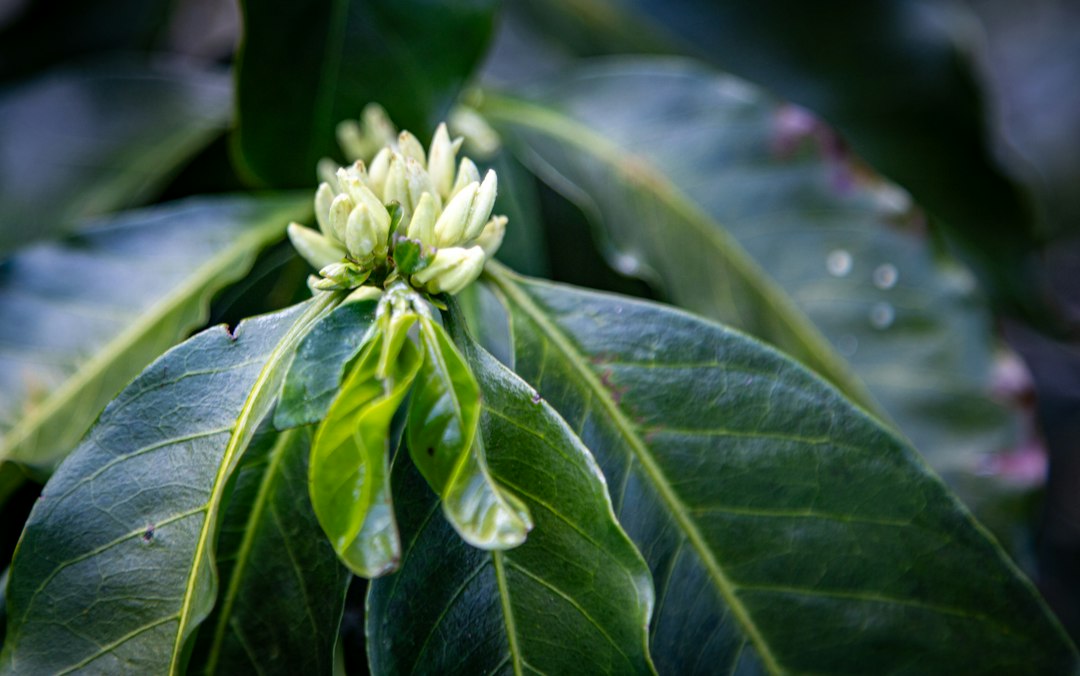
World market and prices: shares and futures in October 2026
The gap in world market share is smaller than many assume. The US Department of Agriculture (USDA) expects a record harvest of 189.7 million 60 kg bags for 2026/27. Of these, around 106 million bags are arabica and around 84 million bags robusta. That is roughly 56 to 44 per cent (our calculation).
| Largest producers 2026/27 (USDA, figures with ‘around’ are our calculation) | Arabica | Robusta |
|---|---|---|
| Brazil | 47.5m bags | 24.4m bags |
| Vietnam | around 1.1m bags | 31.4m bags |
| Colombia | 13.4m bags | none |
| Ethiopia | 12.1m bags | none |
| Indonesia | around 1.4m bags | 10.0m bags |
| Uganda | around 1.2m bags | 6.0m bags |
The two species trade on two exchanges. Arabica is quoted in New York in US cents per pound, robusta in London in US dollars per tonne. On 2 October 2026, December arabica closed at 288.75 US cents per pound. November robusta stood at 3,469 US dollars per tonne.
| Futures price 2 October 2026 | Quote | per kg in dollars | per kg converted, around |
|---|---|---|---|
| Arabica, New York, December 2026 | 288.75 US cents/lb | $6.37 | €5.68 |
| Robusta, London, November 2026 | $3,469/t | $3.47 | €3.10 |
Converted, green arabica cost a good 1.8 times as much as robusta. The ratio shifts with the harvests in Brazil and Vietnam. What sets the shop price besides the futures price is explained in why specialty coffee costs so much.
Robusta in an arabica pack can be detected. Robusta contains 800 to 2,500 mg per kg of a compound called 16-O-methylcafestol, arabica usually less than 20 mg per kg. Labs measure it to a German standard. A validation study still detected admixtures of 2.5 per cent.
Fine robusta, liberica and robusta in espresso
Robusta does not have to taste cheap. The Coffee Quality Institute grades robusta with its own cupping protocol. Lots scoring 80 points or more count as fine robusta, in the same way as specialty arabica.
Liberica and excelsa grow in hot, humid lowlands. In 2025 botanists at Kew showed that excelsa is a species of its own, Coffea dewevrei. Their share of world trade is tiny. For liberica, the researchers give less than 1,000 tonnes, around 0.01 per cent of exports.
Robusta has a firm place in espresso. Many espresso blends contain a share of it. Researchers from Glasgow name the crema as one reason. On top of that come more body, more bitterness and more caffeine in the cup. How to dial in an espresso with the grind size is shown in how to dial in espresso: grind size and shot time.
Arabica brings more aroma and acidity, robusta more strength, bitterness and caffeine. In the end, how good a bean is depends on growing, harvesting and roasting.
Last updated: 24 October 2026.
Sources
- Ludwig, I. A.; Clifford, M. N.; Lean, M. E. J.; Ashihara, H.; Crozier, A., Food & Function: Coffee: biochemistry and potential impact on health (author manuscript), 2014.
- Andy Brunning, Compound Interest: Coffee: Arabica vs Robusta, 2023.
- Crozier, T. W. M.; Stalmach, A.; Lean, M. E. J.; Crozier, A., Food & Function: Espresso coffees, caffeine and chlorogenic acid intake: potential health implications, 2012.
- Moura, S. C. S. R. de et al., Brazilian Journal of Food Technology 10(4), 271 to 277: Avaliações físicas, químicas e sensoriais de blends de café arábica com café canephora (robusta) (in Portuguese), October to December 2007.
- Benjamin Hohlmann, Kaffeemacher: Fine Robusta und Q Robusta Grading (in German), 30 November 2017, accessed 24 October 2026.
- DaMatta, F. M.; Ramalho, J. D. C., Brazilian Journal of Plant Physiology 18(1): Impacts of drought and temperature stress on coffee physiology and production: a review, 2006.
- Alliance of Bioversity International and CIAT (on Kath, J. et al., Global Change Biology 26(6)): Not so robust: robusta coffee more sensitive to warming than previously thought, 29 June 2020.
- Salojärvi, J. et al., Nature Genetics 56, 721 to 731: The genome and population genomics of allopolyploid Coffea arabica reveal the diversification history of modern coffee cultivars, 15 April 2024.
- USDA Foreign Agricultural Service: Coffee: World Markets and Trade, 2 July 2026.
- Uganda Coffee Development Authority: Daily Coffee Market Analysis Report, closing prices of 2 October 2026, 5 October 2026.
- Speer, K.; Uhlig, S.; Simon, K.; Frost, K.; Schlierf, A., ASIC: Food Authenticity: Determination of 16-O-Methylcafestol Content of Green and Roasted Coffee, 2023.
- Nick Brown, Daily Coffee News (on Davis, A. P. et al., Nature Plants): Study Says Liberica and Excelsa Are Separate Species, With Implications for Cultivation, 21 August 2025.
- European Central Bank: Euro foreign exchange reference rates, 22 October 2026.