Mocha is named after al-Mukha, a port in Yemen. In the 17th century, almost the entire world coffee trade passed through it.History of the port, the five meanings of mocha and coffee from Yemen in 2026.
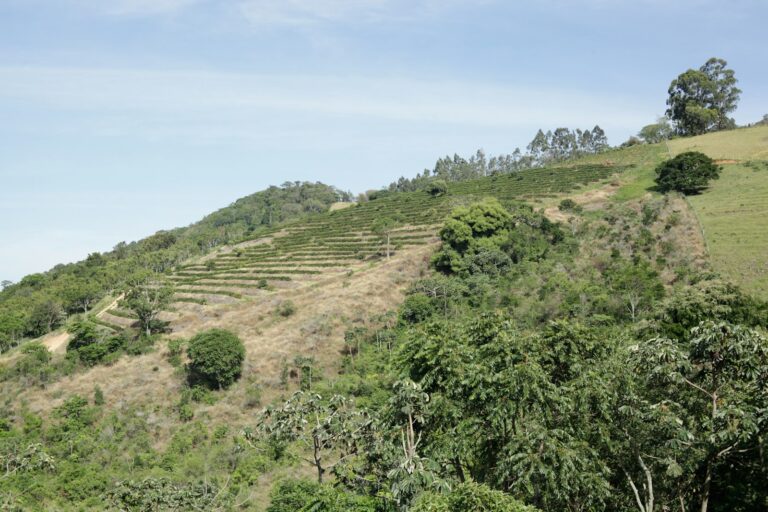
The coffee plant comes from Ethiopia, but it was in Yemen that it became big as a drink and a crop. The coffee grew in the mountains, on small terraces. It was shipped from the coast, above all through al-Mukha. Europeans turned the name into Mocha, Moka or Mokka.
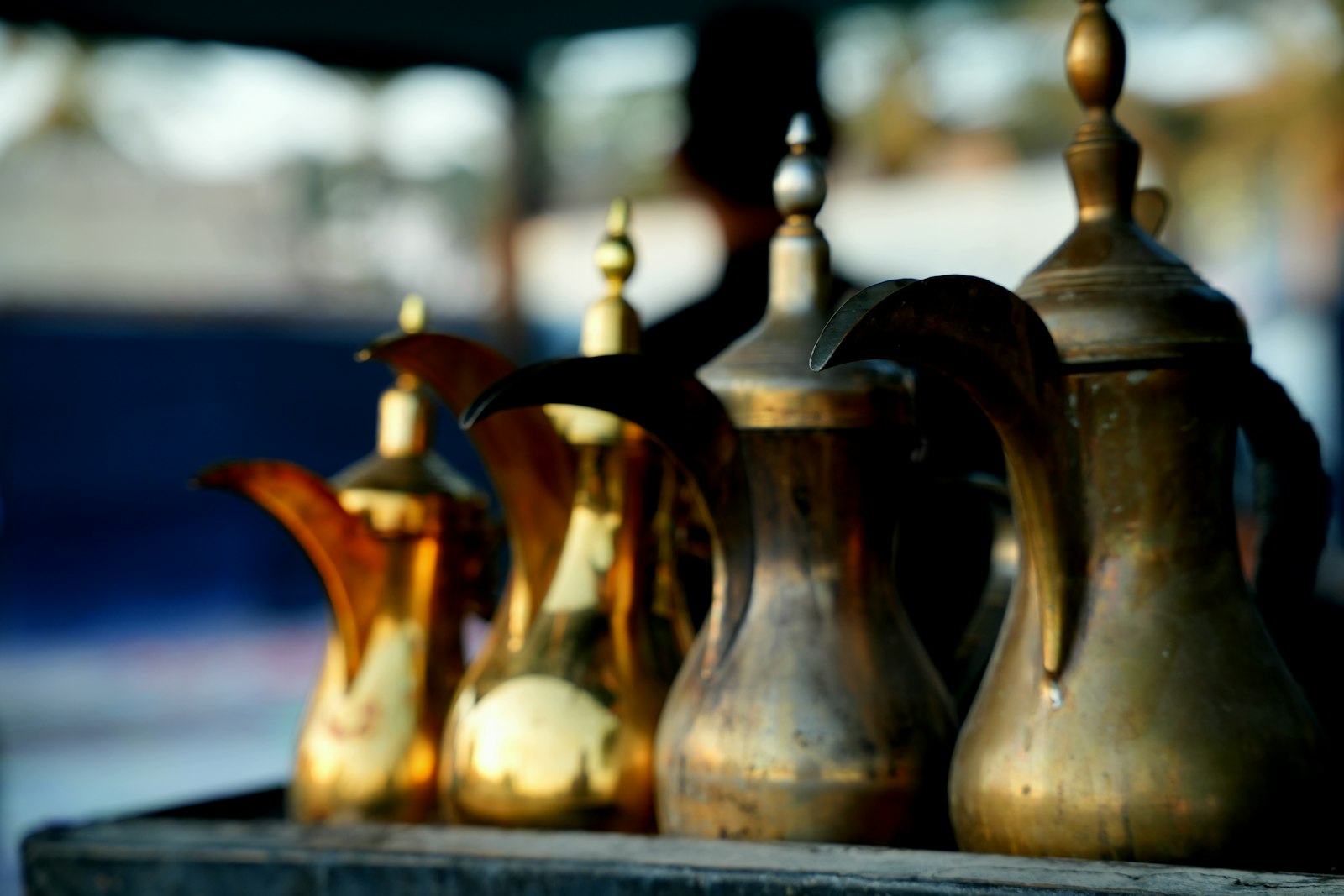
Little remains of the port today, but the word appears on menus, coffee pots and cups. And coffee still grows in Yemen, under the conditions of a war.
The beginnings: coffee among Yemen’s mystics
The oldest reliable traces lead to the middle of the 15th century. The historian Ralph Hattox describes how groups of mystics in Yemen began drinking coffee at that time. The drink kept them awake during their night-time devotions. These were Sufis, followers of a mystical branch of Islam.
An essay in the journal Orientalia Suecana cites legal opinions on coffee as early as 1438 in Aden. Mecca knew it by the end of the 15th century. The author urges caution, though, because sources from this period are rare.
| Period | What is documented |
|---|---|
| 1438 | early legal opinions on coffee in Aden |
| 1511 | coffee is banned in Mecca and burned in the street |
| early 16th c. | Yemeni merchants bring it to Cairo |
| mid-16th c. | coffee reaches Istanbul |
| 1587/88 | oldest reliable text on coffee, by al-Jaziri |
Legends surround the beginning. The best known tells of a goatherd whose animals grew lively after eating red berries. Edward Keall of the Royal Ontario Museum calls it unverified.
The port of al-Mukha: gateway for coffee from the mountains
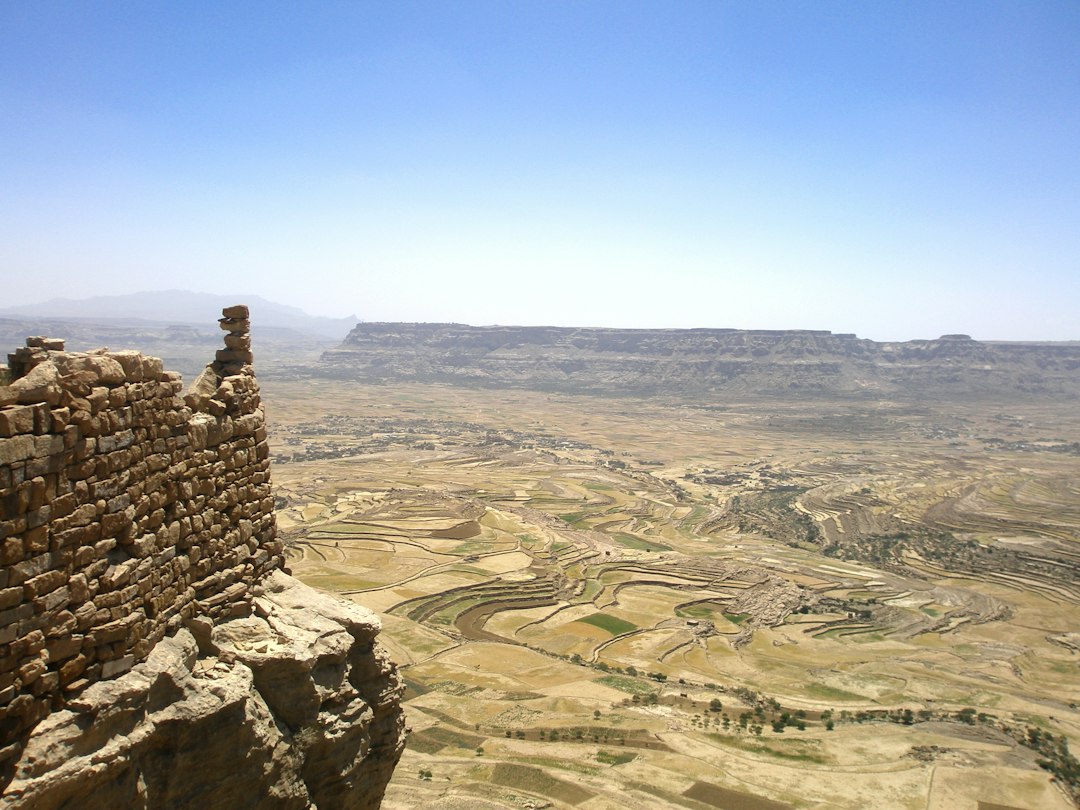
Between 1708 and 1710, two ships from Saint-Malo lie off al-Mukha, the Curieux and the Diligent. Their merchants want to buy coffee at its source, without Ottoman and Indian middlemen. But the coffee is not in the port. It is traded in Bait al-Faqih, about two days’ journey to the north-east.
So the French travel inland and set up a trading post there. The voyage pays off, and the next one sets out as early as 1711. Jean de La Roque publishes an account of it in 1715.
Al-Mukha grew big under the Ottomans from the middle of the 16th century, according to the art historian Nancy Um. After the imams of the Qasimi dynasty drove out the Ottomans in 1635, trade turned more towards India. Merchants from Asia, Africa and Europe traded coffee, aromatics, Indian textiles, spices and silver from the Americas here.
The Dutch tried early on to gain a foothold. On 25 January 1617, Pieter van den Broecke reached al-Mukha. The governor gave him a favourable agreement and a house, on which he raised the Dutch flag. A permanent trading post, however, was refused.
The end of the monopoly: Java, Martinique and the Caribbean
For a long time, coffee grew only in Yemen. According to a 2024 study in Nature Genetics, cultivation began there in the 15th or 16th century. Around 1600, the so-called seven seeds were smuggled to India. The story behind it, that a pilgrim named Baba Budan hid them, is considered a legend.
From the 1690s, the Dutch grew coffee on Java. The historians Clarence-Smith and Topik consider it likely that these seedlings came from India. A seedling from the botanical garden in Amsterdam went to France as a gift to Louis XIV. Descendants of such plants reached Brazil via Martinique in 1727.
In the 18th century, according to Clarence-Smith and Topik, coffee from the French Caribbean even reached the Middle East. The port of al-Mukha silted up. When the British expanded Aden from 1839, it lost its importance for good, according to the historian Ibrahim Al-Marashi. According to Nancy Um, few traces of the merchant houses remain today.
One word, five meanings: port, bean, drink, pot, cup
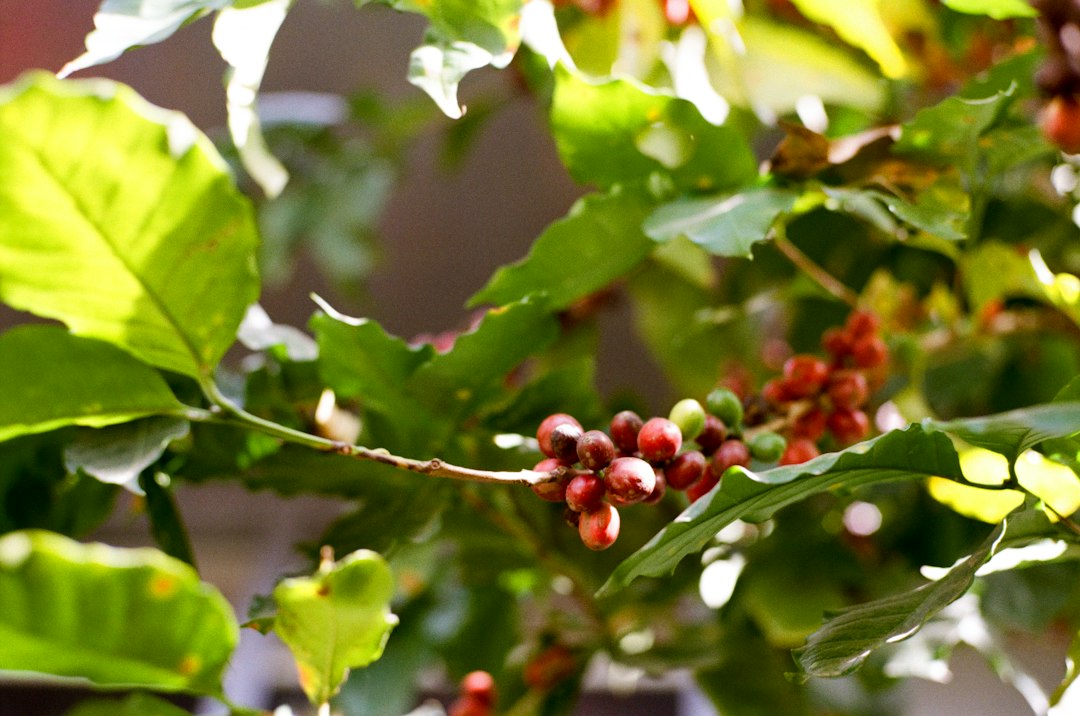
According to the German dictionary Duden, the German word Mokka comes from the Yemeni port via the English mocha. In English, mocha is recorded as fine coffee from Yemen since 1773, according to the Online Etymology Dictionary. The meaning of a mixture of coffee and chocolate follows by 1849. The caffè mocha, an espresso drink with chocolate, builds on this.
| Term | What it means | Link to Yemen |
|---|---|---|
| al-Mukha (Mocha) | port town on the Red Sea | gave the name |
| Mokka as a bean | according to Duden, an aromatic variety with small, hemispherical beans | originally coffee from Yemen |
| Mokka as a drink | according to Duden, very strong coffee served in small cups | usually none, beans of any origin |
| moka pot | stovetop espresso maker, designed in 1933 | only the name |
| Mokkatasse | according to Duden, a small coffee cup for Mokka | only the name |
In everyday German, Mokka is usually a small, strong coffee, often brewed Turkish-style in a small pot. The beans rarely come from Yemen.
The moka pot also bears the name of the port town. Technically, it has little in common with the drink Mokka. How to use it properly is explained in How to use a moka pot so your coffee doesn’t taste bitter.

A legacy in the genes: what genetics says about Yemen
Many of today’s Arabica varieties go back to the Typica and Bourbon lines. The Nature Genetics study links both to a wild population from which cultivation in Yemen also emerged. The genetic diversity of Yemeni material is low. More on its ancestry is in Arabica or robusta: flavour, caffeine, growing and price.
A 2020 study classed Yemeni coffees as a subgroup of Ethiopian ones. In 2021, however, a team in Yemen found a distinct genetic group unrelated to any known cultivated variety. World Coffee Research points out that not all growing areas have been studied.
According to a green coffee importer, the natural process is common in Yemen, with the whole cherry drying in the sun. How it shapes the flavour is explained in Washed, natural, honey: how processing shapes coffee flavour.
Coffee from Yemen in 2026: war, farming and exports
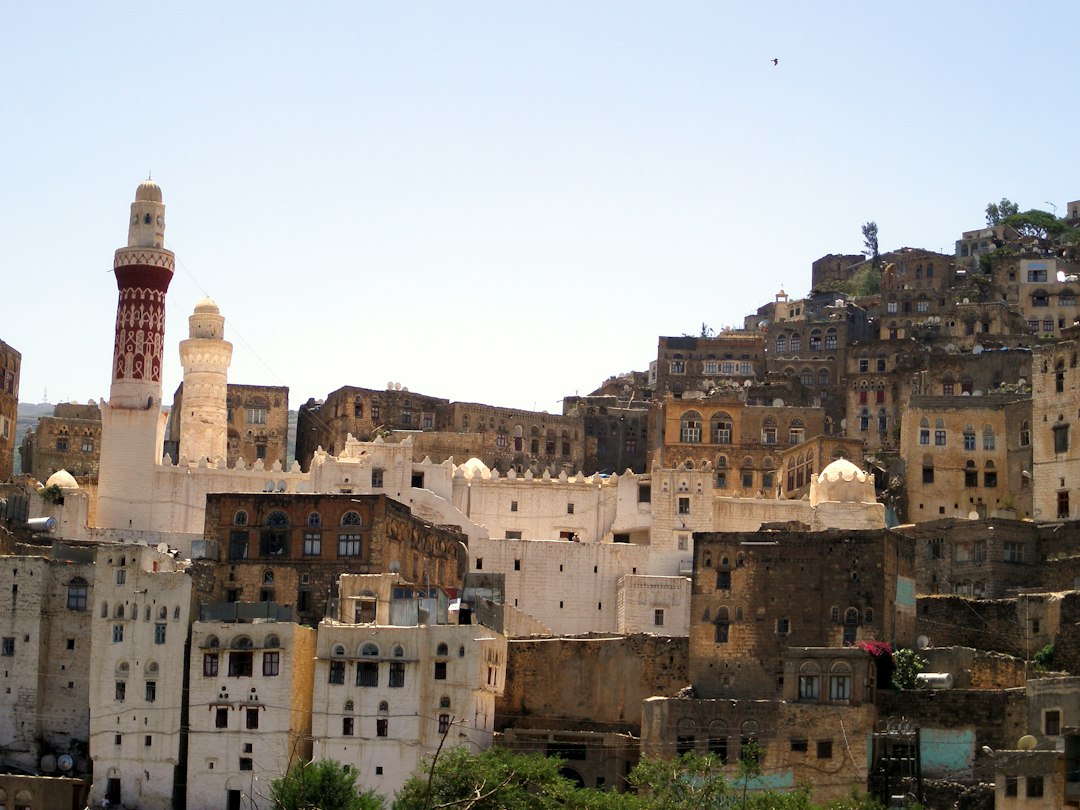
Yemen is in the second decade of a war. According to the United Nations, around 22.3 million people need humanitarian aid in 2026. The aid appeal of March 2026 asks for 2.16 billion US dollars, roughly €1.93 billion.
The Food and Agriculture Organization (FAO) published the last reliable figures on cultivation in March 2025. They mostly date from 2019 and 2020. According to them, a typical smallholder has around 0.3 hectares with just under 400 trees and harvests about 114 kg.
| Indicator | Value | Source, reference year |
|---|---|---|
| growing area | 34,981 ha, 2.4 % of agricultural land | FAO 2025 |
| harvest | 20,812 t | FAO 2025, for 2019 |
| export earnings | 20.2 million US dollars, roughly €18 million | FAO 2025, for 2019 |
| largest buyer | Saudi Arabia with around 63 % of exports | FAO 2025, for 2019 |
| 2025 harvest according to the authority in Sanaa | 42,000 to 45,000 t | Xinhua, October 2026 |
| expected 2026 harvest according to Sanaa | around 50,000 t | Xinhua, October 2026 |
The newer figures come from the agriculture authority in Houthi-controlled Sanaa. They have not been independently verified. At a national auction, a kilo fetched up to 976 US dollars, roughly €871.
Getting coffee to customers is difficult. According to the authority, sending a one-kilo sample abroad now costs up to 120 instead of 20 US dollars, roughly €107 instead of €18. Samples take 20 to 30 days instead of 3, larger shipments three to four months instead of a week. Since late 2023, according to Al-Marashi, many freighters have diverted around the Cape of Good Hope because of Houthi attacks.
Coffee farming has long been pushed out by khat, a shrub with stimulating leaves. According to UNDP, it uses an estimated third of the groundwater pumped. United Nations programmes help farmers switch back to coffee.
The merchants from Saint-Malo travelled from 1708 to 1710 to get hold of coffee from Yemen. Today, a larger shipment again takes three to four months to reach the customer. And where it says mocha, there is usually no coffee from Yemen inside.
Last updated: 24 October 2026.
Sources
- Edward J. Keall, Royal Ontario Museum, review (Material Culture Review): of Ralph S. Hattox: Coffee and Coffeehouses (1985), undated, accessed 25 October 2026.
- Juhan Björn, Orientalia Suecana 75, 1-20: On the Properties and Benefits of Coffee: Attributed to Muḥammad Badr al-Dīn al-Qūṣūnī, 2026.
- John Shipman, al-bab.com: Book review: A Voyage to Arabia Felix (Jean de La Roque, facsimile Oleander Press 2004), undated, accessed 25 October 2026.
- Nancy Um, University of Washington Press, Project MUSE: The Merchant Houses of Mocha: Trade and Architecture in an Indian Ocean Port, 2009.
- Atlas of Mutual Heritage: Pieter van den Broecke in Mocha, accessed 25 October 2026.
- Salojärvi, J. et al., Nature Genetics 56, 721-731: The genome and population genomics of allopolyploid Coffea arabica reveal the diversification history of modern coffee cultivars, 15 April 2024.
- W. G. Clarence-Smith, S. Topik (eds.), Cambridge UP, sample chapter: The Global Coffee Economy in Africa, Asia, and Latin America, 1500–1989, 2003.
- Ibrahim Al-Marashi, The Conversation (via Down To Earth): The Mocha monopoly: how Yemen’s dominance of the global coffee trade birthed the Houthi rebels, 1 September 2026.
- Duden online: Mokka, Mocca, der (in German), accessed 25 October 2026.
- Duden online: Mokkatasse, die (in German), accessed 25 October 2026.
- Online Etymology Dictionary: mocha, accessed 25 October 2026.
- museum-digital, keyword: Moka pot (named after the Yemeni city of Mocha, 1933), accessed 25 October 2026.
- Cafe Imports (green coffee importer): Natural Process, undated, accessed 24 October 2026.
- World Coffee Research: Yemeni coffee: how genetically diverse is it?, 19 September 2020, updated December 2021.
- Montagnon, C. et al., Genetic Resources and Crop Evolution: Unveiling a unique genetic diversity of cultivated Coffea arabica L. in its main domestication center: Yemen, 2021.
- UN OCHA, ReliefWeb: Yemen humanitarian crisis deepens: aid agencies appeal for US$2.16 billion, 18 March 2026.
- FAO Yemen, UN Yemen: Assessment Report: Coffee value chain in Yemen. Export potential and investment opportunities, 4 March 2025.
- Xinhua, via Malay Mail: Coffee is a treasure for Yemen (agriculture authority in Sanaa), 4 October 2026.
- UNDP Yemen: Qat and Coffee value chain analysis in Yemen, 2 August 2022.
- European Central Bank: Euro foreign exchange reference rates, 22 October 2026.