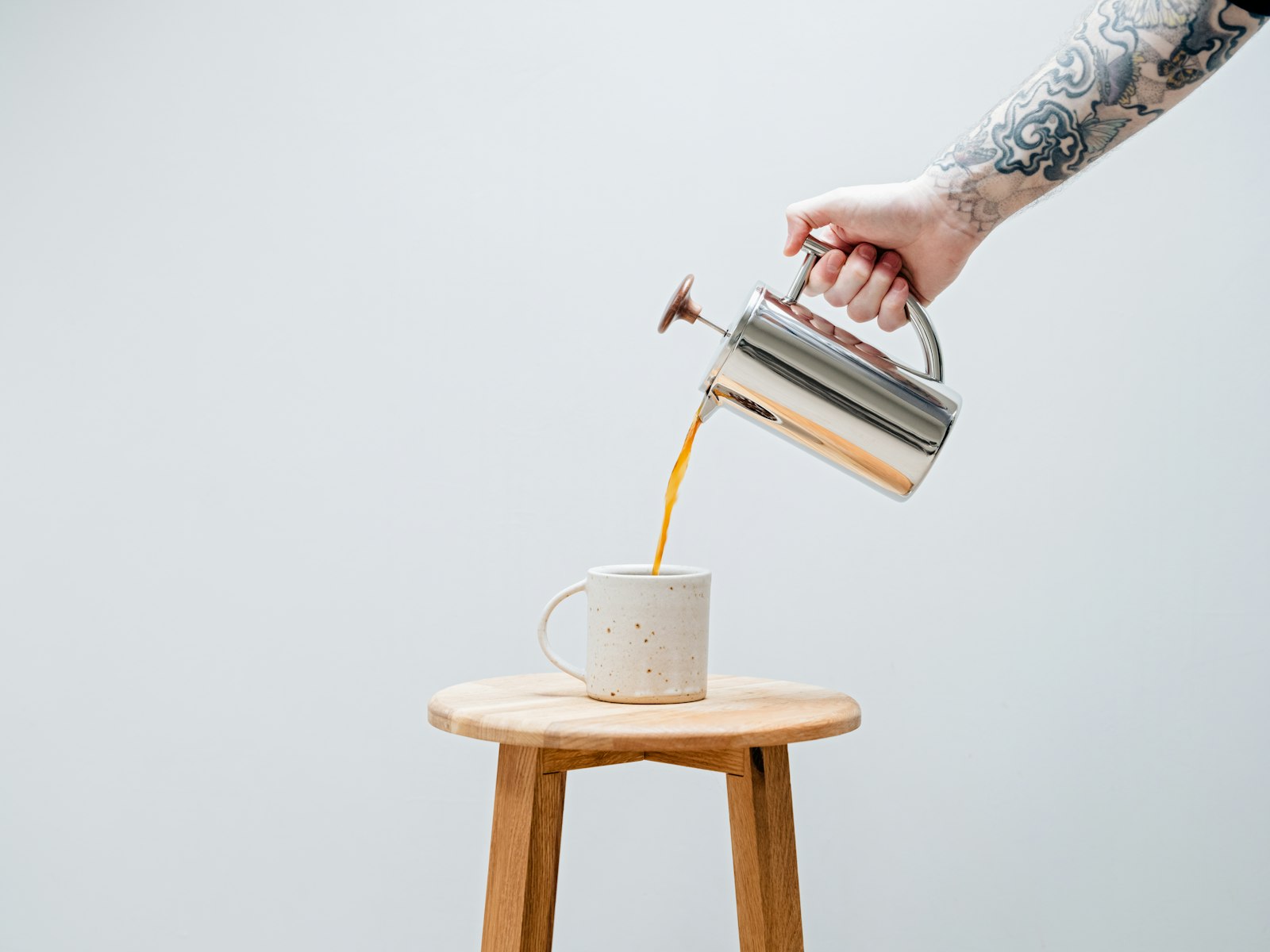
If you drink several cups of unfiltered coffee a day, say from a French press or as Turkish coffee, your cholesterol can rise. Paper filters hold back almost all the compounds responsible.Measurements per brewing method, studies and their limits, office coffee machines and ways to filter at home.
The culprits are two fatty compounds from the oil of the coffee bean, cafestol and kahweol. They float in the coffee in fine oil droplets and suspended particles. Paper traps these particles, while a metal mesh lets many of them through.
How much ends up in the cup depends on the brewing method, the amount of coffee, the roast and even the individual machine. Measurements from different labs therefore vary widely.
Cafestol and kahweol: two fatty compounds from the bean
Both compounds are diterpenes. Cafestol in particular raises cholesterol. Lab work suggests that it slows the conversion of cholesterol into bile acid in the liver. In humans this has not been fully established.
There is a rough rule of thumb for the effect. In 1997 the Wageningen research group estimated that 10 mg of cafestol a day raises total cholesterol by around 0.13 mmol/l. Three cups of French press (cafetière) coffee with 3.5 mg each would then give around 0.14 mmol/l more (our calculation). With the higher measurements from newer studies, the figure would be correspondingly larger.
Measurements per brewing method: wide ranges depending on the lab
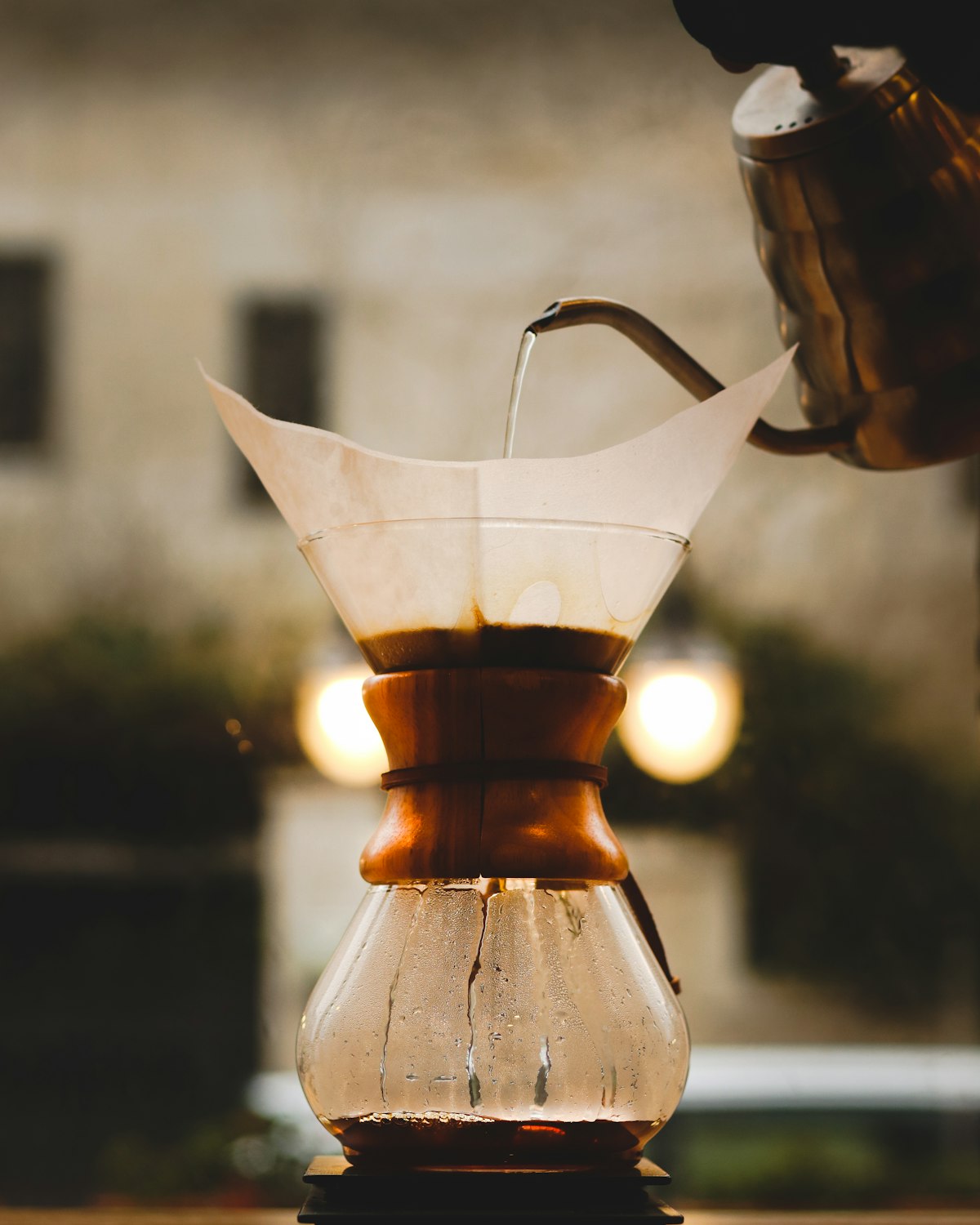
The best-known series of measurements comes from Wageningen, with samples from households, bars and the lab. In 2012 a group from Nottingham brewed four unfiltered methods with coffee from six roast levels, hence the ranges.
| Brewing method | Cafestol per cup | Cup | Source, year |
|---|---|---|---|
| Pour-over with paper | 0.1 mg (3 samples) | not stated | Wageningen 1995 |
| Pour-over with permanent nylon filter | 0.8 mg (3 samples) | not stated | Wageningen 1995 |
| Pour-over with permanent metal filter | 2.5 mg (21 samples) | not stated | Wageningen 1995 |
| French press | 3.5 mg (5 samples) | 150 ml | Wageningen 1995 |
| French press | 4.1 to 11.9 mg | 160 ml | Nottingham 2012 |
| boiled coffee, Scandinavian | 3.0 mg (14 samples) | 150 ml | Wageningen 1995 |
| Turkish coffee, households | 3.9 mg (11 samples) | not stated | Wageningen 1995 |
| Turkish coffee, lab | 1.4 to 2.8 mg | 60 ml | Nottingham 2012 |
| Moka pot, lab | 1.1 to 2.4 mg | 60 ml | Nottingham 2012 |
| Espresso from bars in Italy | 1.5 mg (10 samples) | bar serving | Wageningen 1995 |
Newer figures come from Sweden. In 2025 researchers from Uppsala and Gothenburg compared coffee from machines with several brewing methods in the lab. The figures for French press and boiled coffee are each based on one duplicate sample. We also use these figures in our article on the French press.
| Brewing method | Cafestol per litre | Kahweol per litre | Cafestol per cup (150 ml) |
|---|---|---|---|
| Paper filter, at home | 11.5 mg | 8.2 mg | around 1.7 mg |
| French press | 86.8 mg | 68.7 mg | around 13 mg |
| boiled coffee, unfiltered | 939.2 mg | 677.9 mg | around 141 mg |
| boiled coffee, filtered through cloth | 28.0 mg | 21.2 mg | around 4 mg |
We converted the per-cup figures from the per-litre values. Between studies the results sometimes differ many times over, for paper filters about 0.1 against 1.7 mg. The labs used different amounts of coffee, beans and measuring methods. Within each study, paper holds back the most.
Espresso machine, moka pot and AeroPress: the unclear cases
Espresso from an espresso machine is very rich in diterpenes per millilitre, but the cup is small. In Wageningen, bar espressos came to 1.2 to 1.5 mg per cup. In the 2025 Swedish study, four espresso samples ranged from 36 to 2,447 mg of cafestol per litre, for no obvious reason.
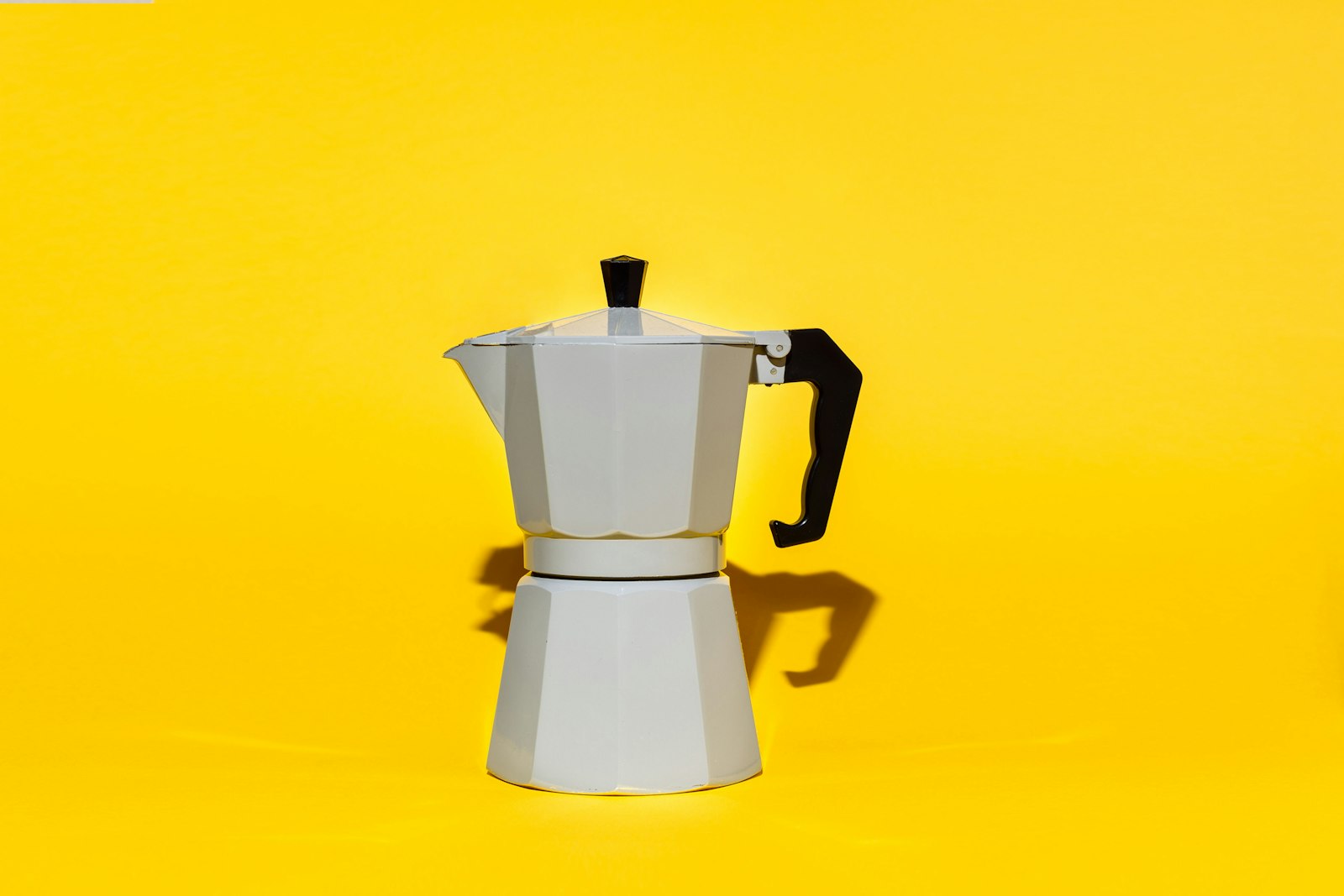
In German, ‘Mokka’ means two things. Turkish coffee is boiled up with the grounds and drunk unfiltered. The moka pot (stovetop espresso maker) pushes the water through a metal mesh and came out fairly low in both lab measurements.
For the AeroPress there are hardly any freely available figures so far. In 2025 an Italian study compared eight brewing methods, including AeroPress, French press, moka pot and Turkish coffee. Unfiltered methods came out much higher than methods with a paper filter. The authors name filtration, pressure and grind size as key factors. We were unable to view the individual values.
In its standard set-up the AeroPress works with paper, and recipes are in AeroPress recipes. The same logic as with permanent filters probably applies to a metal filter, but nobody has measured this specifically.
Office coffee machines: often no paper involved
The 2025 Swedish study examined 14 machines in hospitals and health centres, each twice, two to three weeks apart. Eleven brewed fresh coffee, while three mixed liquid concentrate.
| Coffee from | Cafestol per litre, median | Range |
|---|---|---|
| Brewing machines (11 machines) | 175.7 mg | 24.4 to 444.0 mg |
| Machines with liquid concentrate (3 machines) | 8.3 mg | 2.4 to 343.4 mg |
| Paper filter at home (5 brews) | 11.5 mg | 4.2 to 23.8 mg |
Brewing machines therefore came out around 15 times higher than the paper filter at home. Even on the same machine, values varied by more than half between the two visits. Perforated paper aroma filters made no clear difference compared with normal ones.
According to the authors, a controlled study of the effect on LDL is still lacking. Their advice for heavy coffee drinkers is to prefer well-filtered coffee.
What studies in humans show: trials, meta-analyses, observations
The trail began in Norway in 1983. In the Tromsø Heart Study of almost 15,000 adults, cholesterol was higher the more coffee people drank. At the time, boiled coffee without a filter was common.
| Study | Design and size | Result | Limits |
|---|---|---|---|
| Wageningen, 1996 | trial, 46 healthy people, 24 weeks, 0.9 l of coffee daily | LDL 0.26 mmol/l higher with French press than with paper filter, liver value ALT increased | very large amount, small group |
| Meta-analysis, 2012 | 12 trials, 1,017 participants, around 45 days on average | total cholesterol plus 8.1 mg/dl (around 0.21 mmol/l, our conversion), LDL plus 5.4 mg/dl, stronger with unfiltered coffee | short duration, differing trials |
| Tromsø Study, 2022 | cross-sectional, 21,083 adults aged 40 and over | total cholesterol with 3 to 5 espressos a day: men plus 0.16, women plus 0.09 mmol/l. From 6 cups of French press or boiled coffee: men plus 0.23, women plus 0.30 | cross-sectional, cup size, milk and sugar not recorded |
| Norway, 2020 | observational, 508,747 adults, around 20 years | filter coffee: 15 % lower risk of death than no coffee; unfiltered no higher risk, except cardiovascular death in men aged 60 and over | coffee asked about only once |

The Wageningen trial is the strongest evidence, because the brewing method was fixed. After the study ended, the values fell again. According to the meta-analysis, people with raised blood lipids reacted more strongly.
The Norwegian observational studies show associations, not causes. In the 2022 espresso analysis, the size of the cups remained unclear.
The 2023 Nordic Nutrition Recommendations advise limiting unfiltered coffee such as boiled or French press coffee. According to them, about 1 to 4 cups of filter coffee a day can be part of a healthy diet. How much caffeine each brewing method contains is explained in Caffeine in espresso, filter coffee and cold brew.
Paper filters in everyday life: simple steps
The trials with a measurable effect involved several cups of unfiltered coffee a day over weeks. No risk can be inferred from this for an occasional cup of French press coffee. If you drink a lot of it, the filter is the simplest thing to adjust.
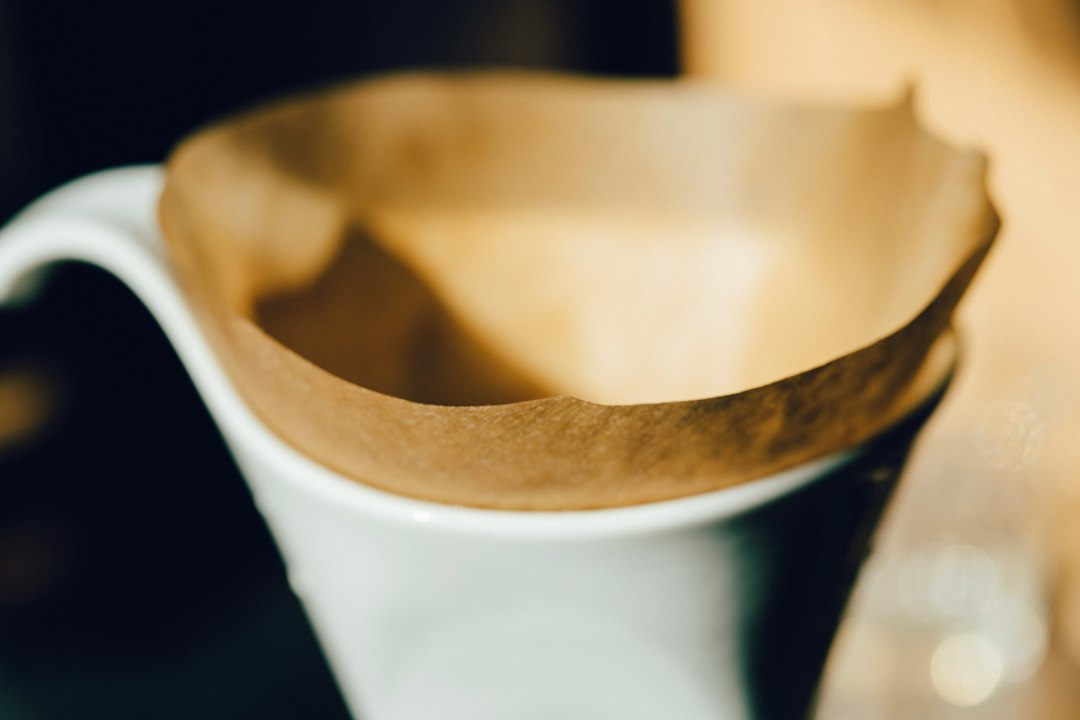
How to get more paper between the grounds and your cup:
- Brew pour-over or use a filter coffee machine with paper. Normal and perforated filters were close together in the Swedish measurements.
- Swap a permanent metal or nylon filter for paper. In Wageningen these came to 2.5 and 0.8 mg per cup, paper to 0.1 mg.
- After pressing, pour French press coffee through a paper filter in a dripper. This has not been measured directly, but cloth greatly reduced the value for boiled coffee.
- With the AeroPress, use paper rather than a metal filter.
- If there is a filter jug with paper next to the office machine, that is the filtered alternative.
Pouring technique and the right paper are covered in Pour-over drippers compared. If your blood lipid or liver values are unusual, raise the question of coffee with your doctor.
Last updated: 24 October 2026. This article does not replace medical advice.
Sources
- Thelle, D. S. et al., New England Journal of Medicine 308: The Tromsø heart study. Does coffee raise serum cholesterol?, 1983.
- Urgert, R. et al., Journal of Agricultural and Food Chemistry 43: Levels of the cholesterol-elevating diterpenes cafestol and kahweol in various coffee brews, 1995.
- Urgert, R. et al., BMJ 313: Comparison of effect of cafetière and filtered coffee on serum concentrations of liver aminotransferases and lipids: six month randomised controlled trial, 30 November 1996.
- Urgert, R., PhD thesis, Wageningen University: Health effects of unfiltered coffee: diterpenes in coffee and their effects on blood lipids and liver enzymes in man, 1997.
- Zhang, C. et al., Food Research International 49: Cafestol extraction yield from different coffee brew mechanisms, 2012.
- Cai, L. et al., European Journal of Clinical Nutrition 66: The effect of coffee consumption on serum lipids: a meta-analysis of randomized controlled trials, 20 June 2012.
- Tverdal, A. et al., European Journal of Preventive Cardiology 27 (summary by ScienceDaily): Coffee consumption and mortality from cardiovascular diseases and total mortality: Does the brewing method matter?, 22 April 2020.
- Svatun, Å. L. et al., Open Heart: Association between espresso coffee and serum total cholesterol: the Tromsø Study 2015 to 2016, 2022.
- Technology Networks: Could Brew Method, and Gender, Be Linked to Coffee’s Association With Increased Cholesterol?, 2022, accessed 24 October 2026.
- Nordic Council of Ministers: Nordic Nutrition Recommendations 2023: Beverages, 2023.
- Santanatoglia, A. et al., Journal of Food Composition and Analysis: Cafestol and kahweol content in different specialty coffee brews: Exploration by NMR analysis and evaluation of brewing parameters, 2025.
- Orrje, E. et al., Nutrition, Metabolism and Cardiovascular Diseases 35: Cafestol and kahweol concentrations in workplace machine coffee compared with conventional brewing methods, 20 February 2025.
- Uppsala University: Cholesterol-elevating substances in coffee from machines at work, 21 March 2025.