To start with, steep 16 g of medium-fine coffee in 200 ml of water at 90°C for one minute, then press the plunger down slowly.Basic recipe, five recipes compared, three world champion recipes and help with sour or bitter coffee.
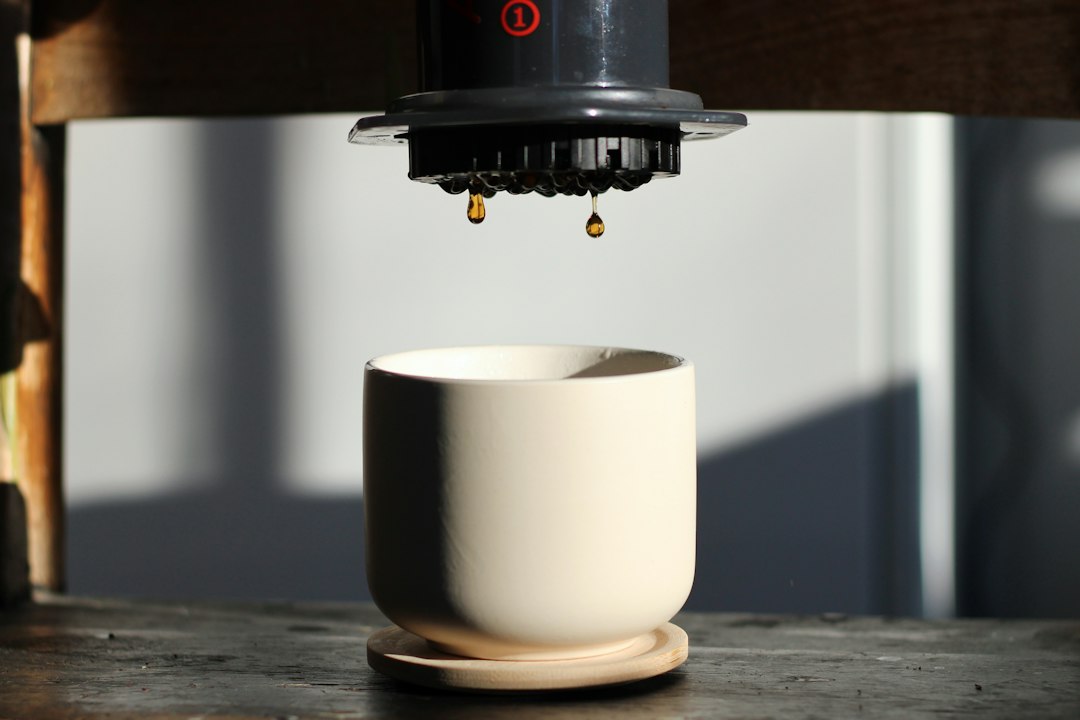
The AeroPress is a plastic cylinder with a plunger. Coffee and water first steep in it together, as in a French press. Then you push the plunger down by hand, and a round paper filter holds back the grounds. This makes the coffee clearer than from a cafetière, and the grounds stay in the device as a firm puck.
It was invented by the engineer Alan Adler. He began brewing experiments in his garage in Palo Alto in 2003 and, according to the manufacturer, built over 30 prototypes in two years. In November 2005 he presented the press at a coffee trade show in Seattle. Because amount, grind size, temperature and time are all up to you, there are now countless recipes.
The basic recipe: 16 g of coffee, 200 ml of water, one minute
A Swiss roastery published a standard recipe in June 2026 that works well as a starting point.
- Rinse the filter: Put a paper filter in the cap and rinse it with hot water. This removes the paper taste.
- Add the coffee: Place the press on your cup and add 16 g of medium-fine coffee. The grounds should be about as fine as granulated sugar.
- Pour: Pour on 200 ml of water at 90°C evenly and start the timer.
- Stir: Stir for 10 seconds so that all the coffee is wet.
- Steep: Place the plunger loosely on top without pressing, and wait 60 seconds.
- Press: Push the plunger down evenly over 20 to 30 seconds. When you hear a soft hiss, stop.
Adjust the temperature to the roast. Light coffees need more heat so that enough dissolves. Dark ones quickly taste bitter with water that is too hot.
| Roast | Water temperature | Taste according to the roastery |
|---|---|---|
| light | 94 to 97°C | fruity, complex |
| medium | 88 to 93°C | balanced, caramel notes |
| dark | 82 to 88°C | bold, chocolatey |
| not sure | 90 to 93°C | a compromise for most recipes |
Five recipes compared: from concentrate to a full cup
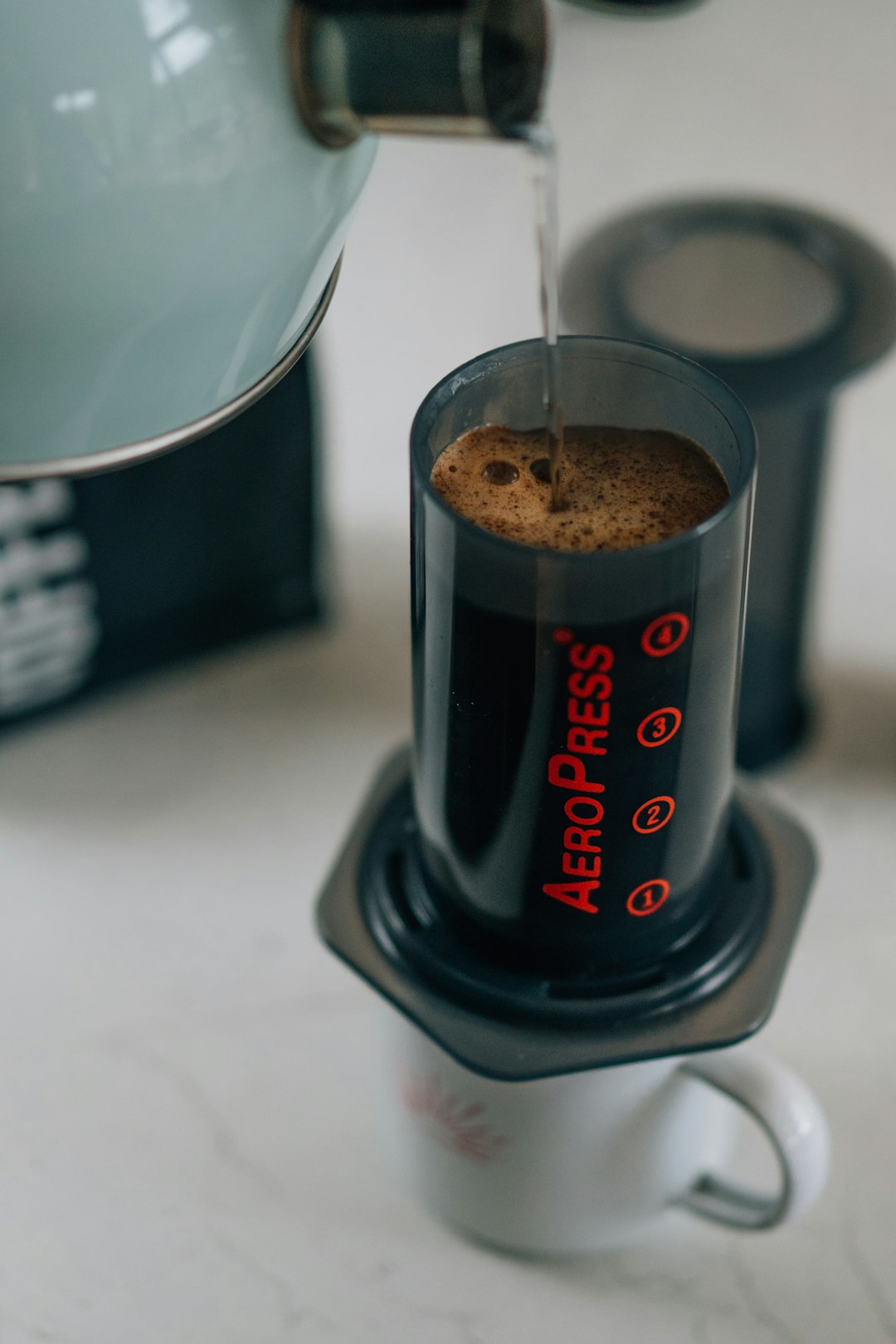
Adler’s own recipe is a short, dense concentrate. Others rely on little coffee and a long brew time. The table puts five documented versions side by side.
| Recipe | Coffee | Water | Temperature | Method |
|---|---|---|---|---|
| Alan Adler (original) | around 15 g, fine as for espresso | up to mark 1, around 85 to 90 g | 80°C medium to dark, 85°C light | stir 10 sec, press 20 to 60 sec, top up with hot water |
| Swiss roastery, standard | 16 g, medium-fine | 200 ml | 90°C | stir 10 sec, steep 60 sec, press 20 to 30 sec |
| Swiss roastery, inverted | 15 g, medium-fine | 200 ml | 93°C | stir 3 times, steep 90 sec, flip, press |
| James Hoffmann | 11 g, fine end of medium | 200 g | 99°C for light roasts | steep 2 min, swirl, wait 30 sec, press 30 sec |
| Tim Wendelboe, filter style | 14 g, fine as for filter | 200 g | boiling | stir 3 times, steep 60 sec, stir 3 times, press |
Adler uses strikingly cool water. According to a coffee magazine from 2018, he brews at 80°C for medium and dark roasts and at 85°C for light ones. The whole brew takes him one minute. He dilutes the concentrate with hot water to taste.
The Norwegian roaster Tim Wendelboe goes the other way and pours with boiling water. He recommends this for light roasts and presses with his body weight, but explicitly not too hard.
The James Hoffmann method: little coffee, lots of patience
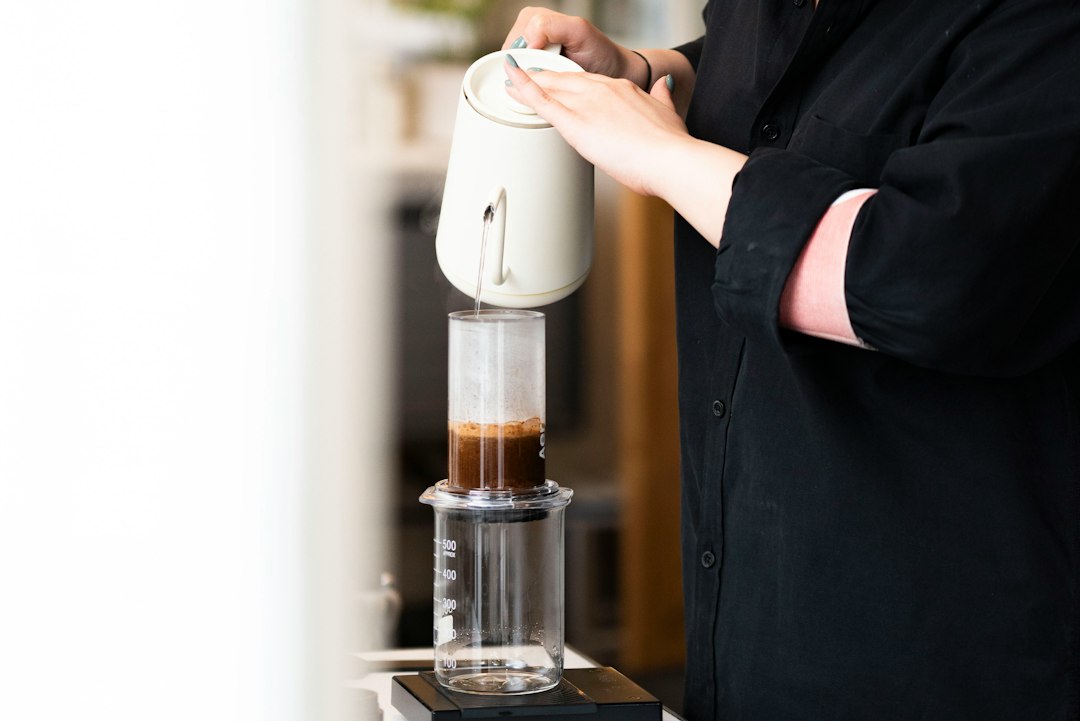
Former World Barista Champion James Hoffmann presents his method in the video ‘The Ultimate AeroPress Technique’. It came out in April 2021 at the latest, as a blog linked to it on 21 April 2021. The steps here come from written summaries. We do not have a text by Hoffmann himself.
- Prepare: Place the press in the standard position on the carafe and add 11 g of coffee.
- Pour: Pour on 200 g of water quickly so that all the coffee gets wet.
- Insert the plunger: Insert the plunger straight away, around 1 cm deep. The slight vacuum holds the coffee in the chamber.
- Wait: Let it steep for 2 minutes without stirring.
- Swirl: Hold the press and plunger together and swirl gently.
- Let it settle: Wait 30 seconds.
- Press: Push all the way down slowly over around 30 seconds.
At 11 g to 200 g, the ratio is on the weak side, about 1:18 (our calculation). In return, coffee and water steep longer and hotter than in the basic recipe. According to the summary, Hoffmann uses 99°C for light roasts, 90 to 95°C for medium and 85 to 90°C for dark. The plunger trick stops coffee from dripping through early.
Standard or upside down: the inverted method step by step
In the standard position, coffee drips into the cup before pressing if the grind is coarse. Part of the water then steeps for less time than the rest. That is why many people turn the press upside down.
- Set up: Pull the plunger out to mark 4 and stand the press upside down on a flat surface.
- Fill: Add 15 g of coffee, pour on 200 ml of water at 93°C and stir briefly three times.
- Steep: Wait 90 seconds.
- Close: Put in the moistened filter and screw on the cap.
- Flip: Place the cup upside down on the cap and turn everything over together with care.
- Press: Press evenly over 20 to 30 seconds and stop when it hisses.
Flipping is the tricky moment, because the chamber is full of hot water. The roastery advises practising with an empty press the first time. With Hoffmann’s plunger trick, you don’t need to flip at all. A third solution is a filter cap with a valve that only opens when you press.
World champion recipes: bypass, two filters and lots of fine-tuning
The AeroPress even has its own world championship. In the 2025 season, according to the organiser, 7,925 people took part in national heats. In the final, judges decide blind which coffee tastes best. The manufacturer has published the three most recent winning recipes.
| Year, venue | Winner | Coffee and water | What stands out |
|---|---|---|---|
| 2025, Seoul | Némo Pop, Australia | 18 g; 100 g brewing water at 84°C, plus 70 g water at 50°C | fines below 200 µm sieved out, two paper filters, valve cap; press for 20 sec after 50 sec |
| 2024, Lisbon | George Stanica, Romania | 18 g, medium-fine; 225 g at 93°C, plus 15 to 30 g water at room temperature | 30 sec bloom, steep until 1:30, press around 40 sec, cool for 2 to 3 min |
| 2023, Melbourne | Tay Wipvasutt, Thailand | 16 g plus 2 g; 149 g at 89°C, plus 25 g water at room temperature | three paper filters, brewed twice, first extract goes back into the chamber |
Almost all the winning recipes use a bypass. Only part of the water runs through the coffee, and the rest goes into the cup afterwards. This way grind size, temperature and time control what dissolves from the coffee. The bypass amount then only determines the strength. According to the Swiss roastery, cooler bypass water makes the coffee taste brighter, while hotter water gives more body.
A simpler bypass recipe to copy is one by Felix Hohlmann, published by the roastery. He grinds 25 g coarsely, roughly as for cupping at home. Then 100 ml of water at 94 to 97°C goes on top, inverted. After 1 minute he flips the press and presses for 30 seconds. He then immediately adds 100 ml of hot water to the concentrate. He uses two paper filters, which makes the coffee clearer.
The world champion recipes themselves are tuned to a specific coffee, grinder and specially mixed water. How strongly minerals shape the taste is shown in which water for coffee. At home, it is better to borrow individual ideas such as the bypass.
Sour, bitter, hard to press: quick fixes for common mistakes
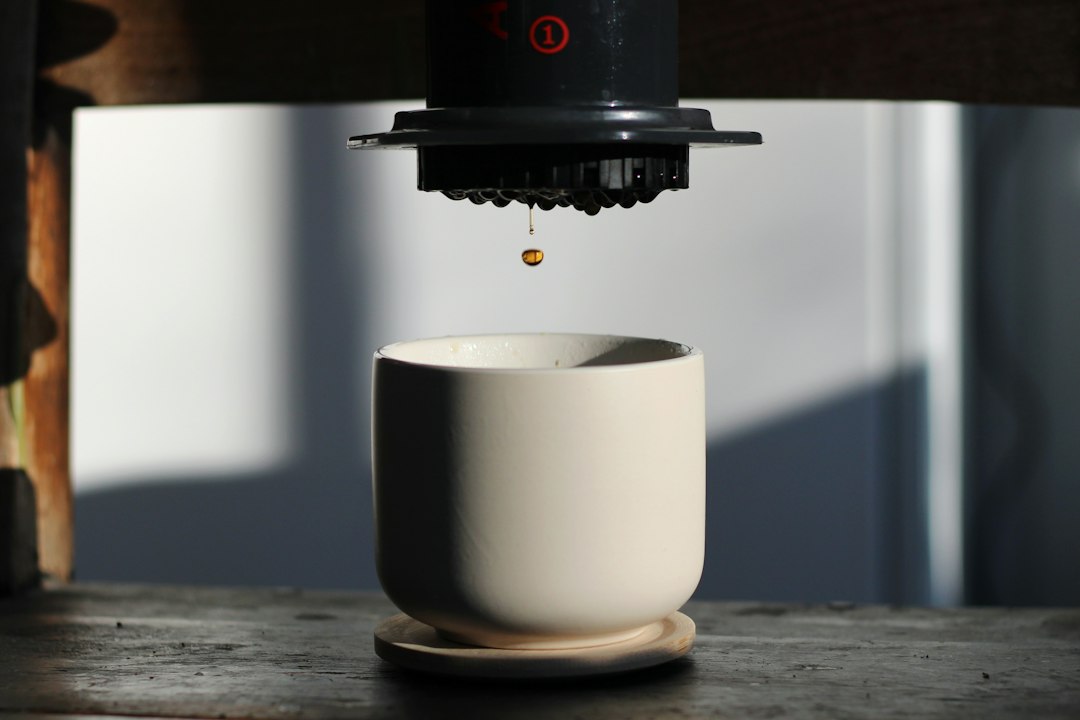
Sour and watery means too little has dissolved. Bitter means too much. Only ever change one variable, otherwise you won’t know what worked.
| Problem | Likely cause | What helps |
|---|---|---|
| sour, thin, little sweetness | under-extracted | grind finer first, then brew hotter |
| bitter, dry | over-extracted | grind coarser, brew cooler or steep for less time |
| plunger is hard to push | grounds too fine | grind coarser instead of pressing harder |
| coffee runs through before pressing | grounds too coarse | grind finer, insert the plunger 1 cm straight away or brew inverted |
Grind settings in clicks only apply to the exact grinder a recipe was developed on. Grinders that grind evenly produce less dust, as explained in electric coffee grinders: flat or conical burrs. The roastery recommends paper rather than a metal filter, because it makes the coffee clearer.
How to find your AeroPress recipe:
- Start with the basic recipe: 16 g, 200 ml, 90°C, one minute.
- Weigh coffee and water instead of guessing with the measuring scoop.
- If it tastes sour, grind one step finer next time.
- If it tastes bitter, use water a few degrees cooler or grind coarser.
- Then try Hoffmann’s method and compare both cups side by side.
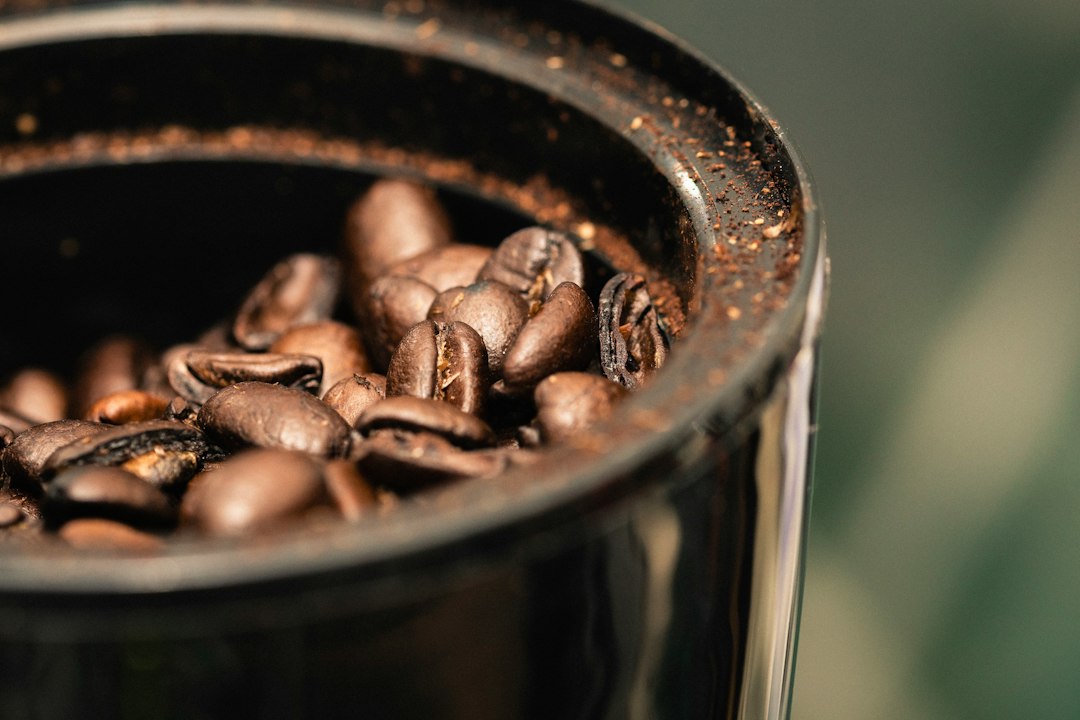
For your first cups, the basic recipe of 16 g of coffee, 200 ml of water and one minute of brew time is enough. After that, you can try Hoffmann’s long version or Adler’s short concentrate alongside it. Note down every change next to your scales.
Last updated: 24 October 2026.
Sources
- AeroPress, Inc.: About AeroPress, Inc. and Alan Adler, undated, accessed 24 October 2026.
- Benjamin Hohlmann, Kaffeemacher: AeroPress Anleitung (in German), 13 June 2026.
- Karolina Kumstova, European Coffee Trip: The Original AeroPress Recipe by its Inventor Alan Adler, 17 January 2018.
- AeroPrecipe: James Hoffmann’s Ultimate AeroPress Recipe (summary of the video), undated, accessed 24 October 2026.
- Pixel Envy: James Hoffman’s AeroPress Technique, 21 April 2021.
- Tim Wendelboe: Brewing guide AeroPress, undated, accessed 24 October 2026.
- World AeroPress Championship: 2025 World AeroPress Championship, undated, accessed 24 October 2026.
- Constance Romero, AeroPress: 1st: Némo Pop, Australia (2025), 18 October 2026.
- AeroPress: 1st: George Stanica, Romania (2024), 19 October 2026.
- BeanScene: World AeroPress Champion 2024 crowned in Portugal, 23 September 2024.
- AeroPress: 1st: Tay Wipvasutt, Thailand (2023), 4 October 2026.
- BeanScene: Ekameth Wipvasutti wins 2023 World AeroPress Championship, 5 December 2023.