Chocolate is above all a treat with a lot of sugar and fat. A piece of dark chocolate fits into a balanced diet, but it is no health remedy.The EU claim on cocoa flavanols, the COSMOS trial, sugar and calories, and cadmium and lead.
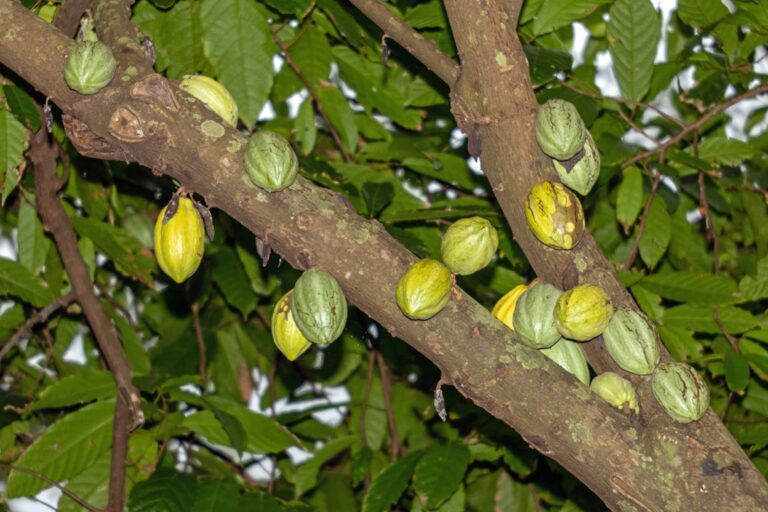
Chocolate’s good reputation rests on flavanols. These are plant compounds from the polyphenol group, in cocoa mainly epicatechin, catechin and short chains of them. They are found in the bean, and a large part is lost during processing. An ordinary bar does not say how much is left.
So far, only an effect on the blood vessels has been proven, and only under clear conditions. Protection against heart attacks or diabetes has not been demonstrated. Sugar, calories and heavy metals are therefore part of the picture too.
The EU claim: what the packet is allowed to say
The basis is a July 2012 opinion from the European Food Safety Authority (EFSA), applied for by a large cocoa processor. Its nutrition panel considered it proven that cocoa flavanols help the arteries keep their ability to widen when blood flow increases. According to EFSA, exactly how this works is unknown.
The European Commission authorised the claim for cocoa drinks and dark chocolate in 2013, and capsules and tablets with cocoa extract followed in 2015. The official wording is ‘Cocoa flavanols help maintain the elasticity of blood vessels, which contributes to normal blood flow’. After five years of exclusivity for the applicant, any manufacturer that meets the conditions may use it.
| Point | What the EU requires |
|---|---|
| Daily amount | at least 200 mg cocoa flavanols |
| Flavanols counted | degree of polymerisation 1 to 10, meaning single units and short chains |
| Products | cocoa drinks with cocoa powder, dark chocolate, capsules or tablets with flavanol-rich cocoa extract |
| Mandatory statement | effect with a daily intake of 200 mg cocoa flavanols |
| EFSA example | 2.5 g flavanol-rich cocoa powder or 10 g flavanol-rich dark chocolate |
EFSA explicitly refers to flavanol-rich products. Any bar with 70 per cent cocoa does not automatically meet the condition, and milk chocolate is excluded altogether. The statement describes maintaining a normal body function. It says nothing about preventing or treating disease.

COSMOS: the large trial with cocoa extract capsules
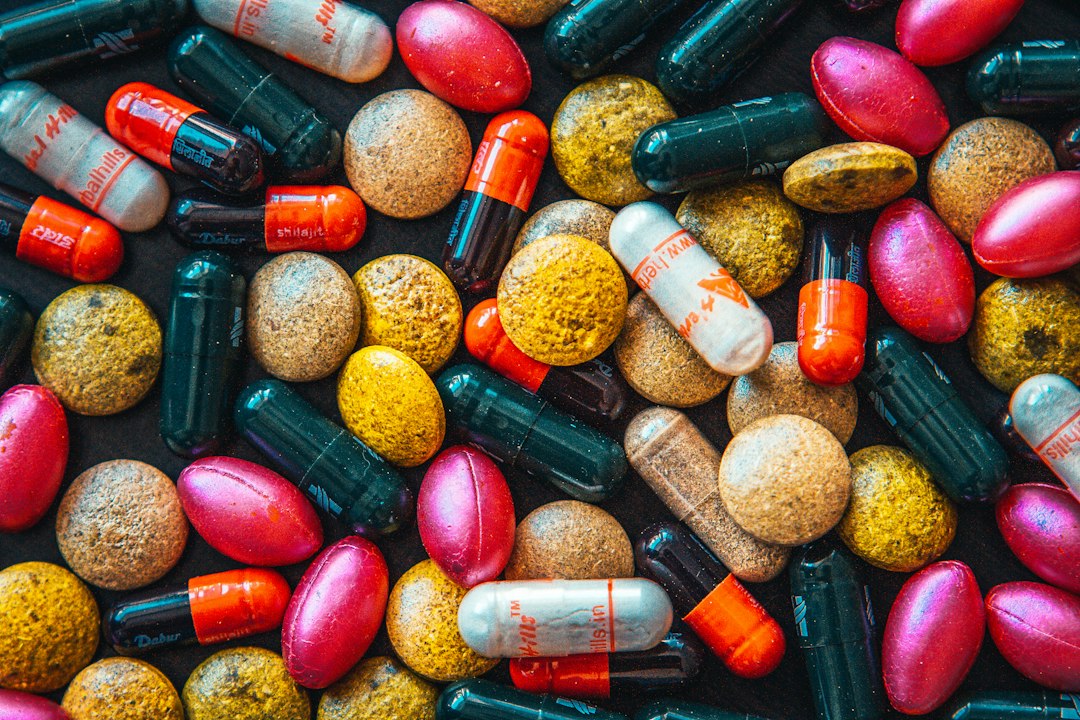
The US trial COSMOS set out to find whether more elastic blood vessels mean fewer heart attacks in the long run. It was randomised and placebo-controlled. 21,442 older adults without known cardiovascular disease or cancer took part, with an average age of 72. Half took capsules with 500 mg of cocoa flavanols every day, the other half a placebo.
| Measure | Cocoa | Placebo | Result |
|---|---|---|---|
| Cardiovascular events (primary outcome) | 410 | 456 | minus 10 %, not significant (HR 0.90; CI 0.78 to 1.02) |
| Cardiovascular deaths (secondary outcome) | n/a | n/a | minus 27 % (HR 0.73; CI 0.54 to 0.98) |
| Total deaths | 353 | 397 | not significant |
After an average of 3.6 years, the trial missed its primary outcome. The fall in cardiovascular deaths concerns a secondary outcome and counts only as an indication, so the authors call for a further trial. The extract had no significant effect on cancer.
COSMOS was partly funded by the US National Institutes of Health (NIH). The health division of a US confectionery group provided capsules and a grant, without influence on design or analysis according to the trial leaders. The principal investigator stressed that COSMOS was not a chocolate study. With chocolate, she said, this amount of flavanols could only be reached with a great deal of calories, fat and sugar.
Chocolate itself: observational studies with limits
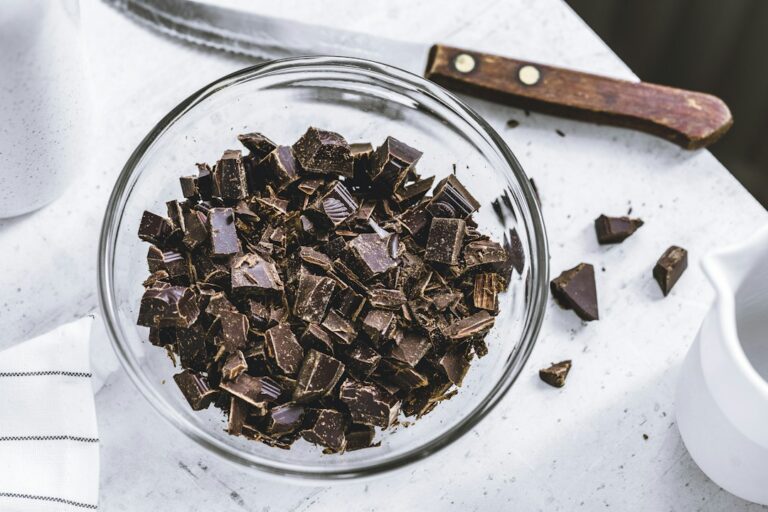
For chocolate itself, there are mainly observational studies. The largest so far appeared in the British Medical Journal in December 2024 and analysed three US cohorts with 192,208 health professionals. Eating at least five servings of dark chocolate a week was linked to a 21 per cent lower risk of type 2 diabetes. No such link was found for milk chocolate.
Data like these show an association, not an effect. People who prefer dark chocolate may live differently in other ways too, and intake was based on questionnaires. Two authors declared links to food companies, including the corporate division that supplied the COSMOS capsules.
From bean to bar: where the flavanols are lost
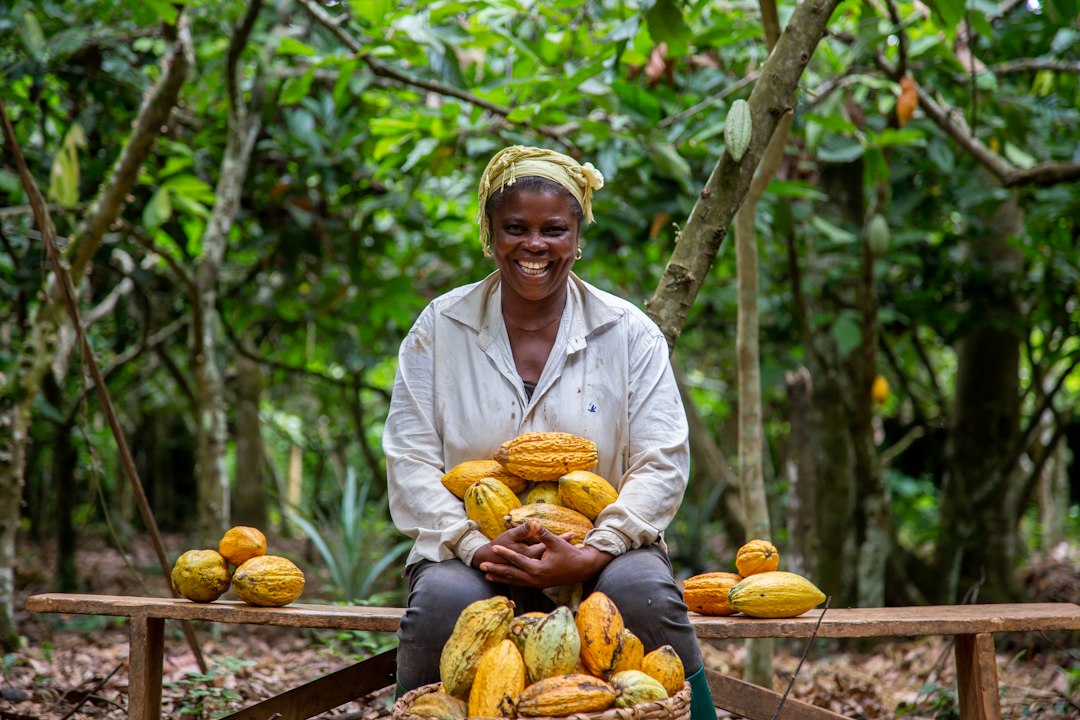
The cocoa percentage tells you little about the flavanol content. Each step, described in bean-to-bar: how chocolate is made, breaks some of them down. Researchers at a US chocolate maker measured the stages in 2010. Fermentation is still essential, because it creates the chocolate aroma in the first place, as cocoa fermentation and flavour shows.
| Step | Epicatechin (2010 measurements) |
|---|---|
| Ripeness | unripe beans 29 % more than fully ripe |
| Fermentation | falls with duration |
| Roasting | losses from 70°C, up to 88 % at 120°C |
| Alkalising | up to 98 % loss in the end product |
Alkalising treats cocoa with an alkali to make it darker and milder. Natural cocoa powder therefore usually contains more flavanols. Hot chocolate made from real chocolate is also a treat and not a supplement.
Sugar and calories: what 100 grams contain
Dark chocolate also provides a lot of energy. The Norwegian food composition table gives 578 kcal per 100 g for 70 per cent cocoa and 541 kcal for milk chocolate. The big difference is the sugar.
| Per 100 g | dark 70 % | milk chocolate |
|---|---|---|
| Energy | 578 kcal | 541 kcal |
| Fat | 43.9 g | 32.3 g |
| Sugar | 28.2 g | 52.4 g |
| Fibre | 11 g | 3 g |
| 25 g piece (our conversion) | around 145 kcal, 7 g sugar | around 135 kcal, 13 g sugar |
The World Health Organization recommends getting no more than 10 per cent of daily energy from free sugars. At 2,000 kcal, that is around 50 g (our conversion). According to the Austrian Agency for Health and Food Safety (AGES), adults reach this with a single bar. Individual bars differ, and the nutrition table on the packet shows the exact values.
Cadmium and lead: maximum levels and tests
Cadmium passes from the soil into the bean. According to AGES, this is often more pronounced in cocoa from Central and South America with its volcanic soils. It accumulates mainly in the kidneys. Tiered EU maximum levels have applied since 1 January 2019, now in Regulation (EU) 2023/915.
| Product | EU maximum level | Austrian average 2010 to 2018 |
|---|---|---|
| Milk chocolate below 30 % total dry cocoa solids | 0.10 mg/kg | 0.03 mg/kg (below 41 % cocoa) |
| Chocolate below 50 %, milk chocolate from 30 % | 0.30 mg/kg | n/a |
| Chocolate from 50 % total dry cocoa solids | 0.80 mg/kg | 0.15 mg/kg (above 41 % cocoa) |
| Cocoa powder for consumers | 0.60 mg/kg | 0.35 mg/kg |
In the AGES checks from 2019 to 2023, all samples contained cadmium, but none exceeded the maximum level. For a child weighing 30 kg, AGES gives 10.7 µg per day as tolerable. A 25 g piece of dark chocolate at the Austrian average contains around 3.8 µg, and 20 µg at the maximum level (our calculation). According to the European Commission, however, the main sources are cereals, vegetables and potatoes.
In December 2020, Stiftung Warentest, Germany’s consumer testing organisation, found no exceedances in 24 dark chocolates. The highest reached about 70 per cent of the maximum level. In December 2024, the German consumer magazine Öko-Test rated one of 21 bars as elevated for cadmium.
The EU has no specific maximum level for lead in chocolate. A US analysis of 72 cocoa products from July 2024 looked at lead per serving. In 43 per cent, it exceeded the Californian precautionary value of 0.5 µg a day. The authors consider one serving a day safe for most people. Three of the five authors worked for the testing company.
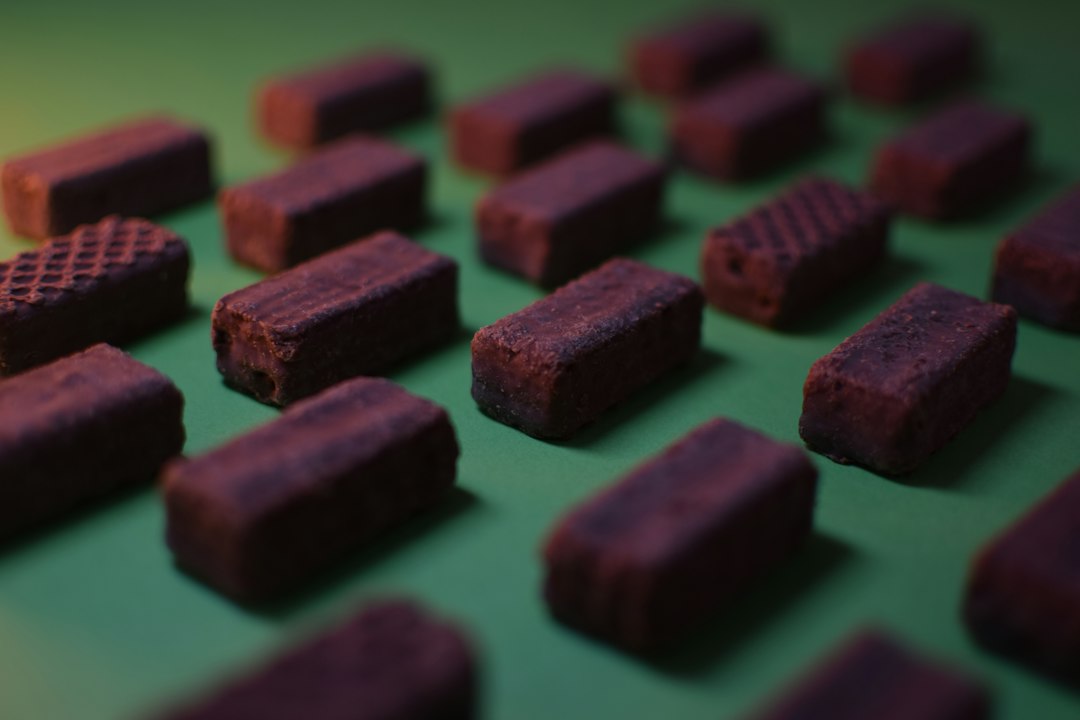
Many makers state the origin and cocoa content, more on this in craft chocolate from Germany, Austria and Switzerland. The simplest approach is still to vary what you buy and enjoy dark chocolate in small pieces.
Last updated: 24 October 2026.
Sources
- EFSA NDA Panel, EFSA Journal 10(7):2809: Health claim related to cocoa flavanols and maintenance of normal endothelium-dependent vasodilation, July 2012.
- European Commission, Regulation (EU) No 851/2013: Authorisation of health claims (cocoa flavanols), 3 September 2013.
- European Commission, Regulation (EU) 2015/539: Zulassung einer gesundheitsbezogenen Angabe (Kakaoextrakt) (in German), 31 March 2015.
- Sesso et al., Am J Clin Nutr: Cocoa flavanol supplementation and cardiovascular disease events: COSMOS, 2022.
- Hospital Pharmacy Europe: RCT finds cocoa flavanol supplement failed to reduce cardiovascular events, 4 July 2022.
- Brigham and Women’s Hospital via ScienceDaily: Trial testing cocoa flavanol supplement (press release), 16 March 2022.
- Liu et al., BMJ 2024;387:e078386: Chocolate intake and risk of type 2 diabetes, 4 December 2024.
- HealthDay: Dark chocolate linked to lower risk for T2DM, 5 December 2024.
- Payne et al., J Agric Food Chem 2010; report by NutraIngredients: Alkaline processing reduces cocoa’s flavanol content, 14 March 2011.
- Matvaretabellen: Chocolate, dark, 70 % cocoa, accessed 24 October 2026.
- Matvaretabellen: Chocolate bar, milk, accessed 24 October 2026.
- AGES: Schokolade (in German), accessed 24 October 2026.
- European Commission: Cadmium in chocolate, accessed 24 October 2026.
- European Commission: Contaminants catalogue: Cadmium, accessed 24 October 2026.
- European Commission, Regulation (EU) 2023/915: Höchstgehalte für Kontaminanten (in German), 25 April 2023.
- Stiftung Warentest, test 12/2020: Dunkle Schokolade im Test (in German), 2 December 2020.
- Öko-Test 12/2024: Zartbitterschokolade im Test (in German), 23 December 2024.
- Hands et al., Frontiers in Nutrition 11: Heavy metal analysis of 72 dark chocolate and cocoa products, 31 July 2024.