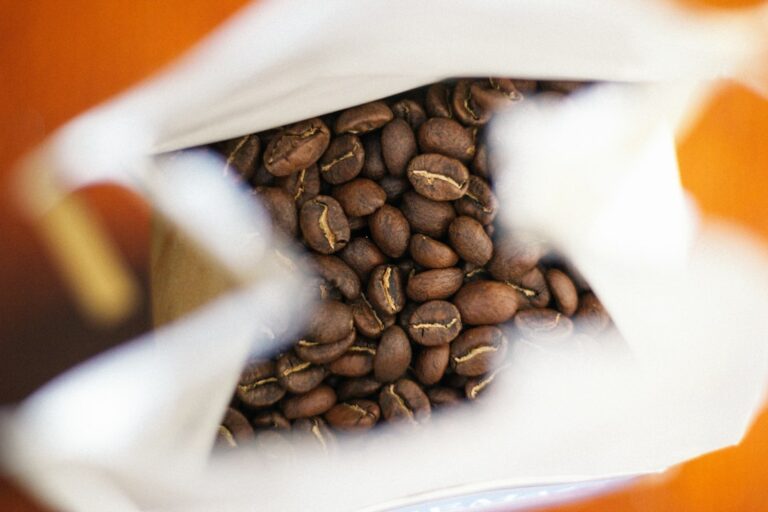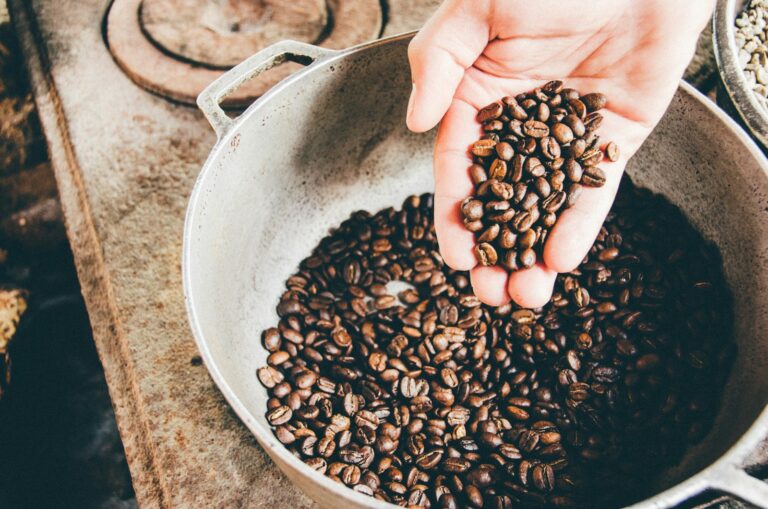
Washed coffee usually tastes clean and bright, a natural fruity and full-bodied, and honey sits in between with more sweetness. The difference is how much fruit dries on the bean.The three methods compared, honey grades, anaerobic fermentation and a tasting to try at home.
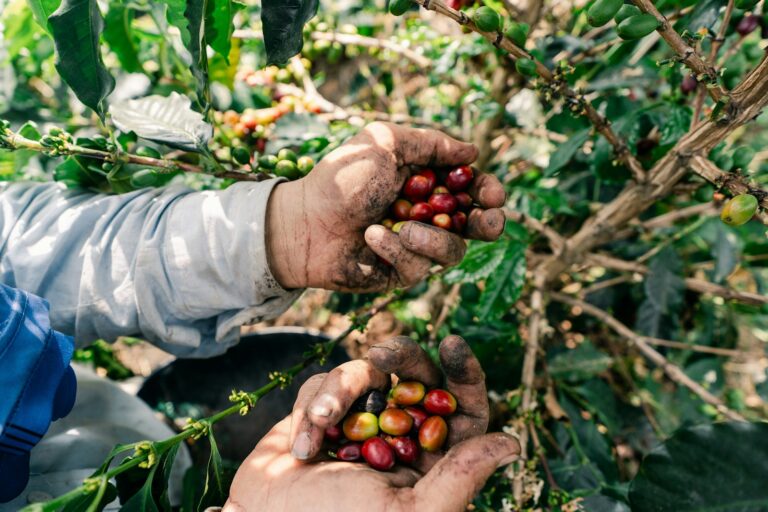
The coffee bean is the seed of a cherry. Around it lie skin, pulp and a sticky, sugary layer of mucilage. In Central America this layer is called ‘miel’, meaning honey. Beneath it sits a thin parchment skin.
After the harvest the seed has to dry, or it spoils. According to the green coffee importer Cafe Imports, microorganisms can no longer take hold below about 11 % moisture. The roastery Ozone gives 10 to 12 % as the target. How much fruit stays on the bean until then is what separates the three methods.
Our selection is editorial, there are no paid placements. Links marked * are affiliate links to Amazon Germany (amazon.de): if you buy through them, we receive a small commission at no extra cost to you. We have not tested the products ourselves; pros and cons are based on manufacturer information and retailer descriptions. Prices are guide prices from German shops as of October 2026, and prices and availability on Amazon may differ.
The three methods compared: lots of fruit, little or none
With a natural, the whole cherry dries. With a washed coffee, the fruit is removed completely before drying. Honey sits in between, because all or part of the mucilage stays on. Effort, risk and flavour follow from this.
| Washed | Honey | Natural | |
|---|---|---|---|
| removed before drying | skin, pulp, mucilage | skin and pulp, all or part of the mucilage stays | nothing, the whole cherry dries |
| fermentation step | in a tank, 8 to 72 hours | no separate tank | happens inside the fruit during drying |
| drying in the Yunnan trial | 9 days | 10 days | 19 days |
| water use | high, depending on technique | low, the bean is not washed | hardly any |
| typical flavour | clean, distinct acidity, light body | rounder acidity, more sweetness and chocolate | fruity to winey, heavy body |
| main risk | water and wastewater | mould, clogged hulling machines | mould and over-fermentation |
The drying days come from a single trial with arabica from the Chinese province of Yunnan. They show the proportions, not fixed values. Weather, altitude and drying bed change the duration a great deal. The flavour notes are tendencies. Variety, ripeness and roast have a big say too.
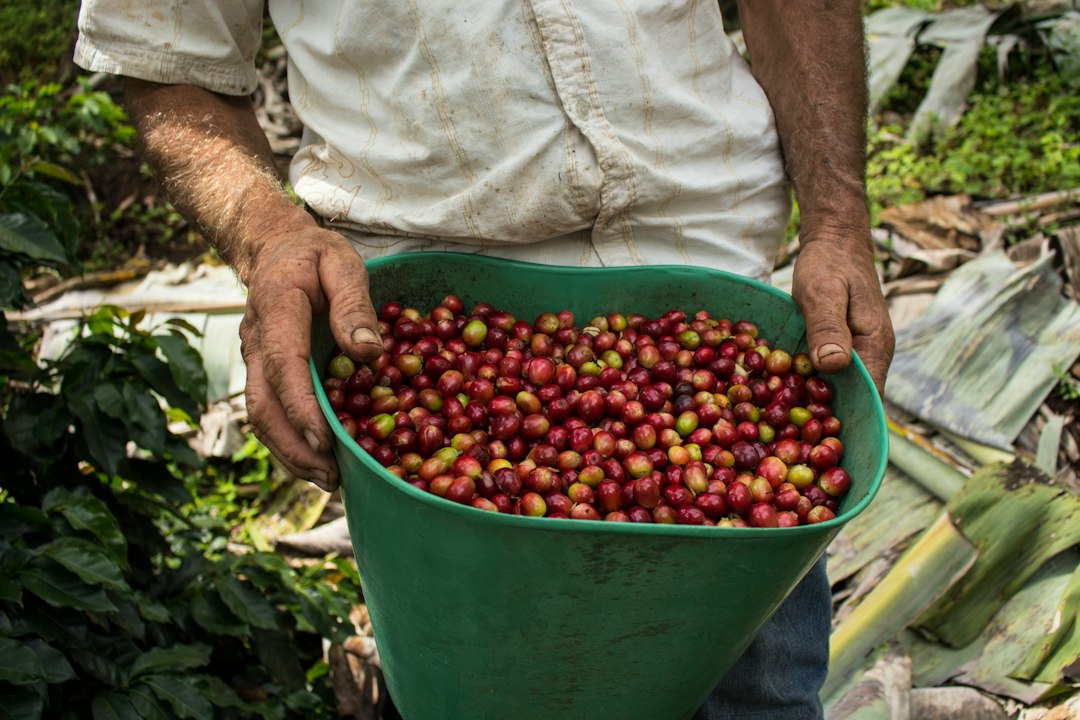
Natural: the whole cherry dries in the sun
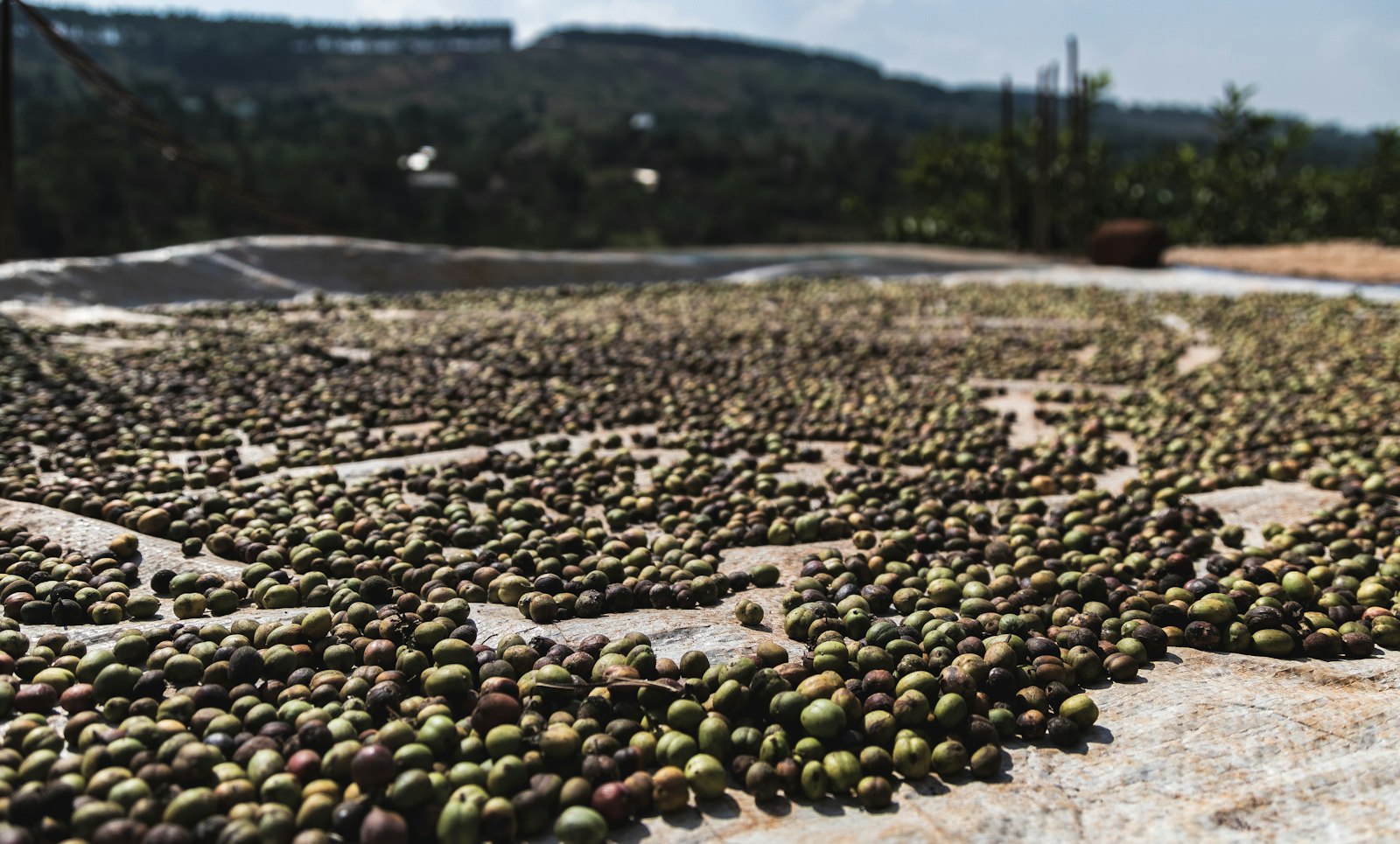
Natural processing needs no washing station. The cherries are sorted and spread out on patios, raised beds or drying tables. According to Cafe Imports, drying takes up to 30 days on average if the weather plays along. A machine then hulls off the hard, dried husk.
The method is common above all in Ethiopia, Yemen, Brazil and Costa Rica. It needs a lot of space and labour. Fermentation starts at picking and continues during drying. So the cherries have to be turned regularly, or mould and over-fermentation set in.
A successful natural tastes fruity, often winey or slightly boozy. Nutty and chocolatey notes join in, with a heavy, almost syrupy body. If fermentation goes too far, the cup tastes of fermented fruit. Some people like exactly that, others consider it a defect.
Washed: dried without fruit, clean in the cup
For washed coffee, the cherries first go into water. Unripe and damaged fruit floats to the top and is skimmed off. A machine called a pulper then squeezes off the skin and pulp. The mucilage, however, clings firmly to the bean.
So the coffee usually ferments in a tank until yeasts and bacteria have broken down the layer. According to Ozone, this takes 8 to 72 hours, depending on altitude, temperature and the farm’s aims. In Kenya the first rinse is often followed by a soak of 12 to 24 hours. The clean coffee then dries to 10 to 12 % moisture.
Because hardly any sugar stays on the bean, washed coffee dries relatively safely. In flavour, the method stands for clarity, a distinct acidity and a lighter body. The aromas seem clearly separated from one another.
The price for this is water. In 2014 the Colombian coffee research institute Cenicafé compared washing methods. It measured litres per kilogram of dried parchment coffee.
| Washing method according to Cenicafé | Water per kg of parchment coffee |
|---|---|
| washing channel (correteo) | 28 to 35 l |
| tank, stirred by hand | around 4.2 l |
| BECOLSUB 2500 machine | 1.0 l |
| ECOMILL 1500 machine | 0.4 l |
On top of that comes wastewater full of sugar and fruit residue, which has to be treated. According to Barista Hustle, the oldest known account of washing coffee was written by the French planter Laborie. He described it in 1798 for the Caribbean colony of Saint-Domingue.
Honey: yellow, red, black and what the colours mean
With honey processing, the pulper removes skin and pulp. All or part of the mucilage stays on the bean and dries with it. The name describes its sticky texture. No honey is added.
According to Coffee Review, producers in Brazil developed the related pulped natural method, probably in the 1990s. In Costa Rica the name honey caught on. The Las Lajas mill came to it by accident in 2008. An earthquake cut off its water for weeks in the middle of the harvest, so it dried with the fruit on. The first tasters found it unclean, but later this very sweetness was in demand.
Packs often show colours. They are not standardised, and the sources describe them differently. According to Barista Magazine, most mills control the colour by how much mucilage they remove before drying.
| Grade | according to Barista Magazine | according to Coffee Review |
|---|---|---|
| Yellow Honey | most of the mucilage is removed | part of it is removed by machine |
| Red Honey | about half is removed | all the mucilage stays on |
| Black Honey | all the mucilage stays on | very sweet cherries from the main season, dry darker than red |
Las Lajas even always leaves all the mucilage on and controls the colour through drying. Coffee Review tasted 19 honey coffees from Central America. Their acidity was rounder than in washed coffees, less citrusy and more chocolatey, and they were usually sweeter. The biggest risks are mould and hulling machines clogged by the sticky layer.
What studies show: acidity, sugar and a trial from Yunnan
In 2025 a research team processed cherries from the same arabica plantation in all three ways. The washed lot fermented for 36 hours, while the honey lot went straight to drying after pulping. Three trained tasters with Q Grader certificates scored the cups. Acidity was highest in the washed coffee and lowest in the natural.
The natural tasted of almond, honey, maple syrup and dried fruit, with a slightly boozy note. Washed and honey were similar and showed caramel and citrus, the honey a floral note as well. All samples scored over 80 points. It was one lot from one region, so the results cannot be generalised.
Researchers in Braunschweig studied the sugar in green coffee back in 2010. Washed beans contain considerably less glucose and fructose than natural ones. Hardly any sugar is rinsed out in the process. It dropped sharply on the first day of drying, without any water at all. The researchers explain this by the metabolism of the still living seed.
Sucrose, by far the most common sugar in green coffee, stayed almost the same at around 6000 mg per 100 g of dry matter. Glucose and fructose make up only a small part of this. Roast level also shifts acidity and sweetness; for more, see the comparison of light, medium and dark roasts.
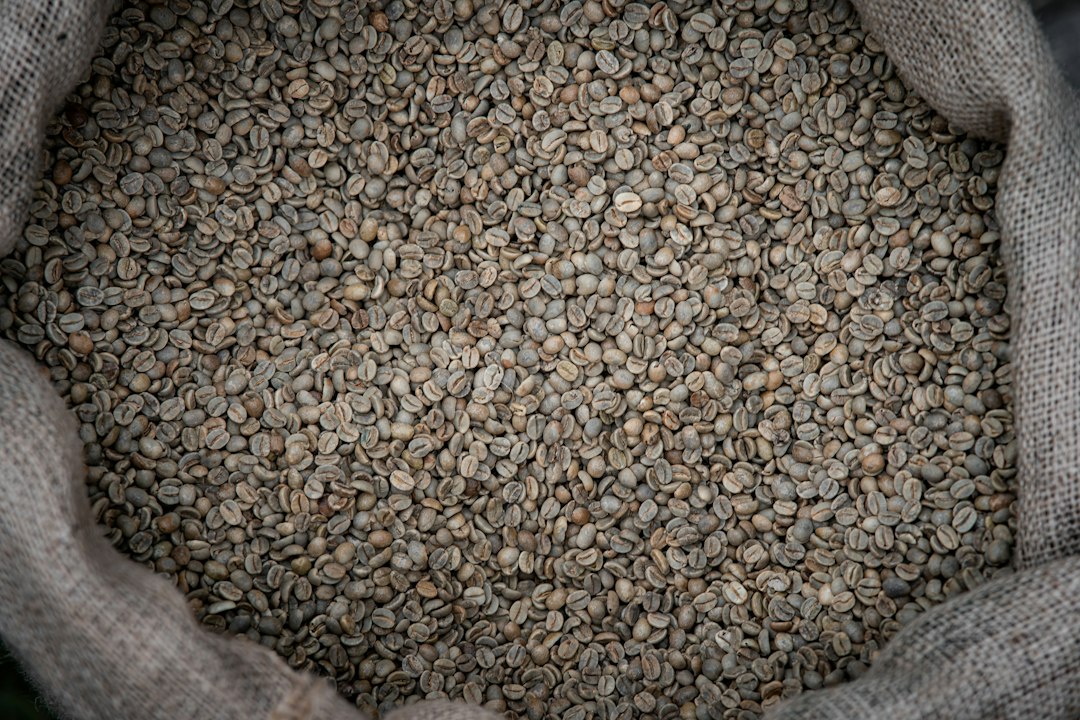
How to taste the processing yourself:
- Buy two coffees from the same roastery and region, one washed and one natural.
- Make sure the roast level is similar, or you will be comparing the roast as well.
- Brew both the same way, ideally as pour-over with the same dose and grind setting.
- Let the cups cool a little and taste them in turn.
- Note where acidity, fruit and body stand out, and add a honey coffee later.
Our recommendations
Hand grinder · around €205 to €225
Comandante C40 MK4 Nitro Blade Alpine Lagoon
Pros: Each setting clicks into place, and according to the retailer filter is at 20 to 25 clicks. This lets you grind the washed and the natural exactly the same.
Cons: Not dishwasher-safe. For fine espresso steps, the retailer recommends an add-on sold separately.
Dripper · around €40
Hario V60 Porzellan Größe 02 Matte Black
Pros: One dripper for both coffees, as in the tip above. Size 02 is enough for one to four cups.
Cons: €39.90 from the manufacturer, while the glass version costs €18.90 in shops. Around 400 g including packaging.
Our selection is editorial, there are no paid placements. Links marked * are affiliate links to Amazon Germany (amazon.de): if you buy through them, we receive a small commission at no extra cost to you. We have not tested the products ourselves; pros and cons are based on manufacturer information and retailer descriptions. Prices are guide prices from German shops as of October 2026, and prices and availability on Amazon may differ.
Recipes and grind sizes for the comparison are in the guide to V60, Kalita Wave and Chemex pour-over.
Anaerobic and carbonic maceration: fermentation without oxygen
For some years now, packs have also said ‘anaerobic’ or ‘carbonic maceration’. This means fermentation sealed off from air, in closed bags, barrels or tanks. According to Coffee Review, it usually lasts around one to six days, followed by drying. With carbonic maceration, carbon dioxide is also pumped in to push out the oxygen.
Anaerobic is not a fourth method. The fermentation step can be combined with whole cherries or with pulped coffee, which is then washed or dried as a honey. The idea comes from winemaking. According to Sprudge, the Australian Sasa Sestic is seen as a pioneer in coffee. He became World Barista Champion in 2015 with a Colombian coffee processed this way.
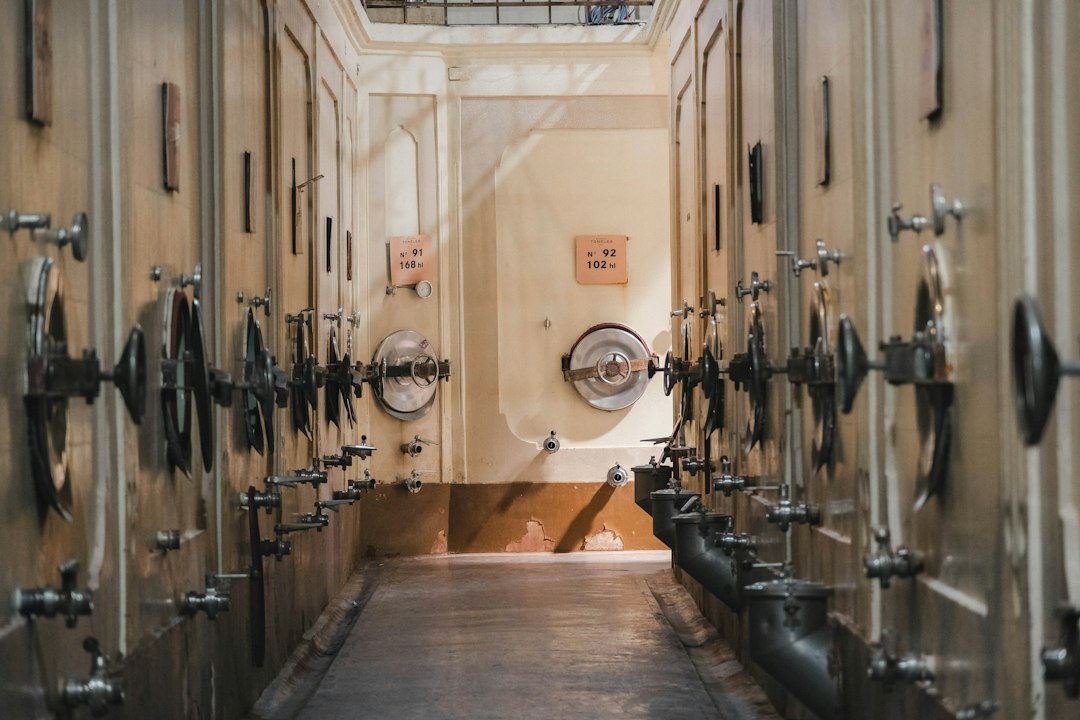
How the cup tastes depends heavily on temperature. The Nicaraguan farm Fincas Mierisch describes warm fermentations with notes of cinnamon, clove and brown sugar. Cool fermentations at 8 to 10°C bring a cleaner, lively acidity. Because a failed fermentation can cost the whole lot, the farm works with no more than ten 69 kg bags at a time.
In 2021 Coffee Review tasted a total of 43 anaerobic coffees. Typical traits were great intensity, full body and often more sweetness. Lactic notes such as yoghurt or kefir appeared too, sometimes also earthy or spicy tones. With coffees like these, read the roastery’s tasting notes carefully.
For buying, a simple rule of thumb is enough. If you like clean filter coffees with distinct acidity, choose washed. If you are after fruit and fullness, try a natural, and for sweetness with soft acidity, a honey. Fresh coffee helps the differences come through in the cup; tips are in the guide to storing coffee to keep it fresh.
All product details are based on manufacturer and retailer information; we have not tested the products ourselves.
Last updated: 24 October 2026.
Sources
- Cafe Imports: Natural Process, undated, accessed 24 October 2026.
- Ozone Coffee: Washed Process Coffee Explained, undated, accessed 24 October 2026.
- Oliveros, C. E. et al., Cenicafé 65(1), 44 to 56: Tecnología de bajo impacto ambiental para el lavado del café en proceso con fermentación natural (in Spanish), 2014.
- Anja Rahn, Barista Hustle: Washed Coffee’s Chocolaty Origins, 30 July 2024.
- Kenneth Davids, Coffee Review: Honey and Pulped Natural Coffees, 3 September 2012.
- Erin Meister, Barista Magazine: Hello, Honey: A Look at the Costa Rican Process That’s Making Coffee Colorful, 16 March 2017.
- Wang, Y. et al., Current Research in Food Science 10, 101108: Lipidomic profiling provides insights on Arabica coffee flavor diversity in different postharvest processing methods, 2025.
- Kleinwächter, M.; Selmar, D., Food Chemistry 119, 500 to 504: Influence of drying on the content of sugars in wet processed green Arabica coffees, 2010.
- Kenneth Davids, Kim Westerman, Coffee Review: Anaerobically Processed Coffees, 11 May 2021.
- Liz Clayton, Sprudge: What Does Anaerobic Fermentation Mean For Coffee?, 4 October 2022.
- Kaffeemacher: Comandante C40 MK4 Nitro Blade Handmühle (Alpine Lagoon, 222,00 €) (in German), accessed 24 October 2026.
- Geizhals, price comparison (including Aromatico, Coffee Circle, Moba Coffee): Comandante C40 MK4 Nitro Blade alpine lagoon (204,85 bis 225,00 €) (in German), prices as of 24 October 2026, accessed 24 October 2026.
- Hario Europe: V60 Ceramic Colour Drippers, 02 Size (Matte Black, €39.90), accessed 24 October 2026.
- Kaffeemacher: Hario V60 Filter 02 – Glas (18,90 €) (in German), accessed 24 October 2026.