To make the switch, you need a separate espresso grinder, scales and some practice as well as the machine. Allow three to five minutes per cup.Machine types compared, grinder and accessories, the first weeks with an espresso machine and running costs.
It usually starts with a bean-to-cup machine. It is convenient, makes coffee at the push of a button, and honestly, you don’t know any better yet. That is perfectly fine. Then you drink an espresso in a good café and suddenly notice the difference.
On the way home, you wonder why it doesn’t taste like that at home. The search for an answer often ends with an espresso machine. There, no automatic system grinds, doses and tamps for you any more. You do it yourself.
What changes in the cup: more coffee, a denser espresso
Why does the espresso in a café taste different? Inside, a bean-to-cup machine works much like an espresso machine. A grinder grinds, a piston compacts the coffee, and a pump forces hot water through it. The difference lies in the amount. A Swiss roastery that also sells machines and grinders gives the figures. A bean-to-cup machine uses about 8 g of coffee for 35 to 40 g of espresso.
| Bean-to-cup machine | Espresso machine | |
|---|---|---|
| coffee per shot | about 8 g | 14 to 19 g in a double basket |
| espresso in the cup | 35 to 40 g | 45 to 54 g from 18 g of coffee |
| dissolved coffee solids | 3 to 5 % | 7 to 9 % |
| steps | push of a button | dose, distribute, tamp, stop |
More coffee in less water makes a denser drink. The roastery estimates that a bean-to-cup machine reaches about 70 to 75 % of what an espresso machine can do. One reason it gives is the dead space in the grinder, where one or two portions of old coffee wait for the next shot. These are a retailer’s figures, not independent measurements.
Bean-to-cup machines also vary widely. In July 2026, Stiftung Warentest (Germany’s consumer testing organisation) got noticeably different quality from 36 machines using the same beans.
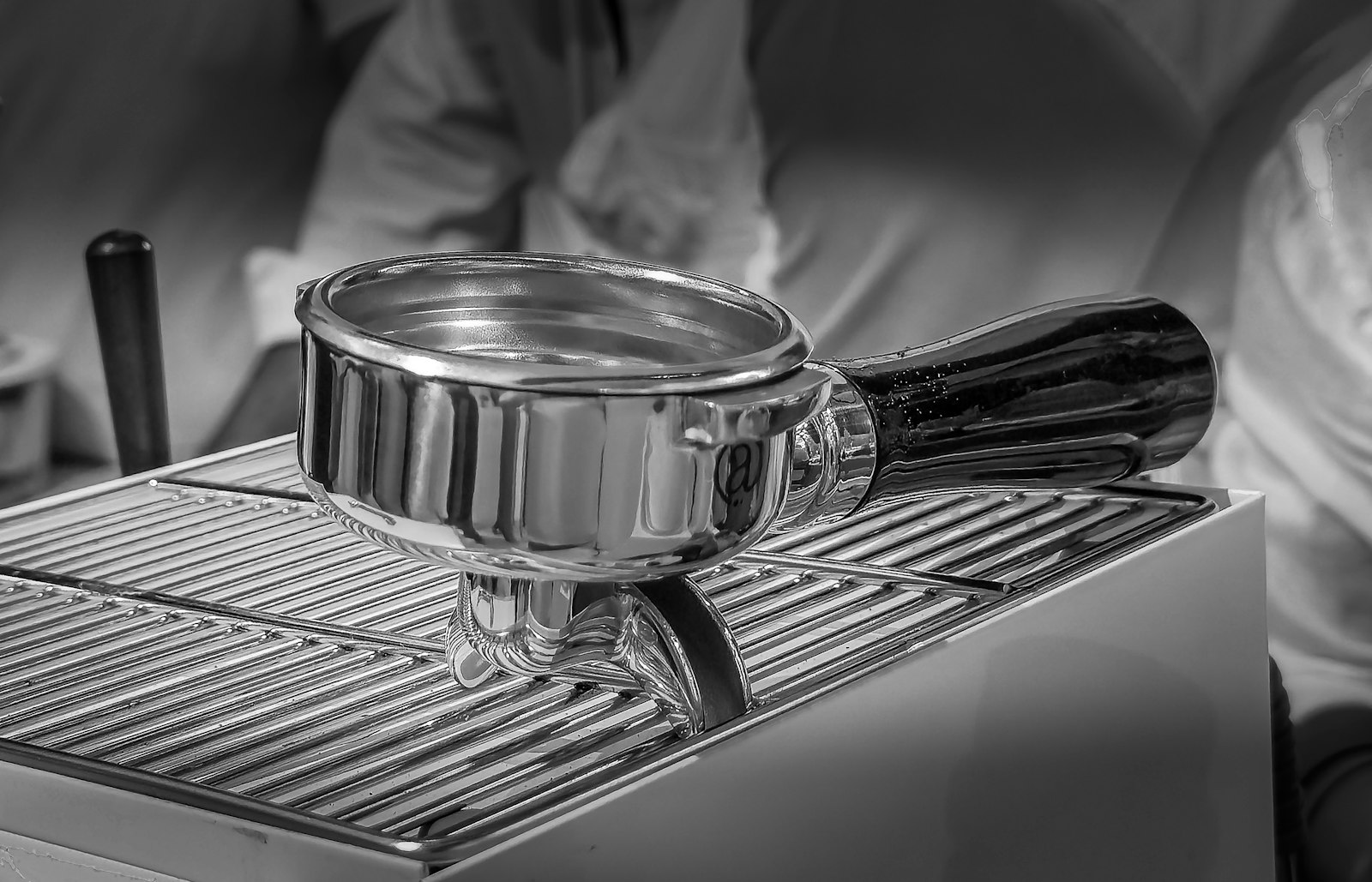
The machine types: thermoblock, single boiler, heat exchanger, dual boiler
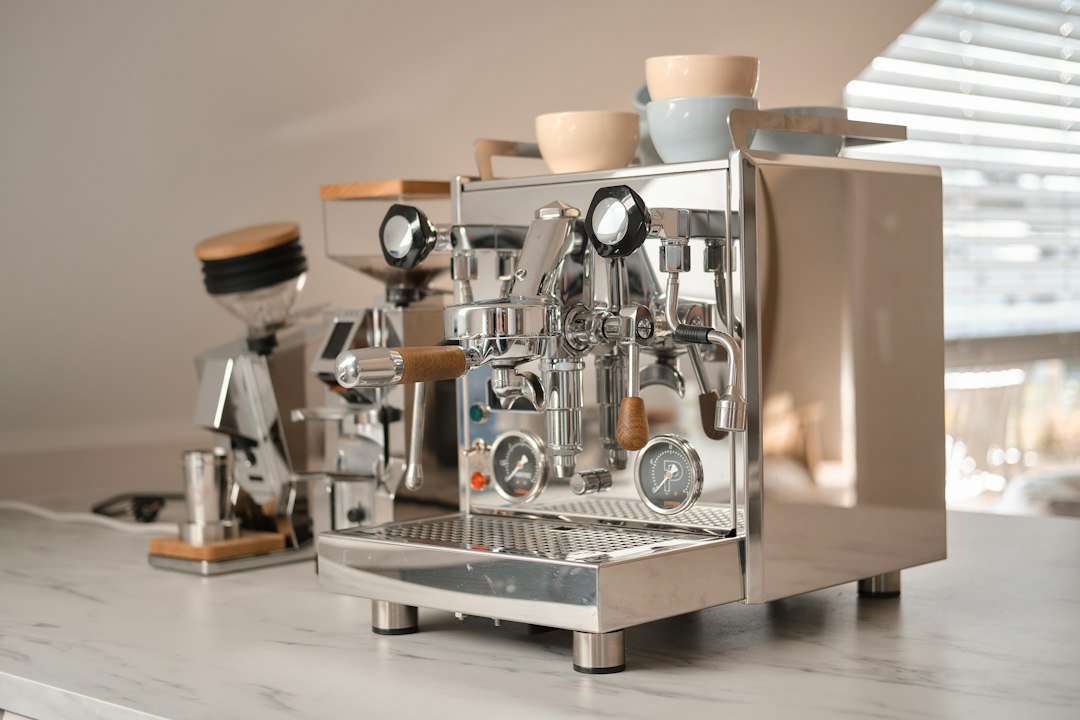
Espresso machines differ mainly in how they heat water for espresso and steam for milk. According to the roastery, espresso needs 90 to 96°C, and steam forms in the boiler at 120 to 130°C.
- Thermoblock: A heated metal tube warms the water as it flows through. Quick to heat and economical, but steam pressure for frothing milk is often lacking.
- Single boiler: A small boiler supplies brew water and steam one after the other. Between espresso and milk, you heat up and cool down again.
- Heat exchanger: A boiler holds steam temperature, and a heat exchanger inside it heats the brew water. Espresso and milk work at the same time.
- Dual boiler: Two separate boilers, with electronics controlling the brew temperature very precisely. You can switch the steam boiler off.
| Type | ready after | milk foam | dated prices |
|---|---|---|---|
| thermoblock | 3 to 10 minutes, with thick-film heating 2 to 4 minutes | usually weaker | budget up to €500 (2019 recommendation) |
| single boiler | boiler machines usually 20 to 30 minutes | only after the espresso | budget up to €1,000 (2019 recommendation) |
| heat exchanger | around 25 minutes | at the same time as the espresso | tested machine €1,699 (March 2026) |
| dual boiler | 8 minutes for the cheapest tested machine | at the same time and independently | cheapest tested from around €999 (August 2026) |
Stiftung Warentest last tested seven entry-level machines costing €156 to €455, although the test dates from late 2021. According to Warentest, a bean-to-cup machine without a milk system cost around €280 to €630 in July 2026. Several machines in the test cost €1,000 or more.
If you drink almost only espresso, the roastery says a thermoblock is enough. If you make milk drinks regularly, it recommends a dual boiler or a machine with combined heating.
Grinder and accessories: what sits next to the machine
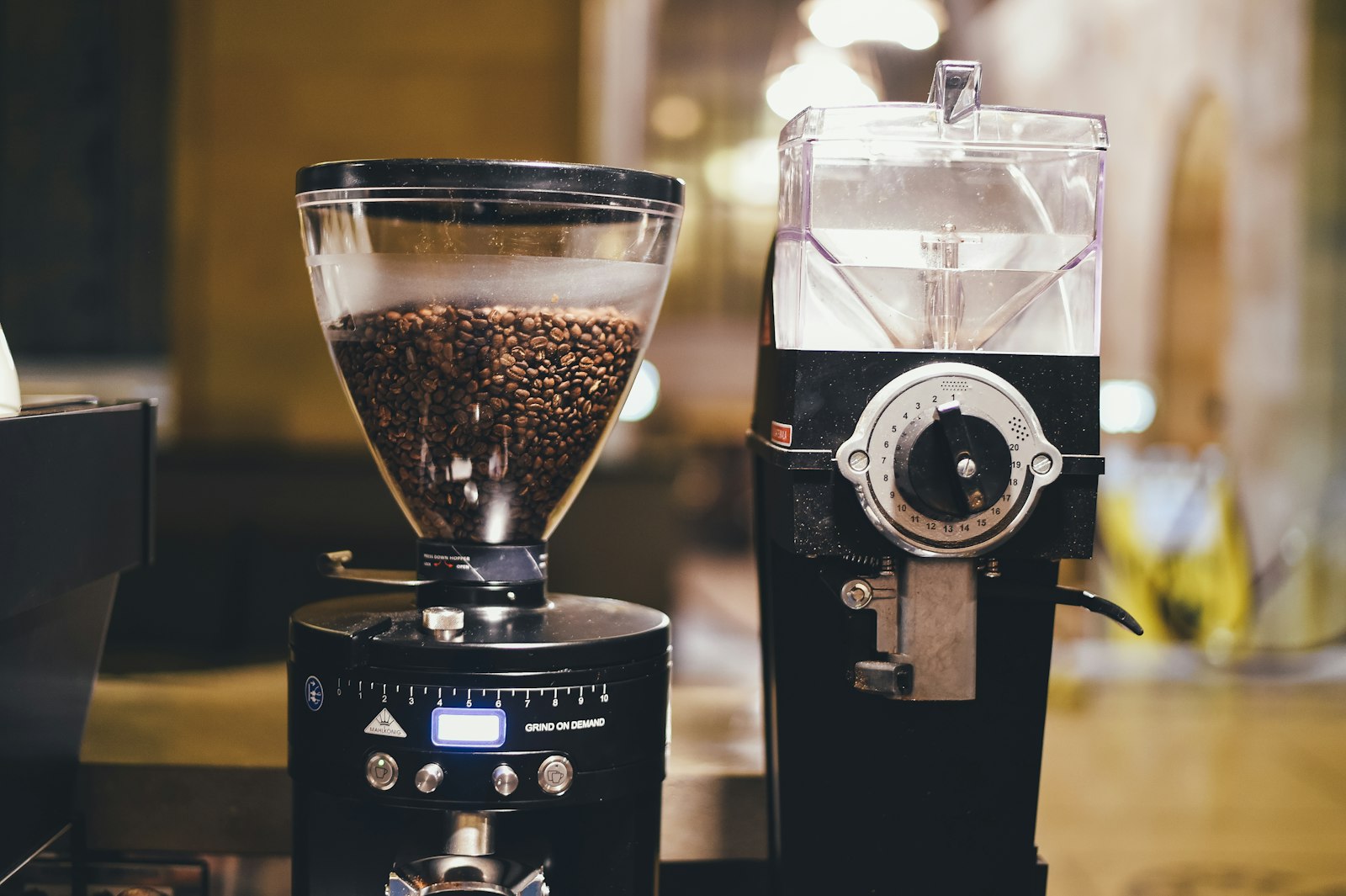
With an espresso machine, you need a separate grinder. It must grind finely and adjust in small steps. The grind size controls how fast the water runs through the coffee. Even an expensive machine cannot make up for a grinder with coarse steps.
The roastery’s advice on the grinder budget varies. In 2022 it recommended a quarter to a third of the budget, and in 2025 about as much as the machine for beginners. It advises against espresso machines with a built-in grinder, because you then cannot replace grinder and machine separately. Espresso grinders with little dead space cost around €250 to €750 in October 2026, as our comparison Electric coffee grinder: flat or conical burrs? shows.
You need fast scales reading to 0.1 g for every recipe. The tamper must fit the basket exactly, a needle tool breaks up clumps in the coffee, and you need a jug for the milk. Which parts help measurably is covered in Espresso accessories: what scales, a WDT tool and a tamper really do.
Prices in German shops on 24 October 2026: scales around €43, a tamper and a needle tool around €25 each, a milk jug around €15. Together that is around €110 (our calculation).
The first weeks: scales and notes get you there faster
Then the new machine is in the kitchen. The first shot rushes through in a few seconds. Welcome to the club. Your bean-to-cup machine came out of the box ready set up. With an espresso machine, dose, grind size and yield first have to suit the bean. Stiftung Warentest speaks of some practice and a delicate touch.
As a starting point, the roastery gives 18 g of coffee, 45 to 54 g of espresso and 25 to 28 seconds. If the time is off, change the grind size first. How to correct sour, bitter or thin shots is shown in How to dial in espresso: recipe, grind size and shot time.
With milk foam, things are the other way round. The bean-to-cup machine delivers it without practice, while the roastery reckons on hours of practice at the steam wand. In return, you decide the temperature and amount of foam yourself. The technique is explained in Milk foam for cappuccino: temperature, technique and oat drink.
How to make faster progress in the first weeks:
- Buy a larger amount of one espresso roast, so you don’t keep readjusting.
- Weigh every shot, even when it already tastes good.
- Change only one setting per shot, usually the grind size.
- Practise with the steam wand first using water and a drop of washing-up liquid.
- Put a slow boiler machine on a timer so it switches on before you get up.
Time in daily life: heating up, brewing and cleaning
The roastery reckons on three to five minutes per shot, including cleaning. Before that comes the heat-up time, 3 to 45 minutes depending on the model.
With an espresso machine, everything is out in the open when you clean. Daily cleaning takes less than a minute. Every two to three weeks, you backflush the group head with a blind basket without holes and cleaning powder, which takes about five minutes.
The bean-to-cup machine handles much of this with programmes, but some manual work remains. According to a guide from the German broadcaster ZDF, you rinse the brewing unit under running water weekly. You rinse the milk system several times a day, depending on use. Once a week it needs a thorough clean, because standing milk is a breeding ground for bacteria.
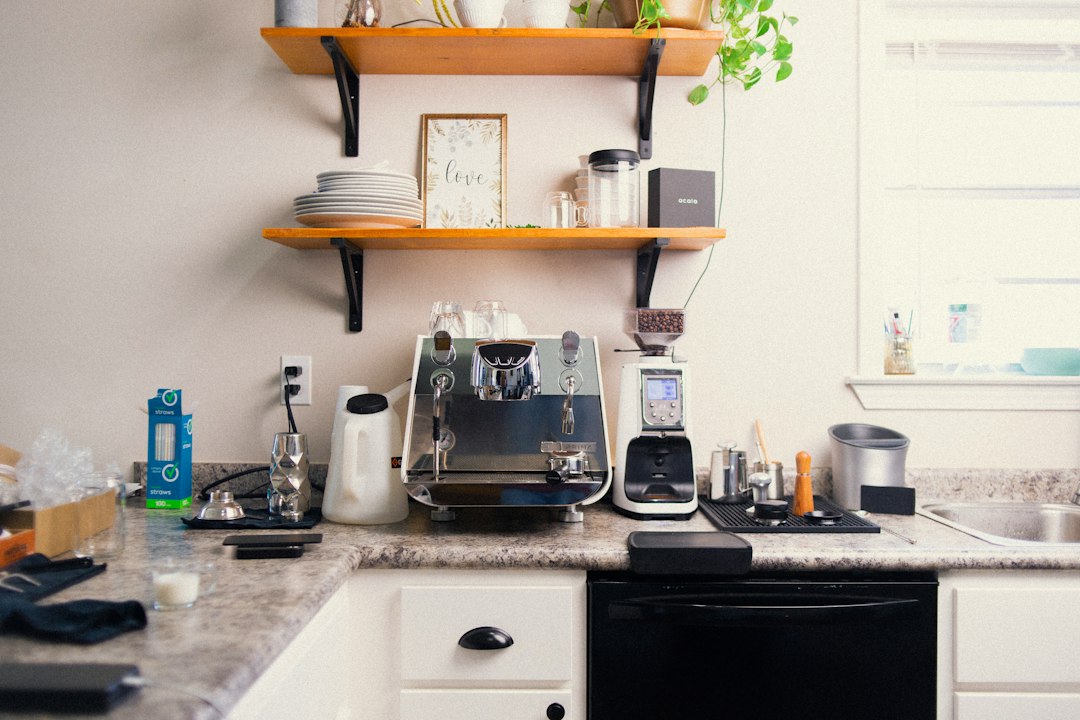
Running costs: more beans and, depending on the type, more electricity
Café-style espresso has its price, and it lies mainly in the beans. A double basket needs more than twice as much coffee as a shot from a bean-to-cup machine.
| Worked example | Bean-to-cup machine (8 g) | Espresso machine (18 g) |
|---|---|---|
| coffee per cup at €28 per kilo | around 22 cents | around 50 cents |
| 2 cups a day, per year | around €165 | around €370 |
The €28 per kilo is an assumption for beans from a small roastery, and the calculation is our own. With cheaper beans, both figures fall, but the ratio stays the same.
For electricity, what matters most is how long the machine stays hot and ready. We converted at 37.0 cents/kWh, the 2026 household average according to the German energy association BDEW.
| Roastery measurement | Consumption | Cost at 37 cents/kWh |
|---|---|---|
| thermoblock: heating up and 5 espressos without steam | 0.08 to 0.09 kWh | around 3 cents |
| heat exchanger: 25 minutes heating up and 5 espressos | 0.24 to 0.36 kWh | around 9 to 13 cents |
| heat exchanger: 4 hours ready, with cleaning | 0.68 to 1.06 kWh | around 25 to 39 cents |
If a heat exchanger stays ready for four hours every day, that adds up to around €90 to €140 a year. Since 2015, new household coffee machines in the EU must switch to standby or off no later than 30 minutes after the last shot.
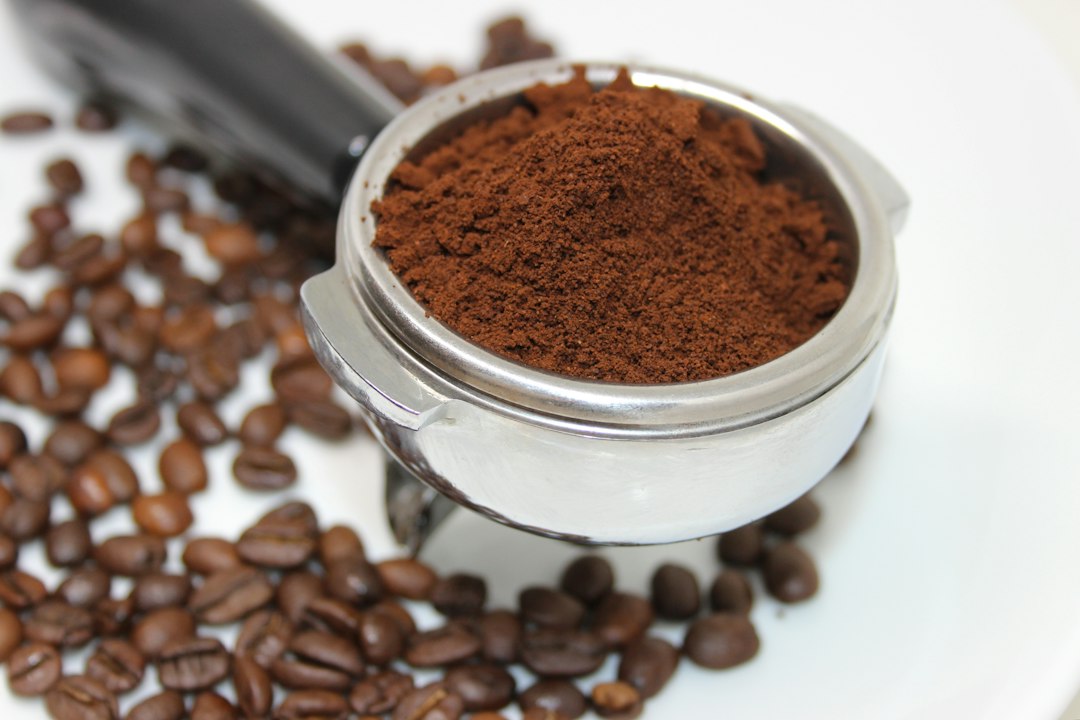
If you like fine-tuning the flavour, try different beans and have a few minutes in the morning, an espresso machine suits you well. If many people share the machine and want milk drinks quickly, a good bean-to-cup machine remains the more convenient option. If you mainly drink espresso, a thermoblock with a good grinder and scales is an affordable way in.
Last updated: 24 October 2026.
Sources
- Benjamin Hohlmann, Kaffeemacher: Siebträger oder Kaffeevollautomat? Der ehrliche Vergleich (in German), 2 March 2025.
- Benjamin Hohlmann, Kaffeemacher: Espressomaschine (in German), 23 June 2019.
- Benjamin Hohlmann, Kaffeemacher: Welche Espressomaschine ist die Richtige? (in German), 7 October 2022.
- Benjamin Hohlmann, Kaffeemacher: Thermoblock-Siebträger im Test: 20 Maschinen gemessen (in German), 19 December 2020, as of August 2026.
- Benjamin Hohlmann, Kaffeemacher: Zweikreiser-Espressomaschinen im Vergleich (in German), 5 December 2020.
- Benjamin Hohlmann, Kaffeemacher: Lelit Mara X3 im Test 2026: Flow Control für 1.699 Euro (in German), 16 May 2026.
- Benjamin Hohlmann, Kaffeemacher: Sage Dual Boiler in the test: dual boiler from €999, 30 March 2023, market price August 2026.
- Stiftung Warentest: Kaffeevollautomaten im Test: Automatisch lecker für unter 500 Euro (in German), 17 July 2026.
- Stiftung Warentest: Siebträgermaschinen im Test: Espressomaschinen für Tüftler (in German), 17 November 2021, updated 2025.
- Jill Krause, ZDFheute: Kaffeemaschine reinigen: So bleibt alles hygienisch sauber (in German), 6 March 2026.
- BDEW Bundesverband der Energie- und Wasserwirtschaft: BDEW-Strompreisanalyse August 2026 (in German), August 2026.
- eceee: Regulation 801/2013: Non-tertiary coffee machines (Lot 25), accessed 24 October 2026.
- Coffee Circle (shop): Timemore Black Mirror Basic 2 (€42.70), accessed 24 October 2026.
- Kaffeemacher (shop): Nadeltool / WDT zur Espressozubereitung (€24.90) (in German), accessed 24 October 2026.
- Espresso International (shop): Motta Profi-Tamper 58,4 mm, Art. 8102/M (€24.90) (in German), accessed 24 October 2026.
- Coffee Circle (shop): Rhinowares Milchkännchen 360 ml (€15.00) (in German), accessed 24 October 2026.