For two mugs, steep 30 g of coarse coffee in 500 ml of water at 95°C for four minutes, then press the plunger down slowly.Basic recipe and the Hoffmann method, tips against sludge, cafestol in unfiltered coffee, cleaning and pot sizes.
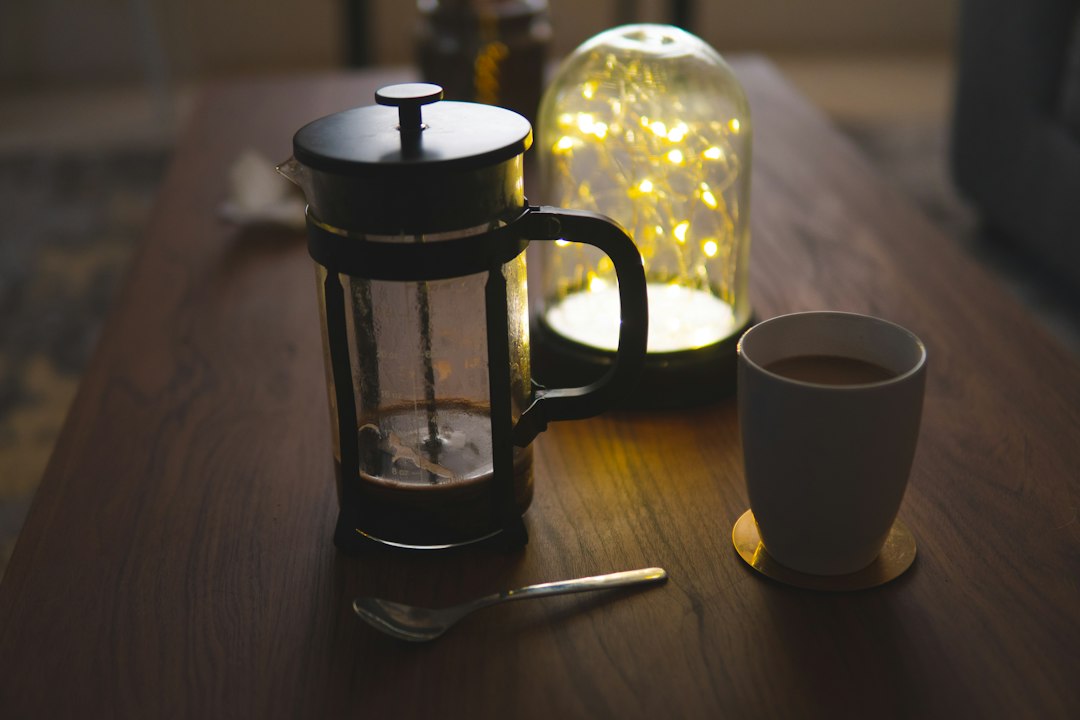
The French press (cafetière), also called a plunger pot, is a full immersion brewer. Coffee grounds and water sit together in the pot the whole time. At the end, a metal mesh separates the grounds from the coffee. Unlike pour-over, nothing runs through paper, so oils and fine particles end up in your cup.
In return, the method is hard to get wrong. You need scales, a kettle and a spoon. Pouring technique plays no part. What matters is the amount of coffee, the grind size and patience.
The basic recipe: amount, grind size, temperature and time
A Swiss roastery recommends 60 to 70 g of coffee per litre of water. That is a ratio of 1:15 to 1:16, or about 30 g to 500 ml. Grind a little coarser than for filter coffee. The water should be around 95°C, and 92 to 94°C for dark roasts. Without a kettle with temperature control, bring it to the boil and let it stand for around 2 minutes.
| Recipe | Coffee : water | Grind size | Water | Time |
|---|---|---|---|---|
| classic (Swiss roastery) | 60 to 70 g per litre, e.g. 30 g to 500 ml | a little coarser than filter | around 95°C | 4 min, then press the plunger |
| stronger (Swiss roastery) | around 7 g per 100 ml | a little coarser than filter | around 95°C | 4 min |
| without the plunger (Swiss roastery) | as classic | a little coarser than filter | around 94°C | steep 4 min, skim, wait 4 min |
| James Hoffmann | 30 g to 500 g | medium-coarse | just boiled | steep 4 min, skim, wait 5 to 8 min |
How strong the coffee turns out depends mainly on the amount. Researchers at the University of California, Davis measured 99 full immersion brews of 1 litre each. With long steeping, around 21 per cent of the coffee mass dissolved in the end, almost regardless of the ratio. Temperatures between 80 and 99°C only changed the speed, not the final value. Grind size also had only a small effect.
For you, this means a few degrees more or less are no drama. If you like your coffee milder, use less coffee rather than simply shortening the time. Conversely, the roastery warns that more coffee with the same amount of water can taste rather sour. How soft your water should be is explained in which water for coffee.
The classic 4-minute method step by step
Most guides work with a brew time of four minutes. That is also how the Swiss roastery describes its standard recipe. The steps suit any pot size, as long as you change coffee and water in the same ratio.
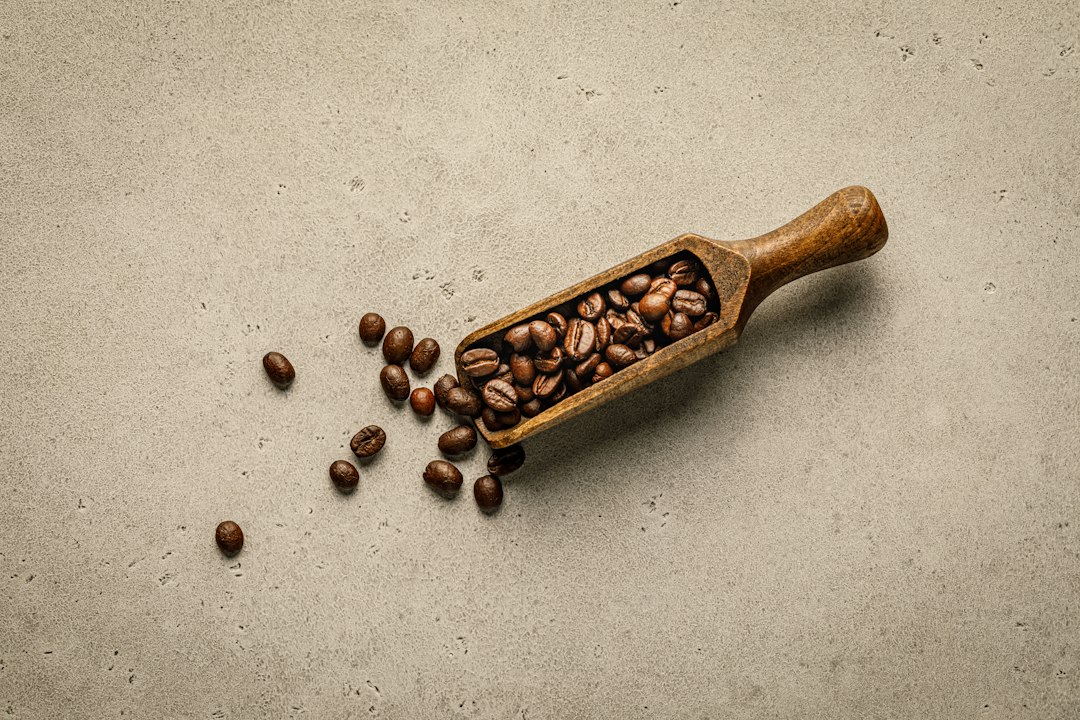
- Weigh: Weigh out 30 g of coffee and grind it a little coarser than for pour-over.
- Prepare the water: Bring fresh water to around 95°C or let it stand briefly after boiling.
- Pour: Put the grounds in the pot, pour in 500 ml of water and stir once.
- Steep: Put the lid with the plunger on without pressing, and wait 4 minutes.
- Remove the crust: Break the crust on top with a spoon and skim off the foam and floating particles.
- Press: Push the plunger down slowly and evenly.
- Pour out: Pour all the coffee straight into cups or into a second jug.
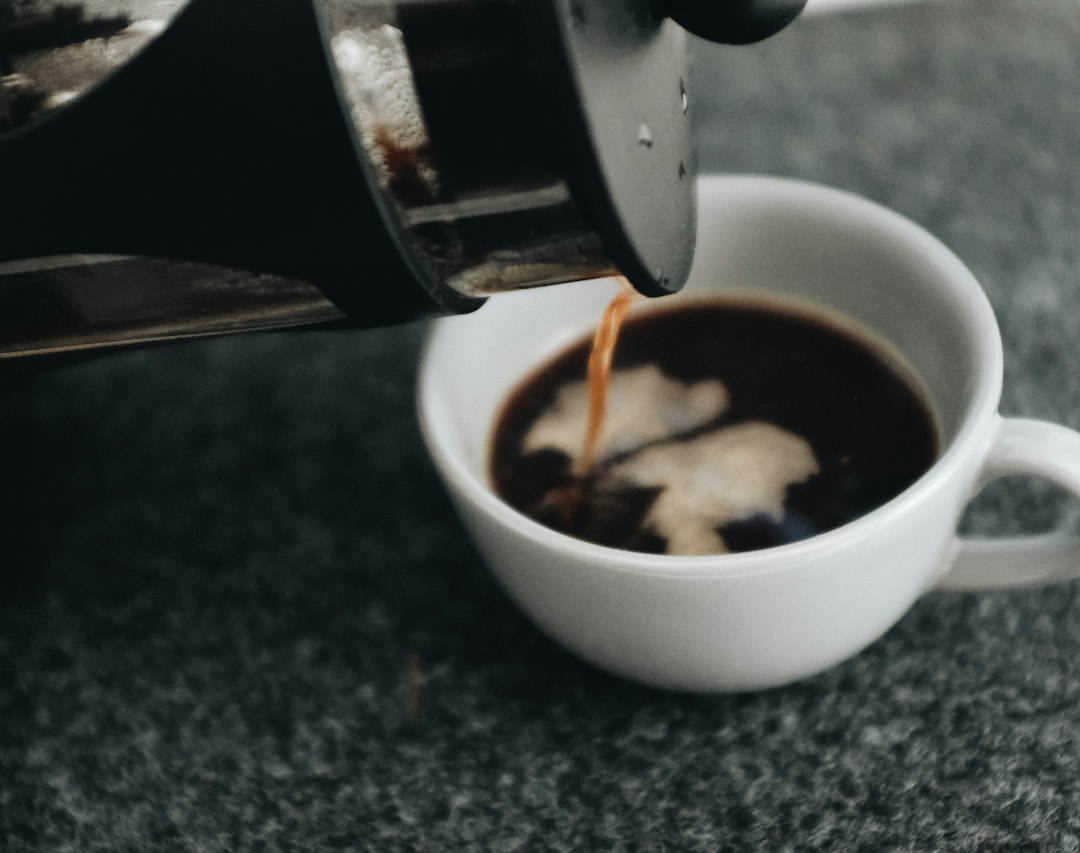
The last step is often forgotten. If the coffee stays on the grounds, extraction carries on, says the roastery. The plunger does not end the contact, it only pushes the grounds down. For one mug, the same recipe applies with 15 g to 250 ml.
The James Hoffmann method: skim and wait
Former World Barista Champion James Hoffmann popularised a method that takes longer and tastes cleaner. He presents it in his video on the ‘Ultimate French Press Technique’, which came out in 2016 at the latest. The steps here are based on two written summaries of this video. We do not have a text by Hoffmann himself.
- Pour: Pour 500 g of just-boiled water over 30 g of medium-coarse coffee, quickly, in around 10 seconds.
- Steep: Wait around 4 minutes without stirring. A crust forms on top.
- Break the crust: Stir the crust with a spoon so that most of the grounds sink.
- Skim: Remove the foam and floating particles with two spoons.
- Wait: Leave it for at least 5 and up to 8 minutes until the grounds have settled.
- Fit the plunger: Lower the mesh only to just below the surface, do not press it down.
- Pour out: Pour slowly. The mesh now only acts as a strainer.
In total this takes around 9 to 10 minutes. According to a summary on a British coffee blog, Hoffmann explains the waiting time with the sediment, which settles when left alone. After 4 minutes, he says, the coffee is too hot to drink anyway. Because the plunger does not push anything through the grounds, you can grind a little finer than usual.
The Swiss roastery knows this principle too. Its version without the plunger draws on cupping, the way professionals taste coffee. There, too, you skim after 4 minutes and wait another 4 minutes. For pour-over, Hoffmann also pours as hot as possible, as our comparison V60, Kalita and Chemex pour-over shows.
Sludge in the cup: how to keep your coffee clean
The sediment comes from very fine particles that slip through the metal mesh. Every grinder produces them alongside the set grind size. A grinder that grinds evenly keeps their share small. What to look out for is explained in electric coffee grinders: flat or conical burrs.
| Problem | Likely cause | What helps |
|---|---|---|
| Coffee thin and watery | too little coffee | more coffee, e.g. around 7 g per 100 ml |
| Coffee bitter and harsh | left on the grounds too long | pour out or decant straight away |
| Coffee sludgy | lots of fines stirred up | skim, wait longer, do not press the plunger all the way |
| Grounds in the last cup | poured out to the bottom | leave a little in the pot |
The roastery advises never pouring out to the bottom and pouring gently. Otherwise you stir the grounds up again. Press the plunger down slowly. Hoffmann does without pressing altogether and lets the grounds settle on their own instead.
How to get a clean French press:
- Weigh coffee and water instead of measuring with spoons.
- After steeping, skim off the foam and floating particles with two spoons.
- Then set a timer for 5 minutes and leave the pot alone.
- Lower the plunger only to below the surface and pour slowly.
- Leave the last sip with the grounds in the pot.
Cafestol and kahweol: what the metal mesh lets through
Coffee beans contain the fatty substances cafestol and kahweol, known as diterpenes. A paper filter holds back most of them, a metal mesh hardly any. Researchers from Uppsala and Gothenburg measured various coffees in 2025. The values for individual brewing methods are based on a small number of samples.
| Brewing method | Cafestol per litre | Kahweol per litre | Cafestol per cup (150 ml) |
|---|---|---|---|
| paper filter, at home | 11.5 mg | 8.2 mg | around 1.7 mg |
| French press | 86.8 mg | 68.7 mg | around 13 mg |
| boiled coffee, unfiltered | 939.2 mg | 677.9 mg | around 141 mg |
We converted the per-cup values from the per-litre values. The researchers consider well-filtered coffee the better choice for the heart and blood vessels. However, their calculations on LDL cholesterol are projections, not study results.
There is a direct trial from Wageningen. In 1996, 46 healthy adults drank 0.9 litres of strong coffee a day for 24 weeks, either from a cafetière or filtered. At the end, LDL cholesterol in the French press group was 0.26 mmol/l higher. One liver value also rose slightly. All changes reversed after the study ended.
The amount in the study was high, five to six strong cups a day. It allows no conclusion about one cup in the morning. If you keep an eye on your blood lipids, you can also pour the finished coffee through a paper filter. For any questions about your own values, your doctor is the right person to ask.
Cleaning and size: the right pot for everyday use
After brewing, the wet grounds go in the compost or food waste bin, not down the drain. According to the roastery, they can block the pipes there. Wash the glass and plunger with warm water and a little washing-up liquid if needed. Once a week, unscrew the mesh and clean the discs one by one, otherwise the coffee oils in them go rancid. Many pots are dishwasher-safe, so check the manufacturer’s instructions.
When it comes to size, look at the litre figure. Manufacturers’ cup counts assume small cups. A US retailer gives the European coffee cup as 4.25 ounces, which is around 125 ml. According to the roastery, the grounds also absorb 2 to 2.5 g of water per gram. So 500 ml of water and 30 g of coffee give you around 425 to 440 ml in the mug (our calculation).
| Pot | Capacity | Suitable for |
|---|---|---|
| 3 cups | 0.35 l | one large mug |
| 8 cups | 1.0 l | according to the roastery up to 800 ml of coffee, so three to four mugs |
| 12 cups | 1.5 l | a larger group |
The sizes come from a widely sold Danish manufacturer. A French press also works for cold coffee, by the way, as how to make cold brew shows.
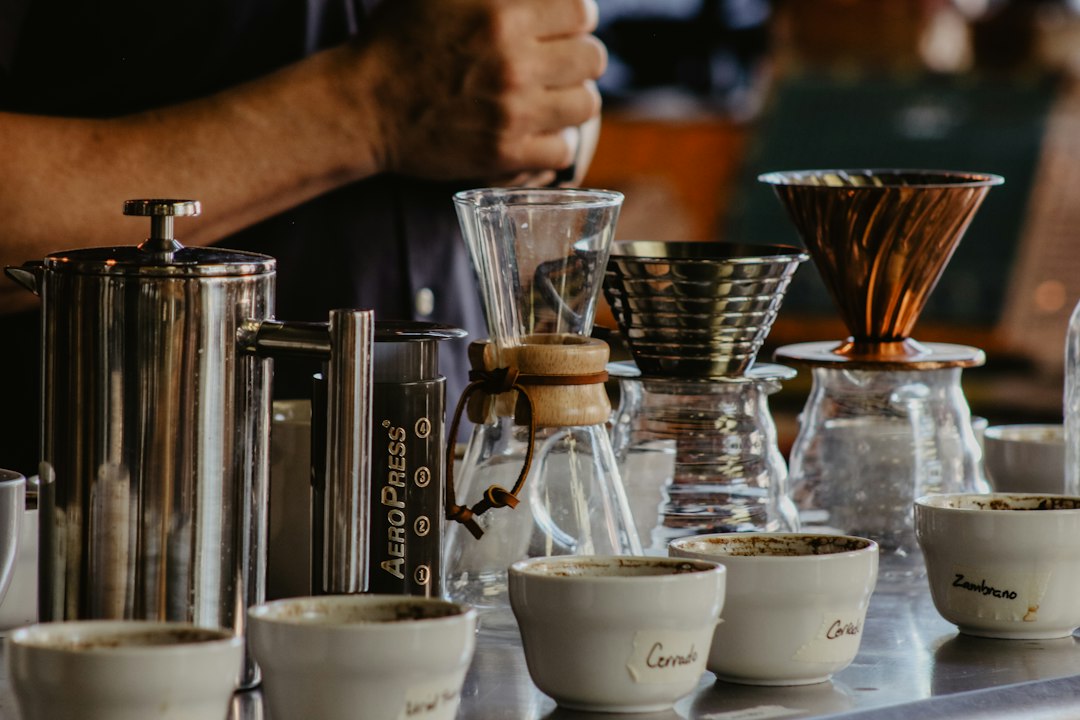
To start with, the basic recipe of 30 g of coffee to 500 ml of water and 4 minutes is enough. If that tastes too cloudy, try Hoffmann’s way with skimming and waiting next time. After that, you only change the amount of coffee.
Last updated: 24 October 2026.
Sources
- Benjamin Hohlmann, Kaffeemacher: French Press Anleitung: Rezepte & Kaffeemenge pro Tasse (in German), 18 June 2026.
- Honest Coffee Guide: James Hoffmann French Press (summary of the video), undated, accessed 24 October 2026.
- Kev, Coffee Blog: Ultimate Cafetière Technique, 16 October 2016, updated 26 July 2025.
- Liang, J.; Chan, K. C.; Ristenpart, W. D., Scientific Reports 11, 6904: An equilibrium desorption model for the strength and extraction yield of full immersion brewed coffee, 25 March 2021.
- Liang, J.; Chan, K. C.; Ristenpart, W. D., Specialty Coffee Association, 25 Magazine: How Strong is the Coffee You’re Cupping?, undated, accessed 24 October 2026.
- Orrje, E.; Fristedt, R.; Rosqvist, F.; Landberg, R.; Iggman, D., Nutrition, Metabolism and Cardiovascular Diseases 35: Cafestol and kahweol concentrations in workplace machine coffee compared with conventional brewing methods, 20 February 2025.
- Urgert, R. et al., BMJ 313, 1362-1366: Comparison of effect of cafetière and filtered coffee on serum concentrations of liver aminotransferases and lipids: six month randomised controlled trial, 30 November 1996.
- Seattle Coffee Gear: Bodum French Press Replacement Glass (sizes and cup definition), undated, accessed 24 October 2026.