Cascara, the dried skin of the coffee cherry, only became an approved food in the EU in February 2022. A cup usually contains just 10 to 30 mg of caffeine.Origins and EU approval, hot and cold brewing, quality markers and prices.
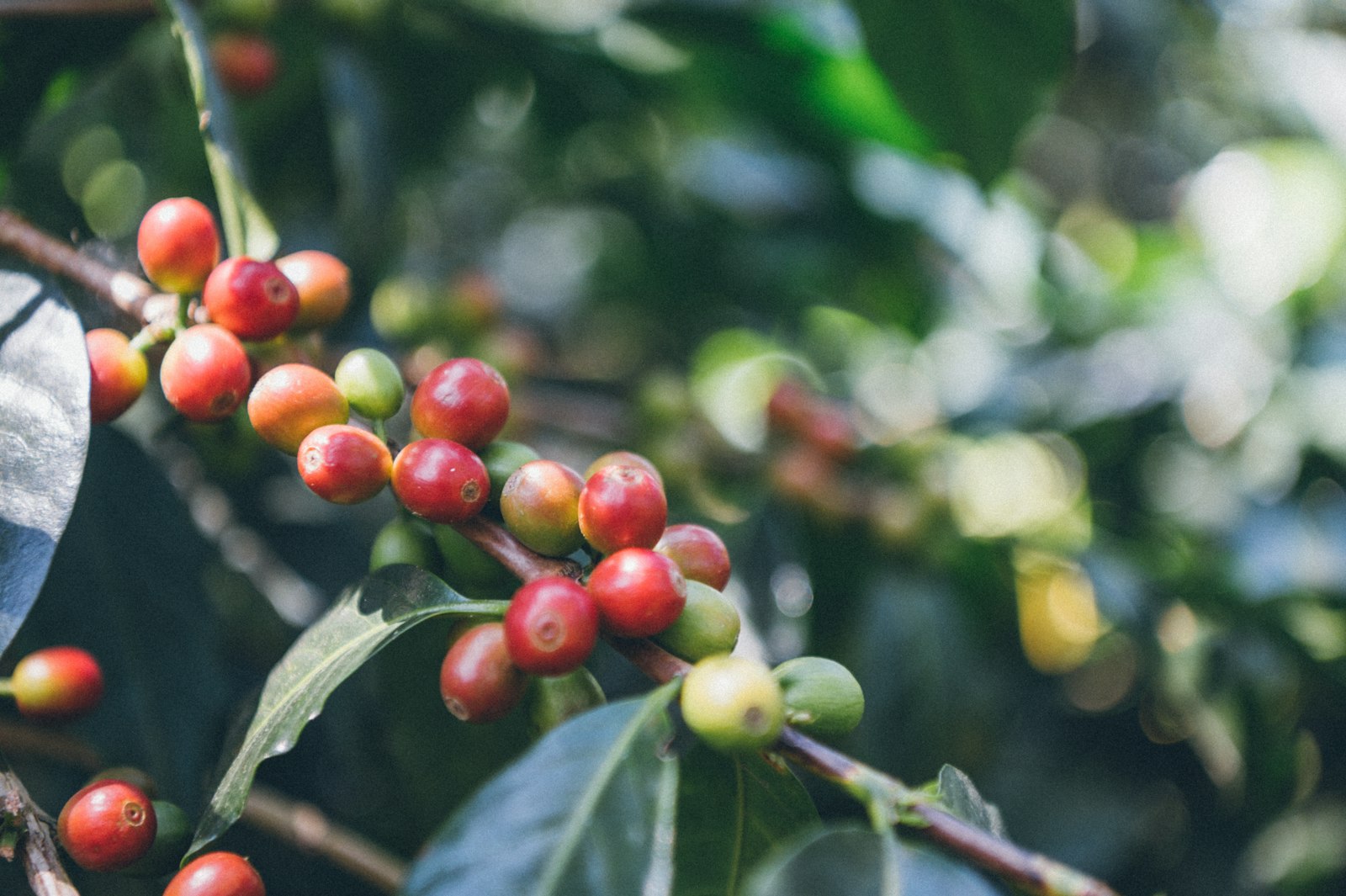
Every coffee cherry holds two beans, wrapped in pulp and skin. Processing produces huge quantities of this husk, and it often ends up on the compost heap. Dried, it becomes cascara, Spanish for husk. Brewed, it tastes more like fruit tea than coffee.
The idea is not new. In Yemen, people have drunk qishr for centuries, an infusion of coffee husks with ginger. In Europe, by contrast, cascara is a young product with a legal history of its own.
What cascara is: from qishr to the specialty café
Cascara consists of the dried pulp and skin of the coffee cherry. With the natural process, the parchment and silverskin are included too; with the washed process, only the pulp and skin. That is why cascara tastes different depending on the method. You can read more about the methods in processing: washed, natural, honey.
In Yemen, the husk infusion is well documented. In 1823 the traveller Robert Finlay described a ‘keshr’ that was offered to guests instead of coffee. Today qishr is often spiced with ginger and sometimes with cinnamon. The EU notification also names Ethiopia, Bolivia and Uganda as countries with a tradition of it.
From around 2005, the Salvadoran coffee farmer Aida Batlle made cascara known as an export product. In January 2017 Starbucks launched a Cascara Latte in the US as a winter drink. It combined espresso, milk and cascara syrup, described with notes of dark brown sugar and maple.
Only allowed since 2022: what the EU approval covers
In Germany, cascara drinks were briefly on sale in 2015 and 2016. They disappeared again because the pulp counted as a novel food and had no approval. That came with Implementing Regulation (EU) 2022/47 of 13 January 2022, in force since 3 February 2022. Nestlé had filed the application as a traditional food from a third country.
The dried pulp of arabica and robusta is permitted, as is its infusion. The label reads something like ‘Cascara (coffee cherry pulp)’. As preparation, the regulation specifies up to 6 g per 100 ml of water above 75°C. The dried pulp is not approved for eating directly.
Drinks with more than 150 mg of caffeine per litre need a warning for children and pregnant or breastfeeding women. The regulation also sets limits, including a maximum of 18 per cent water and less than 5.0 µg of ochratoxin A per kg. Incidentally, the often cited Regulation (EU) 2020/917 concerns tea from coffee leaves, not cascara.
How much caffeine is in a cup?
Cascara contains caffeine, but usually far less per cup than coffee. A lab analysis for the London roastery Square Mile found 111.4 mg per litre in the strongest infusion. Filter coffee there comes to around 400 to 800 mg per litre. More cascara meant more caffeine, while steeping time changed little.
A Polish study from 2025 measured around 5.3 mg per 100 ml in a cascara infusion of 1 g in 50 ml. That is about an eighth of the value for its coffee extract. By our conversion, a 250 ml cup comes to around 13 to 28 mg. For comparison, you’ll find more figures in caffeine in espresso, filter coffee and cold brew.
The range can spike upwards. In the worst case, with full extraction and a high dose, EFSA calculates up to 600 mg per litre. That is a theoretical maximum, not a measured value. The measurements also refer to individual samples and recipes.
Brewing it right: hot, cold and as a latte
Producers recommend quite different recipes. As a rule, more cascara gives more flavour and more caffeine, while longer steeping mainly adds depth. The pulp tastes fruity, of rosehip, cherry, honey or hibiscus, and depending on origin also of nectarine and tamarind.
| Source | Amount | Water | Steeping time |
|---|---|---|---|
| EU regulation (maximum) | up to 6 g per 100 ml | above 75°C | not specified |
| Roaster, Nicaraguan cascara | 10 g per 500 ml | 95°C | 10 minutes |
| Roaster, Panamanian cascara | 7.5 g per 200 ml | 94 to 96°C | around 4 minutes |
| Roaster’s guide (French press) | 3 to 4 g per 100 ml | around 90°C | at least 8 minutes |
| Cold brew | as for hot, steeped cold | cold | at least 12 hours |
A French press (cafetière) works well, because the large pieces of husk need room. You’ll find how to use one in French press: recipe, grind size and brew time. For the cold version, you can steep the cascara overnight in the fridge and finish it with lemon or rosemary.
How to get cascara right:
- Start with 30 to 40 g per litre at 90 to 95°C and a steeping time of 5 to 10 minutes.
- For cold brew, steep it cold for at least 12 hours and add lemon or rosemary.
- Look for the name ‘Cascara (coffee cherry pulp)’ and a clear origin.
- If it smells musty or shows spots, do not use it.
- For a cascara latte, boil the cascara down with water and sugar into a syrup, then mix with espresso and milk.
Quality and safety: why drying matters
The husk is the part of the cherry where mould most easily takes hold. According to an FAO report, the mycotoxin ochratoxin A forms mainly in the fruit husk during sun-drying. The report names coffee husks as the richest source of ochratoxin in green coffee. One husk sample from Thailand contained 319 µg per kg.
That is why fast drying to around 12 per cent moisture and protection from getting wet again matter. Cascara sold in the EU must contain less than 5.0 µg of ochratoxin A per kg. Store your pack dry and airtight, so it stays aromatic and safe.
Buying cascara: origin and prices
Cascara usually comes from specialty roasteries, often as a by-product of a particular farm. In our sample, the products came from Nicaragua, Panama, El Salvador and Peru. German roasters charge around €7 to €10 per 100 g. Rare lots, such as from Geisha trees in El Salvador, cost €21 per 100 g at a French retailer.
The Verbraucherzentrale (Germany’s consumer advice centre) gives an average price of around €84 per kilogram. Organic and Fairtrade products are usually a little more expensive. For coffee farmers, cascara is extra income from a part of the cherry that is otherwise often thrown away.
Our recommendations
Cold brewing · around €26
Hario Mizudashi Cold Brew Coffee Pot 1 l
Pros: The classic among cold brew jugs works just as well for cold-steeped cascara. After steeping, you simply lift the filter out.
Cons: Very fine pieces of cascara can slip through the filter, and glass is fragile.
French press · around €40 to €55
Bodum Chambord French Press 1 l
Pros: The benchmark among plunger pots for decades. You can steep cascara hot in it and separate it cleanly.
Cons: According to customer reviews, the filter sometimes sits tightly in the glass.
Fancy more cold drinks? Our cold brew guide also works for cascara with slight adjustments.
Cascara is a fruity infusion with a coffee history and usually little caffeine. Since 2022 it has been clearly regulated in the EU. When buying, look for origin and good drying, and you’ll get a tea that only the coffee cherry can give you.
All prices are guide prices and may change. We have not tested the products ourselves.
Last updated: 24 October 2026.
Sources
- EUR-Lex: Durchführungsverordnung (EU) 2022/47 (getrocknete Pulpe der Kaffeekirsche) (in German), 13 January 2022.
- LawPlayer (consolidated text): Durchführungsverordnung (EU) 2022/47 (in German), accessed 23 October 2026.
- European Commission: Notification of coffee cherry pulp as traditional food (summary), 2021.
- legislation.gov.uk: Commission Implementing Regulation (EU) 2020/917 (coffee leaves), 1 July 2020.
- EFSA Journal (NDA Panel): Safety of dried coffee husk (cascara) from Coffea arabica L. as a novel food, 25 February 2022.
- Verbraucherzentrale: Cascara: Das sollten Sie über das koffeinhaltige Aufgussgetränk wissen (in German), as of 9 October 2026.
- Square Mile Coffee Roasters: Cascara and caffeine, 30 August 2013.
- Słowik-Borowiec et al., Molecules: A Cascara-Infused Caffeine Drink as a Social Beverage, 2025.
- FAO: Ochratoxin A in Coffee, accessed 23 October 2026.
- Wikipedia: Qishr, accessed 23 October 2026.
- Wikipedia: Coffee cherry tea, accessed 23 October 2026.
- QSR Magazine: Starbucks’ first new beverage of 2017: Cascara Latte, January 2017.
- Kaffeemacher: Cascara – Kaffeekirschentee, 100 g (in German), accessed 23 October 2026.
- Coffee Circle: Cascara Tea, accessed 23 October 2026.
- Terres de Café: Cascara Lechuza 100g – Salvador, accessed 23 October 2026.
- Happy Coffee: Cascara: Kaffeekirschen-Tee (in German), 8 May 2025, updated 22 April 2026.
- Crema: Hario Mizudashi Coffee Pot, price accessed 23 October 2026.
- Crema: Bodum Chambord, price accessed 23 October 2026.
- testsieger.de: Bodum 1928-16 Chambord Kaffeebereiter 1,0 l (price comparison) (in German), prices accessed 31 October 2026.
Image credits
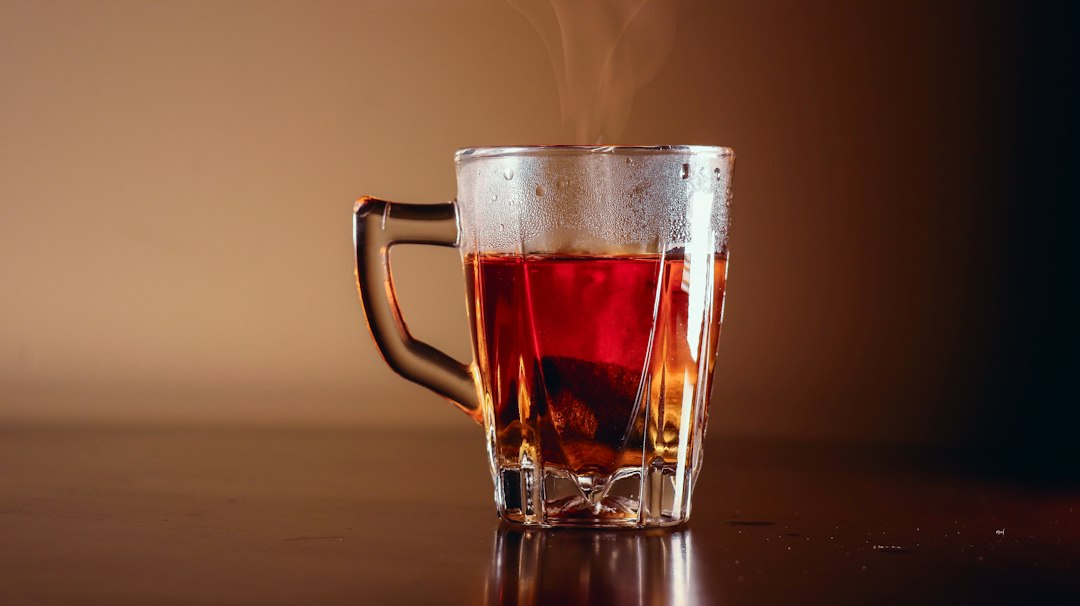
- Hot tea in a tea glass – Photo: Erfan Amiri / Unsplash
Our selection is editorial, there are no paid placements. Links marked * are affiliate links to Amazon Germany (amazon.de): if you buy through them, we receive a small commission at no extra cost to you. We have not tested the products ourselves; pros and cons are based on manufacturer information and retailer descriptions. Prices are guide prices from German shops as of October 2026, and price and availability on Amazon may differ.